
 Boureima Amadou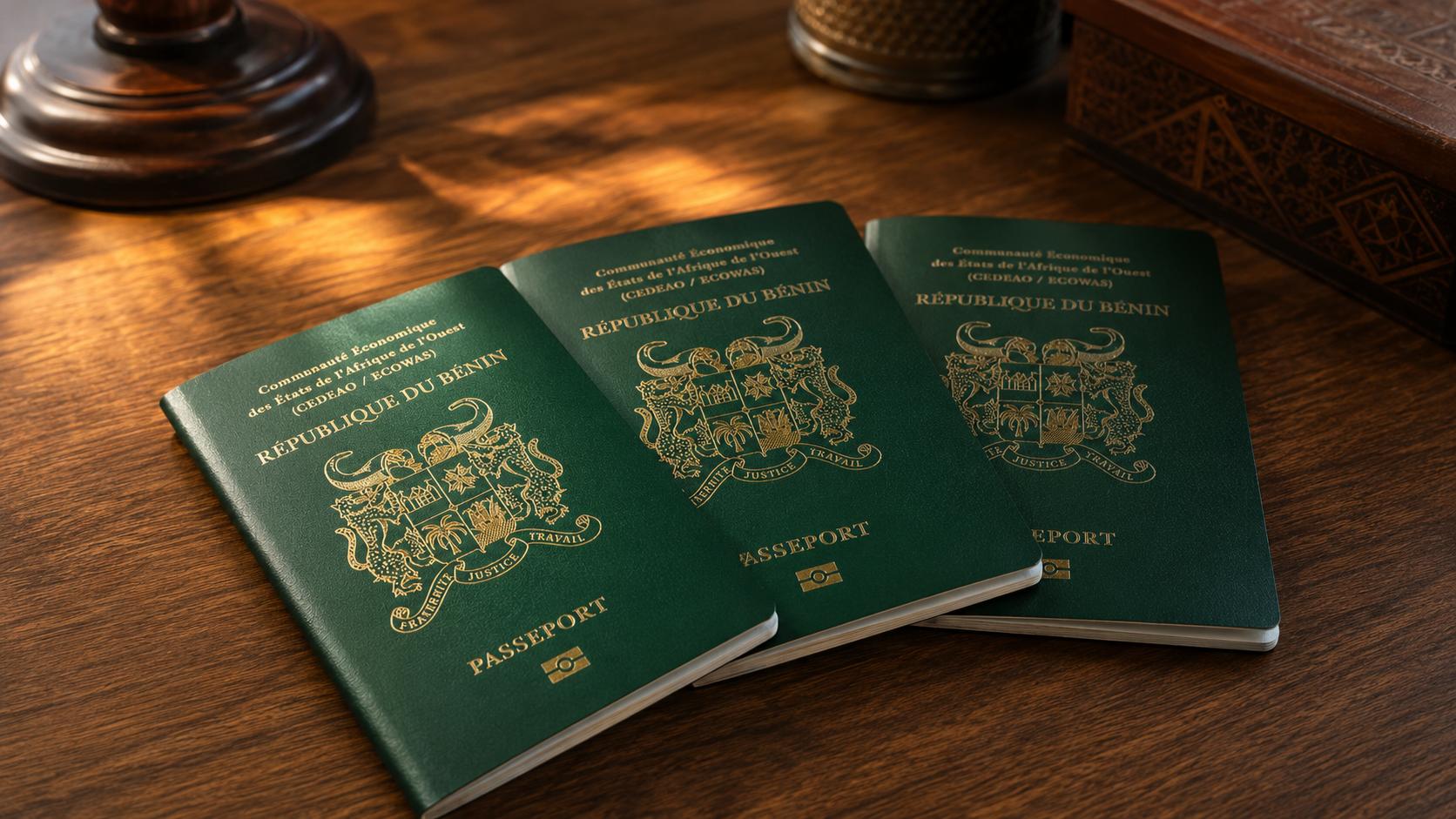
After years of strategic diplomacy and technological innovation, the Bénin passport has risen to become one of the most powerful travel documents in Africa for intracontinental mobility. This achievement underscores the country’s commitment to fostering regional integration and economic cooperation across the continent.
The Bénin passport’s climb in global rankings
While many African passports struggle for recognition beyond their borders, the Bénin passport has carved out a unique position. It now ranks second in Africa for ease of travel within the continent, a distinction earned through deliberate policy shifts and diplomatic foresight.
Two key benchmarks define its success
The passport’s strength is measured across two critical scales:
- Intra-African mobility (2nd place): Under the African Openness and Mobility Index, which evaluates visa-free and visa-on-arrival access across the continent’s 54 nations, the Bénin passport stands out as a model for regional openness. Citizens enjoy streamlined travel conditions, reducing bureaucratic hurdles and promoting seamless cross-border movement.
- Global mobility (Top 70 worldwide, 1st in UEMOA): On the global stage, the Henley Passport Index ranks the Bénin passport among the top 70 worldwide and as the most powerful within the West African Economic and Monetary Union (UEMOA). This dual recognition highlights its dual appeal—both continentally and internationally.
How Bénin’s diplomatic strategy redefined travel freedom
The passport’s ascent is no accident but the result of a carefully crafted diplomatic approach centered on three pillars:
1. Unilateral visa waivers for African travelers
Bénin took a bold step by eliminating visa requirements for all African nationals entering its borders. This move not only simplified travel for visitors but also triggered a wave of reciprocity, prompting neighboring countries to reciprocate by easing entry rules for Béninois citizens. The result? A domino effect of openness that has reshaped regional travel norms.
2. Technological advancement in passport security
The modernization of the passport issuance process has been a game-changer. By integrating biometric security features and digitalizing civil registration procedures, Bénin has elevated the credibility of its travel document. These innovations have earned the trust of foreign governments, reinforcing the passport’s legitimacy on the global stage.
3. Strategic bilateral agreements
Beyond unilateral gestures, Bénin has actively pursued visa exemption agreements with third-party nations. These deals, covering ordinary, service, and diplomatic passports, further enhance the document’s utility, making it a preferred choice for travelers and officials alike.
Economic and geopolitical ripple effects
The passport’s newfound prestige is more than a symbolic victory—it translates into tangible benefits. For businesses, artists, and academics in Bénin, the reduced red tape means:
- Easier access to regional markets: Entrepreneurs can now navigate West African trade routes with minimal obstacles, fostering economic collaboration.
- Accelerated ZLECAF implementation: The African Continental Free Trade Area (ZLECAF) gains momentum as Béninois professionals and goods move freely across borders, aligning with the bloc’s goals.
- A stronger regional hub: Cotonou’s role as a commercial gateway in West Africa is reinforced, attracting investment and positioning the city as a dynamic business center.
In essence, the Bénin passport is not just a travel document—it is a catalyst for continental unity and economic progress.



 Mariama Hamani




