Mariama Hamani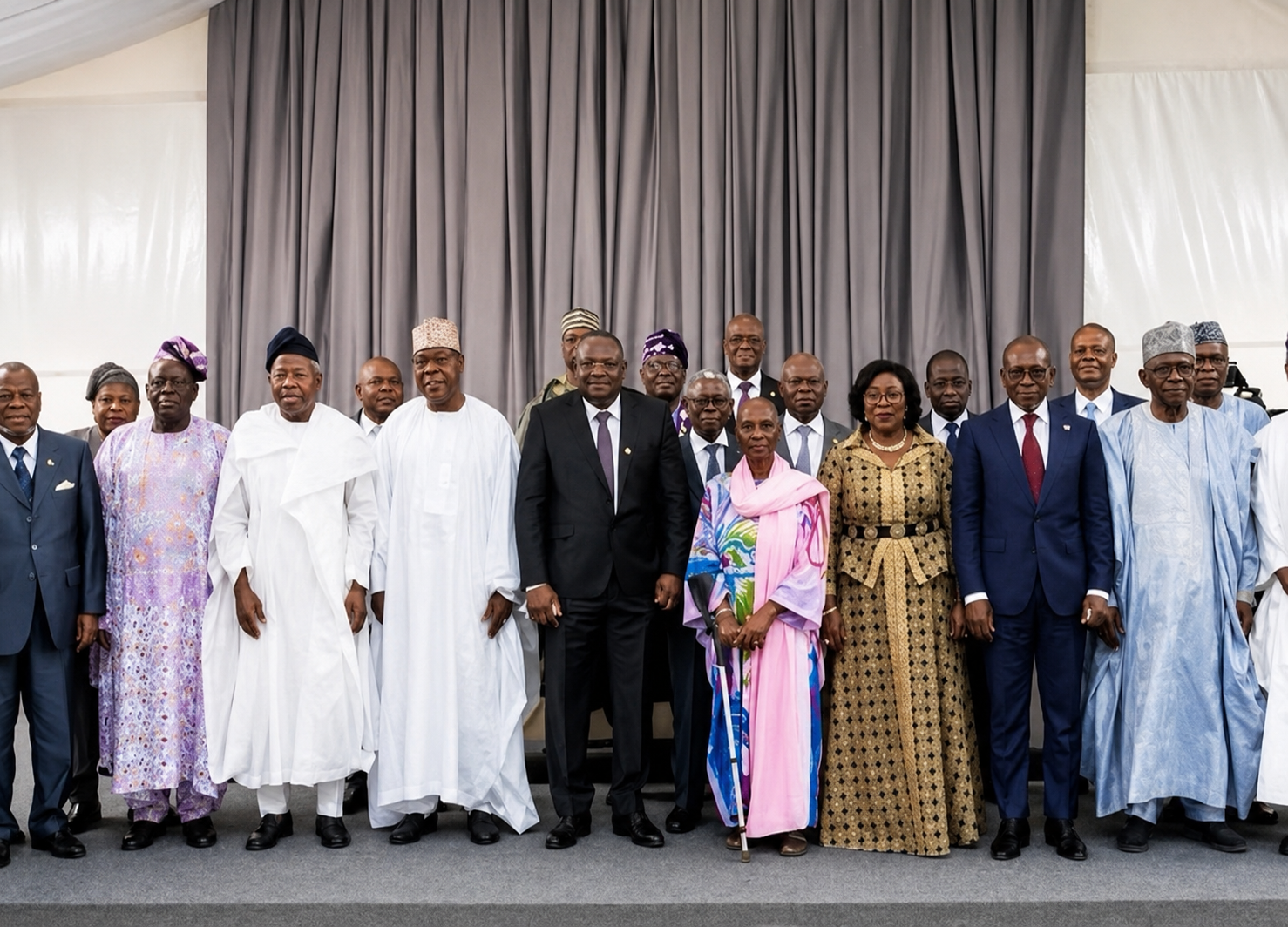
The official inauguration of Benin’s first Senate on July 30, 2026, followed by the election of former president Patrice Talon as its president on August 6, marked a significant milestone in the country’s institutional evolution. Established through the constitutional revision of December 17, 2025, this new upper chamber introduces a fresh dynamic to Benin’s parliamentary framework.
An institution born of constitutional reform, not political ambition
The Senate’s creation stems directly from constitutional amendments, not from the personal agenda of any individual. The revised Constitution clearly outlines its structure, functions, and limitations, ensuring that the institution operates within a well-defined legal framework rather than as an ad hoc construct.
This distinction is crucial. While debates may arise about its purpose, composition, or operational mechanisms, the Senate’s existence is not contingent on Patrice Talon’s leadership. It is a constitutional body designed to serve the nation, irrespective of who presides over it.
Patrice Talon’s role: influence without executive power
Talon’s election as Senate president has inevitably fueled speculation about his potential influence. As a former head of state, his experience and political capital are undeniable. However, his new position does not grant him the authority of the presidency.
The 2026 presidential transition saw Romuald Wadagni assume office on May 24, following elections where he secured over 94% of the vote. This transfer of power confirms that executive authority remains firmly with the presidency, not the Senate.
The Senate president holds no constitutional powers equivalent to those of the president. The head of state continues to direct the executive branch, govern the administration, and implement national policy. The Senate, by contrast, operates within the legislative sphere, with distinct roles and responsibilities.
The Senate’s mandate: regulation, not governance
Critics often conflate the Senate’s regulatory functions with executive authority. While the Constitution empowers the upper chamber to oversee political conduct, ensure institutional stability, and preserve democratic norms, these tasks do not equate to governing the country.
The Senate’s key responsibilities include reviewing constitutional laws, electoral statutes, and party regulations before their enactment. It can also request a second deliberation on certain laws, provided a two-thirds majority agrees. These mechanisms serve as checks and balances, enhancing legislative rigor without usurping executive functions.
A chamber of experience and mediation
Benin’s Senate stands out for its composition, which includes former high-ranking officials and security sector veterans. This design aims to leverage institutional experience in fostering dialogue, preventing crises, and promoting consensus a role that transcends mere legislative duties.
In a democracy, stability often depends on more than majority votes. It requires spaces for negotiation, conflict resolution, and long-term vision. The Senate’s structure reflects this need, positioning it as a potential stabilizer in times of political tension.
Distinguishing political influence from constitutional authority
The debate over the Senate’s legitimacy must separate political influence from institutional power. While Talon’s past presidency and networks may shape perceptions, they do not alter the Senate’s constitutional boundaries.
The critical question is not whether he wields influence clearly, he does but whether that influence can replace the president’s constitutional authority. The answer, as defined by the Constitution, is no. The Senate’s powers are real but circumscribed, designed to complement not dominate the executive and legislative branches.
The true test: performance over speculation
As a new institution, the Senate’s value will be determined by its actions, not assumptions. Will it effectively exercise its oversight role without becoming a rubber-stamp body? Can it engage constructively with the National Assembly and government? Will its members uphold the constitutional duty of political neutrality?
These are the metrics by which Benin’s upper chamber should be judged not by unfounded claims of shadow governance or presidential power grabs.
A system of checks and balances in action
The Senate’s role is one piece of a broader constitutional architecture. The presidency leads the executive, the government implements policy, the National Assembly legislates, and the Constitutional Court ensures adherence to legal norms. Patrice Talon’s Senate presidency does not disrupt this balance; it adds another layer of institutional oversight.
For Benin, the path forward lies in evaluating the Senate’s contributions to legislative quality, political stability, and democratic resilience. The era of speculation should give way to an era of assessment—one where the institution’s performance defines its legacy.


 theafricantribune
 Boureima Amadou