
 Boureima Amadou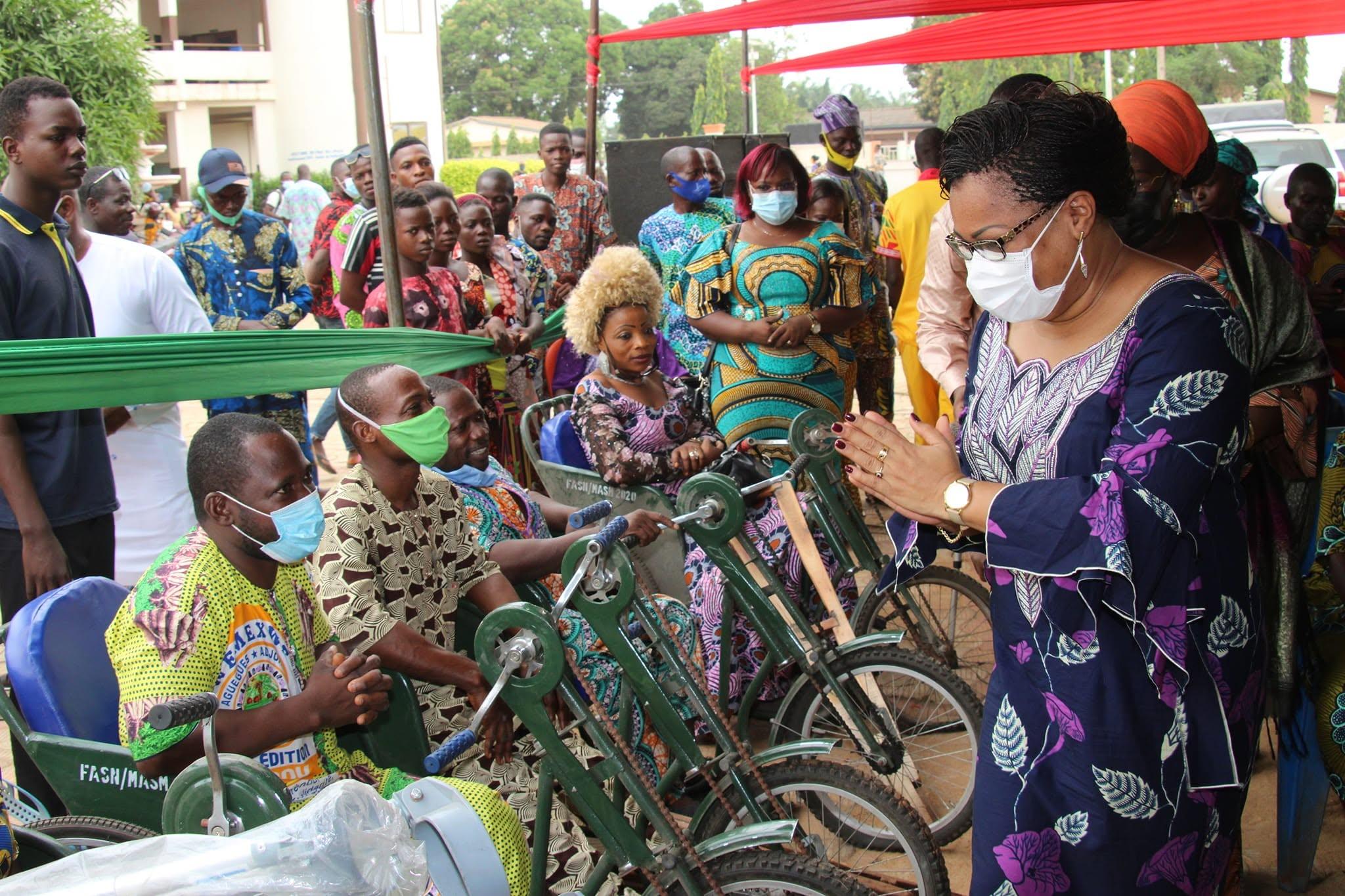
Benin’s social protection drive has taken a tangible step forward with the handover of 1,422 new Chance Equality cards to citizens living with disabilities. Social Affairs and Microfinance Minister Véronique Tognifodé presided over the official ceremony, bringing the total number of cards produced by the National Agency for the Identification of Persons (ANIP) and delivered to the ministry to more than 6,100. For families across the country, the cards translate into immediate, everyday gains: priority medical care, reduced school fees and better access to transport and jobs.
What the cards change for holders and their households
Established under Benin’s law on the protection and promotion of the rights of persons with disabilities, the Chance Equality card is far more than an administrative ID. It functions as a legal and social tool designed to unlock preferential treatment across essential services:
- Healthcare: preferential pricing and free access to certain specific treatments or orthopaedic devices in public health facilities.
- Education and training: exemption or reduction of tuition fees in public institutions, plus priority access to scholarships and vocational training.
- Transport and employment: easier access to public transport and incentives for socio-professional integration in both the public and private sectors.
During the ceremony, Minister Tognifodé stressed that the initiative reflects the government’s vision of turning vulnerable citizens into genuine “privileged members of the Republic,” breaking down the barriers of stigma and economic exclusion that have long held them back.
Building trust through rigorous data and nationwide reach
The issuance process relies on strict traceability managed jointly by ANIP and the network of One-Stop Social Protection Centres (GUPS) operating in the communes. Every applicant undergoes a medical assessment carried out by state-approved doctors, who formally determine the disability rate and its nature before a card is produced. This verification chain is meant to ensure that only rightful beneficiaries receive the document.
Beneficiaries urge families to claim their rights
Speaking for the recipients, the Federation of Associations of Persons with Disabilities of Benin (FAPHB) welcomed the programme’s continuity while urging families and eligible individuals to start their applications at the GUPS in order to assert their rights. ANIP and the Ministry of Social Affairs are continuing distribution across the country’s 12 departments, aiming to reach the thousands of files still being processed.
For the economy and local communities, the expanding card system promises to reduce out-of-pocket costs for some of Benin’s most vulnerable households, while opening doors to education and work that were previously difficult to access. The next challenge lies in turning these legal entitlements into consistent, on-the-ground reality in every commune.



 Mariama Hamani




