Boureima Amadou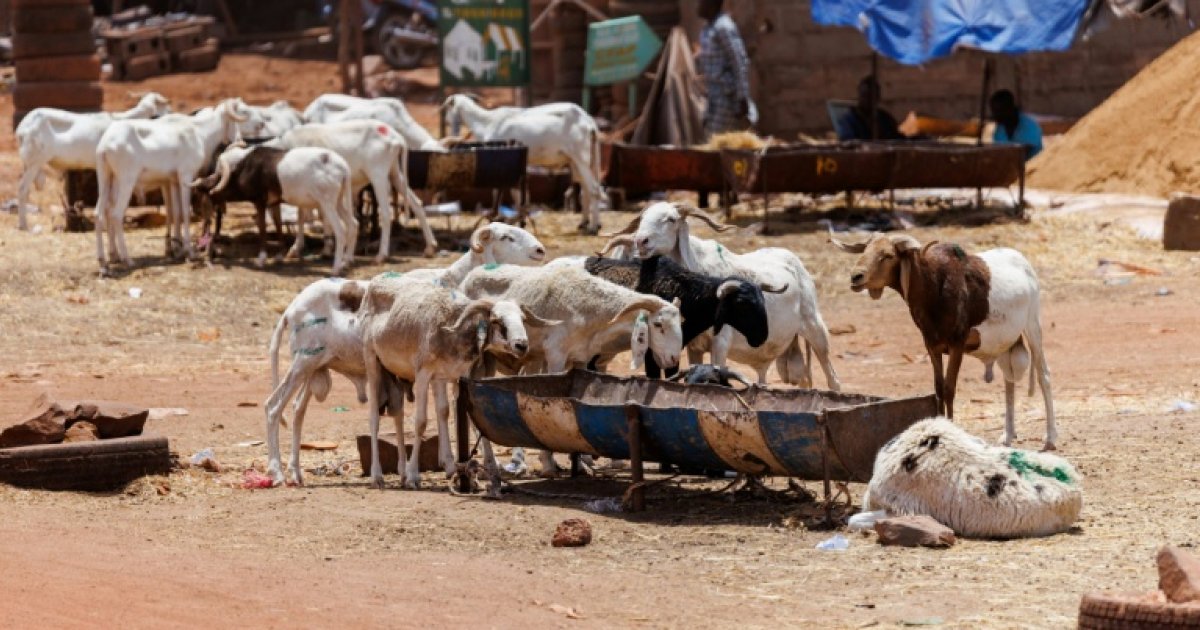
“we will stay in Bamako”: celebrating eid al-adha under jihadist blockade in Mali
Alpha Amadou Kané has lived in Bamako for three decades, but this year, he won’t be making the trip to his hometown of Mopti for Eid al-Adha. The 40-year-old trader’s decision isn’t about choice—it’s about survival. Since late April, Al-Qaeda-affiliated jihadists have tightened their grip on Mali’s roads, turning them into death traps for commercial traffic.
The blockade has triggered a chain reaction of hardship across the country. Burned-out buses line the roadsides, their charred remains a stark warning to anyone daring to travel. Transport companies have suspended routes to Bamako, and families who once relied on these connections to reunite for the holiday now face a grim reality: staying apart.
roads turned battlefields: how jihadists crushed holiday travel
Eid al-Adha is more than a religious observance in Mali—it’s a social anchor, a time when families scattered by work or migration finally come together. But this year, the joyous reunions have been replaced by empty bus stations and silent markets. The roads, once bustling with travelers carrying gifts and livestock, now stand abandoned.
“In normal times, we could transport over 50,000 people from Bamako to the interior in a single week for the holiday,” says a senior executive at a major transport company. “This year, we’re not planning a single trip.”
The economic toll is devastating. Fuel shortages compound the crisis, leaving transport agencies struggling to keep vehicles running. “We don’t just lack diesel—we’ve lost entire buses to the recent attacks. It’s a financial disaster,” admits a local travel agency owner who requested anonymity.
a tradition broken: the end of three decades of family pilgrimage
For Wara Bagayoko, Eid al-Adha has always meant a journey back to Ségou, his ancestral village. But this year, the 30-year-old tradition is shattered. “This will be the first time in 30 years that I won’t celebrate in my village. The roads are too dangerous,” he laments. Even private vehicles aren’t safe—jihadists target them indiscriminately.
While large transport companies have all but vanished from the roads, a handful of minibuses still creep into Bamako, either by back roads or under military escort. But the risks remain high, and the rewards—few and far between.
the livestock crisis: when sheep become a luxury
The blockade hasn’t just stranded people—it’s strangled the livestock trade, the lifeblood of Eid al-Adha. Bamako, the country’s largest market, is facing a severe shortage of sacrificial animals. Traders from pastoral regions struggle to bring their herds to the capital, where demand skyrockets during the holiday.
The cost of transporting a single sheep to Bamako has skyrocketed. “Normally, it costs between 2,500 and 2,750 CFA francs (€4). This year, it’s between 15,000 and 18,000 CFA francs (€22–27),” explains Alassane Maïga, a transporter. The surge in prices has turned sheep into a luxury item in a country where the minimum wage is just 40,000 CFA francs (€60).
“Many truckloads of sheep have been burned by jihadists,” says Hama Ba, a vendor in Bamako. “Before, I had over 1,000 heads in stock. Now, I have none.” Prices reflect the scarcity: sheep that once sold for 75,000 CFA francs (€114) now fetch 300,000 CFA francs (€457). “We used to have plenty of options,” sighs Iyi, a shopper searching for a suitable ram within her budget. “Now, sheep are nowhere to be found in Bamako.”
power cuts and empty promises: the unraveling of basic services
The jihadist blockade has also crippled Mali’s energy sector. Bamako is drowning in blackouts, and water shortages add to the misery. Tailors, who usually prepare the Selifini (festive attire) for the holiday, are struggling to meet demand. “We tried to get a small solar panel, but it’s no substitute for electricity,” says Alou Diallo, a local tailor.
The crisis extends to households. “How will we keep the meat fresh without electricity? Buying a sheep at this price only to lose the meat in 24 hours is a nightmare,” worries a mother from the Sirakoro district.
In a rare positive turn, authorities have announced the arrival of hundreds of fuel tankers in Bamako to ease shortages. But the relief is temporary. The underlying issues—security and infrastructure—remain unresolved, leaving Malians to face Eid al-Adha with heavy hearts and empty wallets.
For those like Alpha Amadou Kané, the message is clear: “We will stay in Bamako.” The holiday will be celebrated, but not as it once was. The roads that once connected families are now battle lines, and the traditions that defined generations are fading under the weight of fear.