Mariama Hamani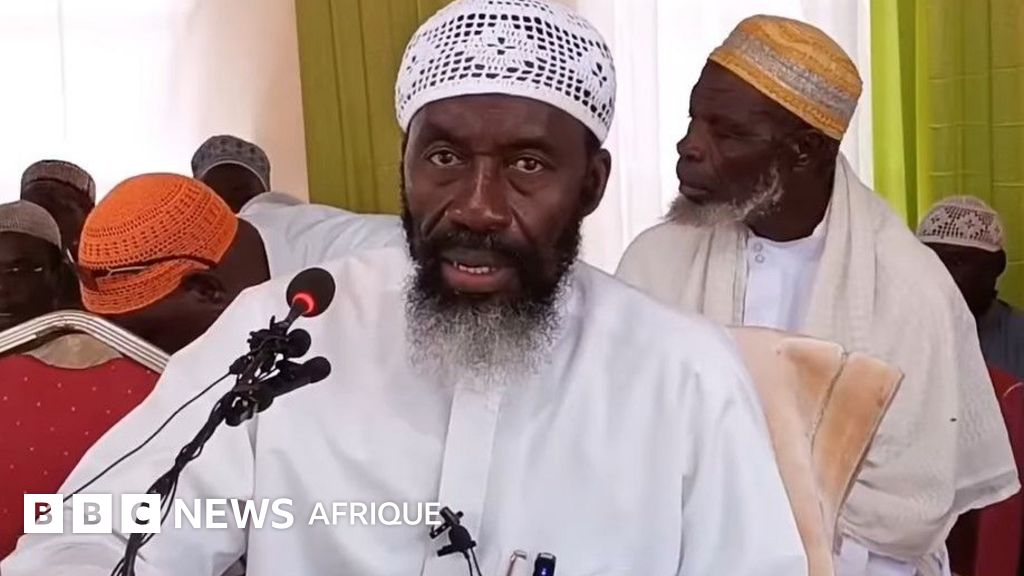
The capital of Burkina Faso is witnessing significant unrest following the high-profile arrest of Mohamad Ishaq Kindo, a prominent Sunni imam and influential religious figure. Authorities detained the spiritual leader on Tuesday, May 26, in Ouagadougou under circumstances that remain officially undisclosed.
The arrest occurred just two days after Kindo publicly criticized a new religious freedoms bill adopted on March 19. The legislation seeks to regulate religious practices across the country, a move the imam argued could infringe upon fundamental liberties.
Controversial arrest triggers community response
According to statements from the Federation of Islamic Associations of Burkina Faso (FAIB), Kindo was taken into custody in the afternoon by security forces, including masked police and military personnel. Eyewitnesses described the operation as violent, noting that attempts by worshippers to intervene led to altercations and injuries among the faithful.
The FAIB immediately condemned the arrest, demanding transparency from authorities regarding the charges and the imam’s current whereabouts. In a public statement, the organization vowed to pursue all legal avenues to secure his release and obtain clear information about his detention.
Protests erupt in Ouagadougou
Within hours of the arrest, hundreds of Muslims gathered in Ouagadougou to protest Kindo’s detention. Demonstrators chanted slogans calling for his immediate release and condemned the government’s actions as an overreach of authority. Authorities responded by dispersing the crowd with tear gas, further escalating tensions in the community.
The FAIB urged calm, calling on followers to exercise restraint during this delicate period. Meanwhile, the imam’s teachings, which had circulated widely on social media before his arrest, continued to fuel public discourse about the limits of religious expression in Burkina Faso.
No official statements on religious freedom law
Despite growing concerns, government officials have remained silent on the circumstances surrounding Kindo’s detention. The arrest coincides with the Eid al-Adha celebrations, during which Burkina Faso’s president addressed the nation online, emphasizing national security and warning against any threats to stability.
However, no mention was made of the detained imam or the controversial religious freedoms bill that sparked the controversy. The legislation, passed in March, aims to curb religious extremism online and prevent hate speech while maintaining the country’s secular governance.
Key provisions of the religious freedoms bill
The new law prohibits the construction of religious buildings within public institutions, with exceptions for healthcare facilities, prisons, and military barracks. Authorities clarified that public prayer remains permitted, provided it respects the beliefs of others. The government justified the measure as necessary to combat radicalization and violent extremism, which have plagued the region for over a decade.
Since the military takeover led by Captain Ibrahim Traoré nearly four years ago, Burkina Faso has seen a tightening of restrictions on dissent. Critics argue that the arrest of Kindo reflects a broader pattern of suppressing opposing voices under the guise of national security.


 Boureima Amadou