Mariama Hamani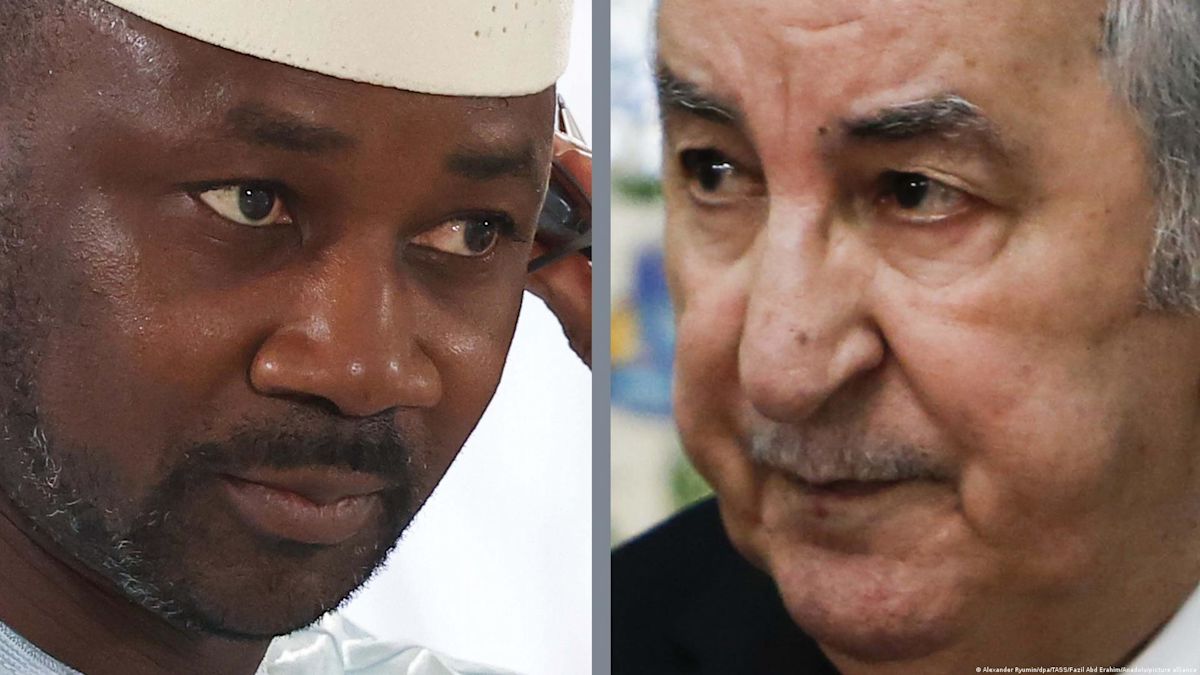
The diplomatic landscape between Algeria and Mali has taken a notable turn toward reconciliation following months of strained relations. A critical juncture was reached in April 2025 when Algeria intercepted a Malian drone, alleging a violation of its airspace—a claim promptly denied by Bamako. In response, Mali shut its airspace to its northern neighbor, a move that underscored the fragility of their bilateral ties despite a shared border stretching over 1,300 kilometers.
Earlier this month, both nations signaled a thaw in tensions by agreeing to restore full diplomatic relations. This decision included the reinstatement of ambassadors and the reopening of their respective airspaces, marking a deliberate step away from the confrontational stance of previous months.
Amid these developments, Algerian Prime Minister Sifi Ghrieb extended an invitation to his Malian counterpart for an official visit, following a constructive phone call between the two leaders. The move reflects a broader effort to stabilize regional dynamics amid escalating security challenges.
Regional security drives the rapprochement
The urgency to mend fences stems from a shared concern over the escalating threat posed by armed groups across the Sahel. Mali, alongside its neighbors Niger and Burkina Faso, continues to grapple with the destabilizing influence of terrorist factions, prompting urgent calls for coordinated regional action.
For Algeria, the stakes are high. While it remains geographically removed from the immediate turmoil gripping the Gulf of Guinea, the broader instability in the Sahel poses indirect risks to its own security landscape. By re-engaging with Bamako, Algiers aims to assert its diplomatic influence and prevent further deterioration of the regional security architecture—a role it sees as vital to long-term stability.
Understanding the benefits for both nations
According to Mohamed Amara, a sociologist closely monitoring the situation, the rapprochement serves multiple strategic purposes. For Algeria, it reinforces its leadership in the region and strengthens its partnership with Russia, a key ally for both countries. The collaboration with Moscow is particularly significant, as it provides additional leverage in addressing security challenges.
For Mali, the primary advantage lies in securing its western border with Algeria. A porous frontier risks becoming a conduit for armed groups, exacerbating internal instability. Restoring dialogue with Algiers also opens avenues for political negotiations, particularly with groups like the National Liberation Front of Azawad, to restore domestic stability.
Could this shift geopolitical dynamics in the Sahel?
The restructuring of regional alliances has remained relatively stagnant since 2020. However, this thaw between Algiers and Bamako introduces a new variable into the equation. By reintegrating Algeria into the regional dialogue and leveraging Russia’s strategic position, the two nations aim to recalibrate geopolitical balances. While the immediate impact remains to be seen, the move signals a potential recalibration of power dynamics in the Sahel.
The evolving relationship between Algeria and Mali reflects a broader trend of pragmatic diplomacy in the face of shared threats. As both nations navigate the complexities of regional security, their ability to rebuild trust will be critical in shaping the future stability of the Sahel.

 Boureima Amadou