Mariama Hamani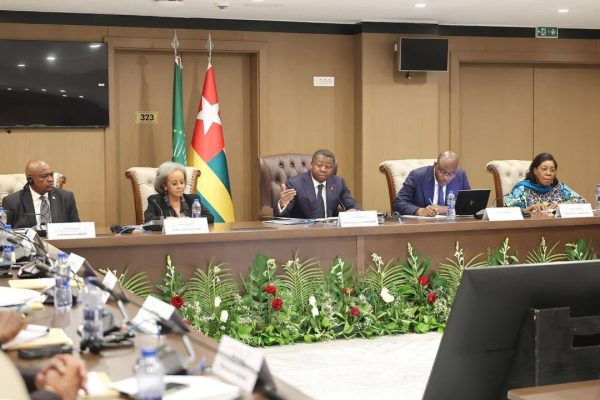
Lomé hosted a high-level gathering on June 8, 2026, to advance Africa-led mediation efforts addressing the escalating crisis in Eastern Democratic Republic of the Congo (DRC) and the broader Great Lakes region. Chaired by Faure Gnassingbé, the African Union’s designated mediator, the session focused on streamlining fragmented peace initiatives into a unified strategy.
Key stakeholders included African Union facilitators alongside representatives from the United Nations, the East African Community (EAC), the Economic Community of Central African States (ECCAS), the Southern African Development Community (SADC), the International Conference on the Great Lakes Region (ICGLR), and the International Committee of the Red Cross (ICRC). Their convergence underscores the intricate web of regional frameworks, institutional mandates, and parallel diplomatic endeavors shaping the conflict’s resolution.
A mediation framework in the making
This mid-year session builds on discussions held in Lomé in January 2026, where participants first emphasized the need to consolidate peace mediation structures. Since then, progress has been noted in organizing the mediation architecture, though Gnassingbé stressed that the priority now is to enhance clarity, coherence, and effectiveness on the ground.
The challenge remains: overlapping efforts without sufficient coordination often dilute diplomatic impact. The Lomé meeting aimed to address this by prioritizing a more structured approach to peacebuilding in the DRC’s volatile eastern provinces, where civilian populations continue to bear the brunt of violence.
Championing African-led solutions
Gnassingbé reaffirmed his commitment to an inclusive dialogue-driven process, positioning African mechanisms as the backbone of mediation while maintaining engagement with international partners. This strategy seeks to eliminate duplication and bolster the credibility of regional efforts.
Participants praised the mediator’s leadership, highlighting how it fosters trust and alignment among actors. For them, success hinges on transparent structures, clearly defined roles, and rigorous follow-through on commitments.
Concrete steps for the next six months
The Lomé deliberations yielded tangible outcomes, including:
- Strengthened coordination between the Mediator’s Office, facilitator panels, the African Union Commission, and the independent joint secretariat;
- Enhanced African contribution to international processes, such as those in Washington and Doha, to ensure regional ownership and smoother implementation;
- An urgent call for intensified cooperation among states and organizations, adhering to the Lomé framework adopted in January 2026.
A 15-day deadline has been set to finalize an operational action plan, translating these resolutions into actionable measures.
Lomé emerges as a diplomatic hub
The Togo capital’s role as a diplomatic nexus for Congolese peace talks is becoming increasingly prominent. While the city’s growing influence is evident, the true test lies in whether this coordination will yield tangible results. In protracted conflicts, mediation’s value lies not in rhetoric but in sustained engagement and incremental progress toward shared objectives.

 Boureima Amadou