Mariama Hamani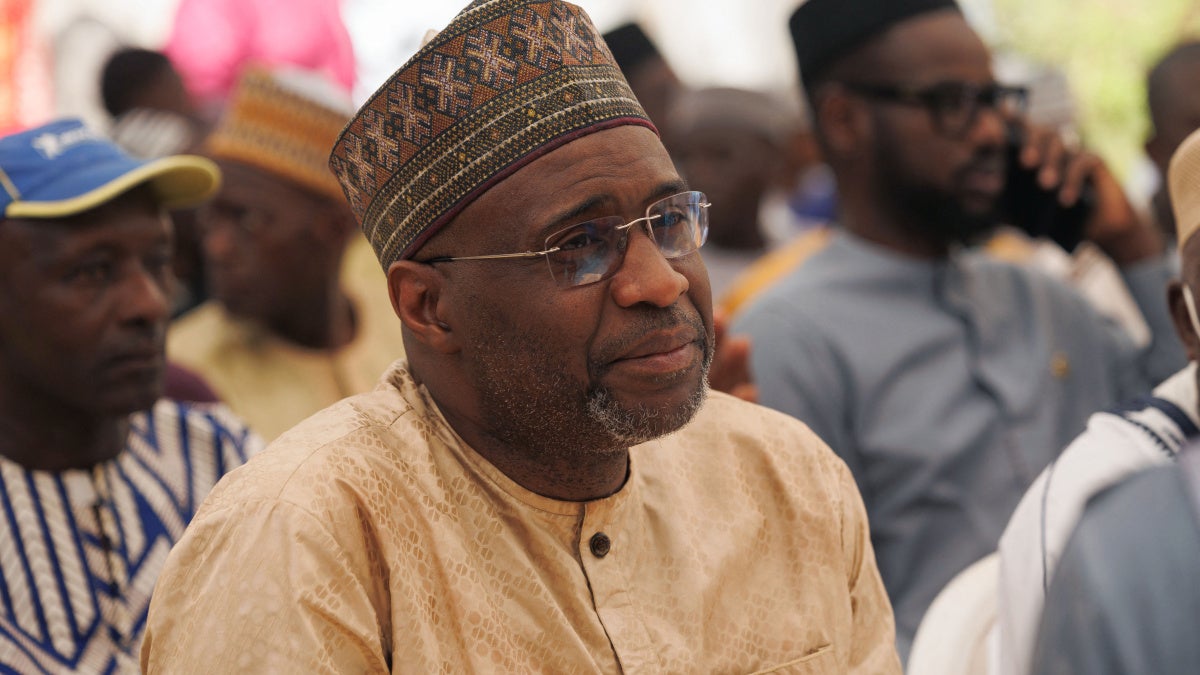
On Tuesday, former Prime Minister Moussa Mara stood composedly in a Bamako courtroom, the capital of Mali, as judges denied his legal team’s request for provisional release. Prosecutors instead called for a two-year prison sentence, a move emblematic of the military junta’s escalating suppression of political opposition and dissent.
Security forces apprehended Moussa Mara, who served as prime minister for eight months from 2014 to 2015, on August 1st. His arrest followed a social media post on X where he voiced solidarity with Malian political prisoners and pledged to seek justice on their behalf.
Authorities have charged Moussa Mara with offenses including undermining state credit, opposing legitimate authority, inciting public disorder, and publishing and disseminating false news. His trial commenced on September 29th before a cybercrime tribunal, with a verdict anticipated on October 27th. Significant concerns persist regarding the fairness and impartiality of these proceedings.
The accusations leveled against Mara appear, at face value, to infringe upon the fundamental right to freedom of expression. “These charges bear no relation to the message Mara shared on X,” stated a member of his defense team. “This is a trial targeting the very right to free speech,” added barrister Mounkaïla Yayé, another attorney for Moussa Mara, warning that “this could establish a perilous precedent.”
Since seizing power in a 2021 coup, the military junta, led by General Assimi Goïta, has systematically stifled political opposition and curtailed civic and media freedoms across Mali. This has involved banning all political parties and engaging in intimidation, imprisonment, or forced disappearances of journalists and human rights activists. General Goïta has solidified his grip on power without holding elections, thereby postponing the promised transition back to democratic civilian rule.
Furthermore, the junta has disregarded calls for accountability for abuses, failing to uphold its international legal obligations to investigate severe human rights violations perpetrated by security forces and bring those responsible to justice. In January, Mali, alongside Burkina Faso and Niger, formally withdrew from the Economic Community of West African States (ECOWAS), effectively denying their citizens the avenue to seek redress for human rights breaches before the ECOWAS Court of Justice. In September, these three nations also declared their intent to withdraw from the International Criminal Court (ICC) treaty, a move that will further jeopardize victims’ access to justice for mass atrocities.
Moussa Mara’s arrest starkly illustrates that even expressing empathy with those facing repression is now prohibited in Mali. It further underscores the junta’s profound intolerance of any form of dissent. Malian authorities must immediately drop all charges against Moussa Mara and ensure his release, along with all other arbitrarily detained prisoners, while upholding the fundamental right to freedom of expression.

 Boureima Amadou