Boureima Amadou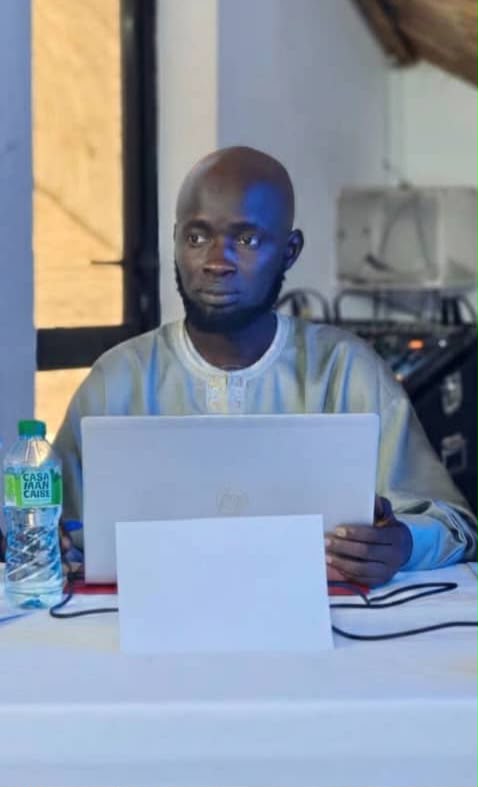
Listen now
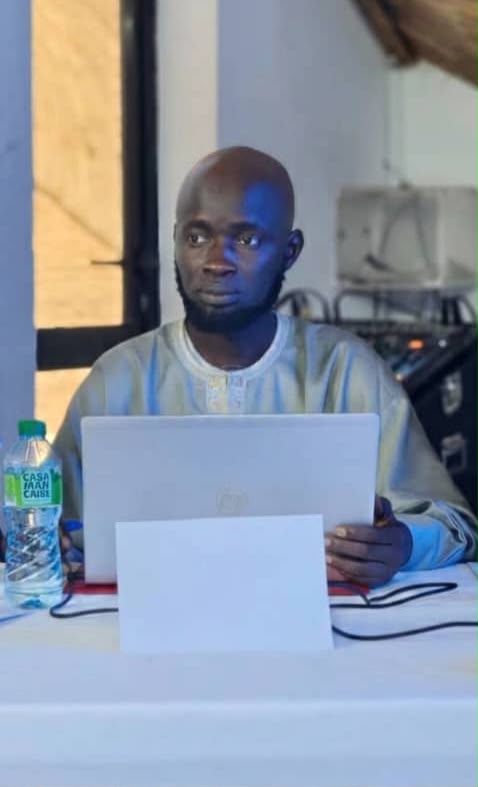
My commitment to PASTEF was never driven by the pursuit of a position, nor by the allure of privileges or accolades. I joined with a profound conviction: to contribute to the emergence of a more just, transparent, and rule-of-law-abiding Senegal.
I intimately experienced the years of struggle, clandestine meetings, intimidation, and profound sacrifices. I witnessed men and women forsake their comfort, and sometimes their safety, all to uphold an ideal that transcended us all.
When our vision finally ascended to power, I genuinely believed the most arduous challenges were behind us. I envisioned a period of humble governance, respectful of institutions, and exclusively dedicated to serving the Senegalese people.
However, gradually, I watched my foundational certainties crumble.
In my observation, internal discourse became increasingly constrained. Dissent grew suspicious. The critical spirit, so vital to any democratic organization, seemed less and less tolerated. Many chose silence. Others departed quietly, some out of weariness, some from deep disappointment.
It was at this juncture that I realized the primary threat no longer originated solely from our political adversaries. It could also stem from our own internal dynamics.
Subsequently, I discerned an increasingly stark divergence between two approaches to exercising power. On one side, there was the President of the Republic, fulfilling the responsibilities vested in him by the Constitution. On the other, a political leadership whose influence, to my mind, appeared to exceed the boundaries of a mere party head.
From my perspective, this dualism was unsustainable without generating significant tension within Senegalese politics.
Senegal did not elect a singular savior figure. It chose republican institutions. In a Republic, no individual, regardless of their popularity, should, in my estimation, supersede the fundamental rules that define the State. This is crucial for sound African governance.
While public debates fixate on personalities, the daily concerns of Senegalese citizens persist: the rising cost of living, youth unemployment, education, healthcare, agriculture, investment, and wealth creation. Public action should unequivocally focus on these critical issues affecting African current affairs.
My engagement has never been an oath of allegiance to a man. It has always been a commitment to unwavering principles.
Individuals pass.
The Republic endures.
Institutions remain.
And when loyalty to a personality begins to overshadow loyalty to the Republic, it becomes incumbent upon each individual to conscientiously reflect.
I pen these lines not out of resentment, but with profound gravity. I refuse to abandon the values that initially compelled my commitment to our nation.
I will continue to serve Senegal with the same unwavering standard: to speak what I believe is just, to defend our institutions, and to always place the national interest above any partisan consideration.
History will judge individuals.
Conscience, however, renders judgment every single day.
Authored by Lababa Faye
Former PASTEF Executive
I intimately experienced the years of struggle, clandestine meetings, intimidation, and profound sacrifices. I witnessed men and women forsake their comfort, and sometimes their safety, all to uphold an ideal that transcended us all.
When our vision finally ascended to power, I genuinely believed the most arduous challenges were behind us. I envisioned a period of humble governance, respectful of institutions, and exclusively dedicated to serving the Senegalese people.
However, gradually, I watched my foundational certainties crumble.
In my observation, internal discourse became increasingly constrained. Dissent grew suspicious. The critical spirit, so vital to any democratic organization, seemed less and less tolerated. Many chose silence. Others departed quietly, some out of weariness, some from deep disappointment.
It was at this juncture that I realized the primary threat no longer originated solely from our political adversaries. It could also stem from our own internal dynamics.
Subsequently, I discerned an increasingly stark divergence between two approaches to exercising power. On one side, there was the President of the Republic, fulfilling the responsibilities vested in him by the Constitution. On the other, a political leadership whose influence, to my mind, appeared to exceed the boundaries of a mere party head.
From my perspective, this dualism was unsustainable without generating significant tension within Senegalese politics.
Senegal did not elect a singular savior figure. It chose republican institutions. In a Republic, no individual, regardless of their popularity, should, in my estimation, supersede the fundamental rules that define the State. This is crucial for sound African governance.
While public debates fixate on personalities, the daily concerns of Senegalese citizens persist: the rising cost of living, youth unemployment, education, healthcare, agriculture, investment, and wealth creation. Public action should unequivocally focus on these critical issues affecting African current affairs.
My engagement has never been an oath of allegiance to a man. It has always been a commitment to unwavering principles.
Individuals pass.
The Republic endures.
Institutions remain.
And when loyalty to a personality begins to overshadow loyalty to the Republic, it becomes incumbent upon each individual to conscientiously reflect.
I pen these lines not out of resentment, but with profound gravity. I refuse to abandon the values that initially compelled my commitment to our nation.
I will continue to serve Senegal with the same unwavering standard: to speak what I believe is just, to defend our institutions, and to always place the national interest above any partisan consideration.
History will judge individuals.
Conscience, however, renders judgment every single day.
Authored by Lababa Faye
Former PASTEF Executive
Follow updates :