
 Boureima Amadou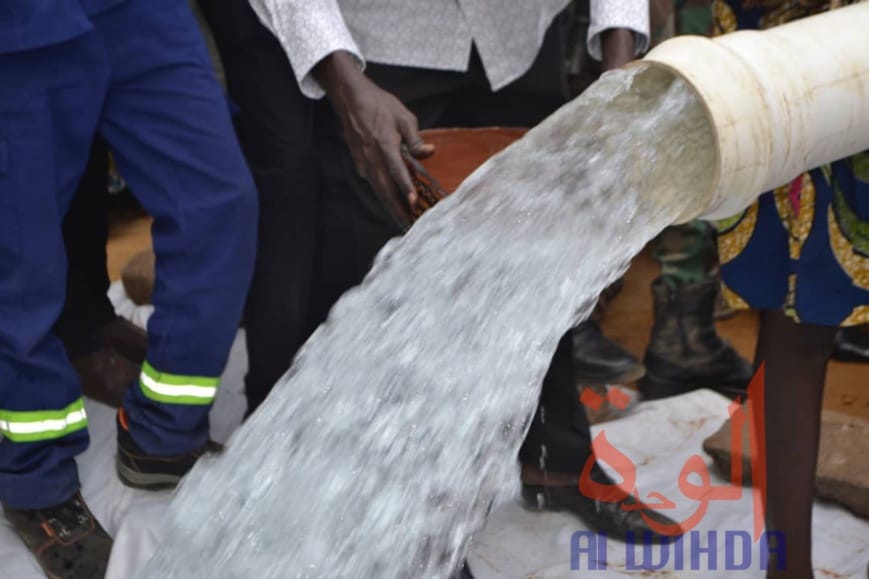
The World Bank has earmarked a $160 million investment to enhance water access and bolster climate resilience in Chad’s most vulnerable regions, directly benefiting one million people—over half of whom are women.

a strategic push for water security and climate adaptation in Chad
The funding, delivered through the International Development Association (IDA), will drive the Projet d’appui à la sécurité de l’eau et à la résilience au Tchad (PASER), a multi-faceted initiative designed to tackle water scarcity and climate vulnerabilities across Chad’s most fragile provinces.
PASER targets key areas of concern, including the eastern regions hosting over 1.3 million Sudanese refugees, where water scarcity has fueled tensions between host communities and displaced populations. By strengthening water infrastructure and promoting sustainable resource management, the project aims to restore stability and foster economic opportunities in these high-risk zones.
key pillars of the PASER initiative
- Infrastructure upgrades: Construction and rehabilitation of water supply systems to withstand climate shocks such as droughts and floods, ensuring reliable access for households and agricultural use.
- Local capacity building: Training programs to empower communities with the skills needed for effective water management and climate-resilient agricultural practices.
- Inclusive development: Prioritizing women and marginalized groups, with over 50% of beneficiaries expected to be women, to address gender disparities in access to resources.
- Refugee and host community integration: A dedicated $80 million allocation from the Window for Host Communities and Refugees (WHR) will support shared infrastructure, reducing conflicts over scarce resources.
aligning with Chad’s long-term vision
The project aligns with Chad Connexion 2030 – Programme 15, the government’s flagship strategy to shift from humanitarian aid to sustainable development and resilience-building in displacement-affected provinces. By integrating climate adaptation into national policies, PASER is poised to create lasting impact beyond immediate relief.
Farouk Mollah Banna, the World Bank’s Resident Representative in Chad, emphasized the project’s role in addressing root causes of fragility: “Water scarcity and resource degradation are exacerbating tensions between communities. This initiative not only restores access to water but also rebuilds trust and economic prospects in a region under severe strain.”
Hawa Cissé Wagué, the Bank’s acting Country Director for Chad, highlighted the project’s broader significance: “This operation demonstrates how targeted development investments can serve as catalysts for peace and stability in some of the world’s most fragile contexts. It marks a critical step toward a more resilient, inclusive, and stable Chad.”








