Mariama Hamani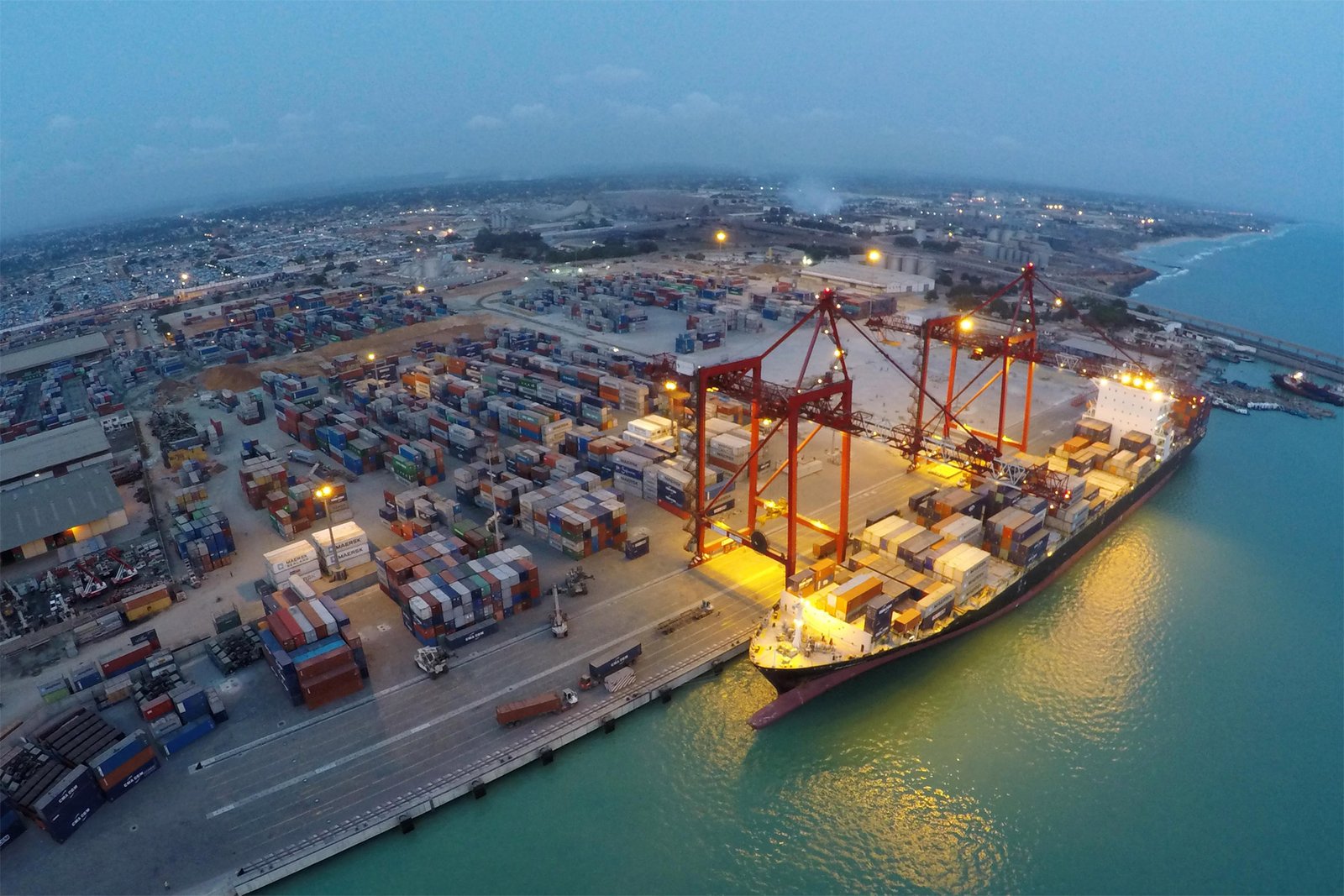
A high-powered delegation from the World Bank, led by Director Marie-Chantal Uwanyiligira, conducted a strategic site visit to the Autonomous Port of Lomé (PAL) on July 16, 2026. The visit coincided with the signing of groundbreaking financial agreements and focused on exploring enhanced collaboration opportunities to reinforce Lomé’s position as West Africa’s leading logistical hub.
West Africa’s top transshipment port under the spotlight
Warmly received by PAL’s Managing Director, Edem Kokou Tengué, the delegation toured the port’s state-of-the-art facilities, gaining firsthand insight into its operational excellence and strategic vision.
The Managing Director highlighted Togo’s key advantages:
- Lomé Container Terminal (LCT): A world-class facility designed to accommodate the latest mega-vessels.
- Specialized terminals: Including cutting-edge mineral, oil, and conventional docks.
- Togo 2040 Vision: A forward-looking government initiative to develop the coastal corridor into multiple logistical and commercial hubs.
Driving sustainable job creation across the nation
Marie-Chantal Uwanyiligira underscored the World Bank’s keen interest in the Port of Lomé, citing its pivotal role in national economic growth and employment generation.
« The port’s operational efficiency is inextricably linked to economic performance and job creation. For us, the priority remains fostering productive employment opportunities that fuel long-term development. » — Marie-Chantal Uwanyiligira
The Director praised Togo’s remarkable progress, noting how substantial investments have elevated the port’s competitiveness to levels seen in far larger economies.
200 million dollar investment to boost industrial connectivity
This visit culminated in a landmark announcement: the World Bank Group, through its public and private funding arms, has pledged a 200 million dollar (120 billion FCFA) financing package to modernize urban and logistical transport networks.
The funds will directly link the Autonomous Port of Lomé to the country’s primary industrial zone, upgrading road infrastructure and optimizing rail transport networks to streamline cargo movement.