
 Boureima Amadou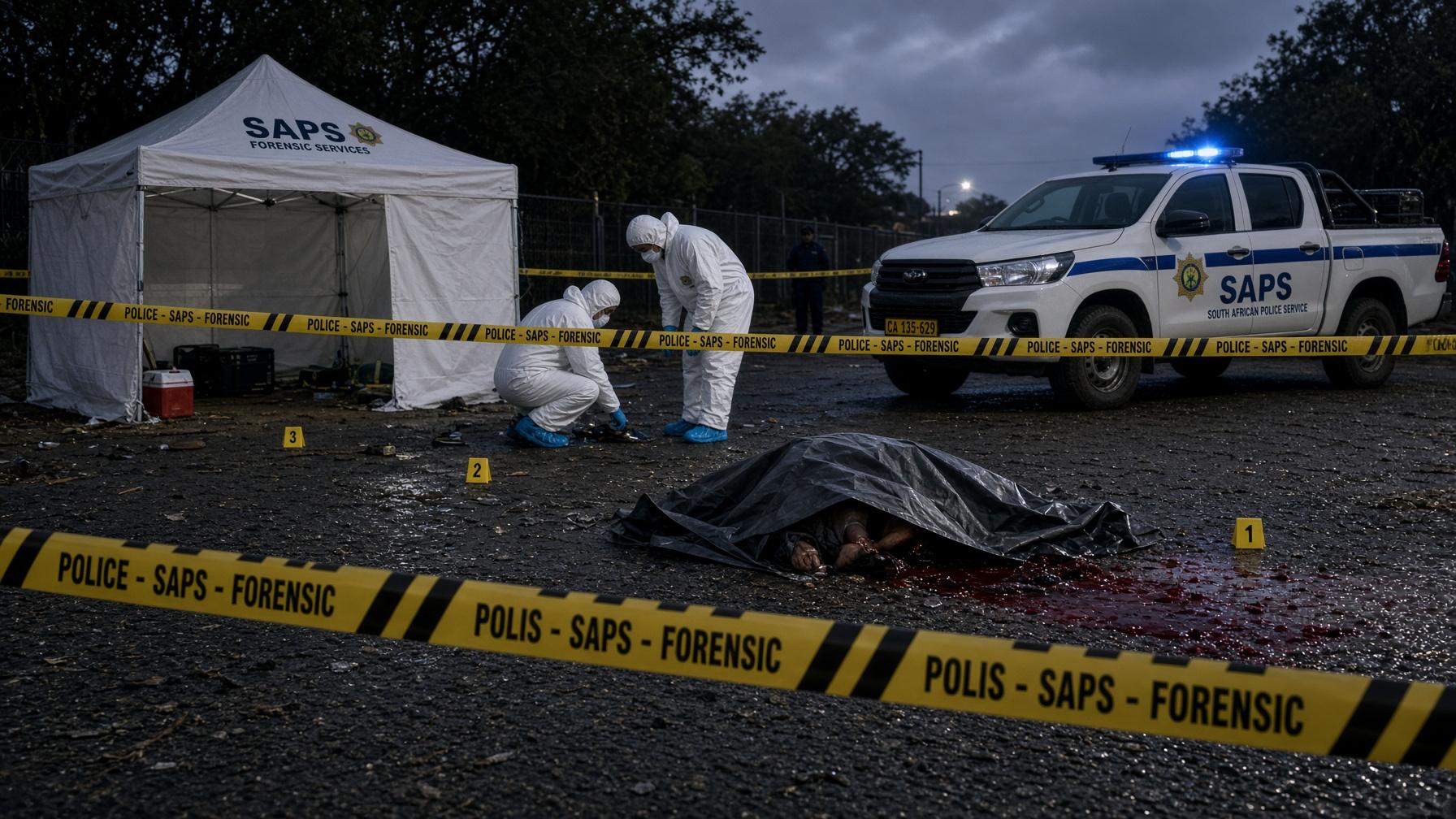
A deadly day in South Africa: two shootings, 27 lives lost
South Africa has been plunged back into the nightmare of mass gun violence after two separate attacks in Johannesburg and Cape Town left at least 27 people dead and several others critically injured. The shootings occurred within hours of each other, targeting groups of people in what police describe as indiscriminate attacks.
The scale of the bloodshed has once again raised a fundamental question: what will it take to stop the killing? As the country grapples with some of the highest homicide rates in the world, each new massacre amplifies public anger and demands urgent answers.
How the attacks unfolded
In Johannesburg, the shooting took place in a densely populated neighborhood where armed men opened fire on people gathered at an informal establishment. In Cape Town, gunfire erupted in a peri-urban area known for gang rivalries and organized crime. In both cases, the attackers fled the scene in vehicles before police could arrive.
Police have deployed reinforcements to both locations and launched manhunts to identify and arrest the perpetrators. No suspects have been publicly named, and the motive for each attack remains under investigation.
The recurring pattern of gun violence
These latest killings underscore the alarming level of insecurity that has become a grim feature of South African life. The country is regularly rocked by violent confrontations linked to:
- Turf wars over drug trafficking and extortion networks in townships.
- Deadly rivalries between minibus taxi associations.
- The unchecked flow of illegal firearms.
Despite repeated government pledges to boost police presence and crack down on arms trafficking, mass shootings have only intensified in recent years, fueling public outrage and a growing sense of despair.
What can break the cycle?
The question now is whether South Africa can break the cycle of violence. Communities are calling for more than promises — they want visible action, from dismantling criminal networks to stemming the tide of illegal weapons. But with each new attack, trust in the state’s ability to protect its citizens erodes further.
As the nation mourns the 27 lives lost, the pressure on authorities to deliver real change has never been greater. The answer may well determine whether the country can ever feel safe again.



 Mariama Hamani




