
 Boureima Amadou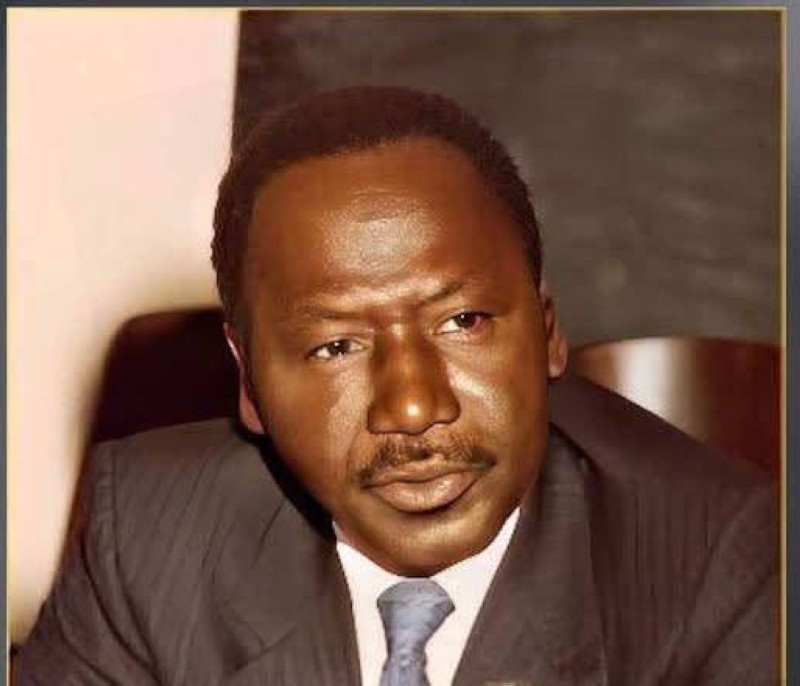
How Abdoulaye Koné’s death affects everyday life in Côte d’Ivoire
The passing of Abdoulaye Koné, former Minister of Economy and Finance under President Félix Houphouët-Boigny, is not just a ceremonial loss. It carries tangible consequences for Ivorian citizens, businesses and the country’s economic stability. Koné died on Saturday, September 19, 2026, at the age of 91, leaving behind a legacy that shaped the financial architecture many Ivorians depend on today.
From budget director to economic architect
Before taking the helm of the Economy and Finance Ministry, Koné served as Director of the Budget and later as Secretary of State for the Budget. These roles placed him at the center of decisions that determined public spending, tax policies and the fiscal balance of the state. For ordinary Ivorians, the effects of those decisions were felt in schools, hospitals and infrastructure projects that still serve communities today.
His tenure coincided with a period when Côte d’Ivoire was laying the groundwork for its economic development and strengthening its ties within West Africa. The policies he helped design contributed to the stability that allowed businesses to grow and households to plan for the future.
Regional integration and its economic ripple effects
Koné also played a key role in building the West African Economic and Monetary Union (UEMOA). Under President Houphouët-Boigny, he worked to consolidate this regional framework, which today facilitates trade, investment and monetary cooperation among eight West African countries. For Ivorian businesses, UEMOA membership means access to a larger market and a shared currency, reducing exchange rate risks and transaction costs.
His experience extended beyond government. He crossed paths with Alassane Ouattara when both served at the Central Bank of West African States (BCEAO). President Ouattara has described Koné as “a true source of inspiration and unwavering support,” underscoring the personal and professional influence Koné had on a generation of economic leaders.
What the loss means for Ivorian citizens and businesses
The death of a figure like Koné raises questions about the continuity of economic memory and the institutional knowledge that guided Côte d’Ivoire through decades of change. For citizens, the immediate impact is symbolic but also practical: the loss of a seasoned voice that understood the inner workings of the state’s finances.
For businesses, particularly small and medium-sized enterprises that rely on stable fiscal policies and regional trade agreements, Koné’s legacy is embedded in the frameworks that continue to shape their operating environment. The UEMOA integration he helped build remains a cornerstone of cross-border commerce, affecting everything from import duties to currency stability.
At the state level, Koné’s passing highlights the importance of preserving institutional memory. The budget processes, economic strategies and regional partnerships he helped craft are not just historical footnotes; they are living systems that require stewardship. The question now is who will carry that expertise forward.
A legacy that will shape future generations
President Ouattara extended condolences to Koné’s wife, children, family and loved ones. Beyond the official tributes, Koné leaves behind a record of service that spans decades, from the Budget Directorate to ministerial office and regional economic cooperation.
As Côte d’Ivoire moves forward, the consequences of Koné’s work will continue to be felt in the state’s budget decisions, the strength of its regional partnerships and the everyday economic life of its citizens. His death closes a chapter, but the structures he helped build remain central to the country’s economic future.








