
 Boureima Amadou
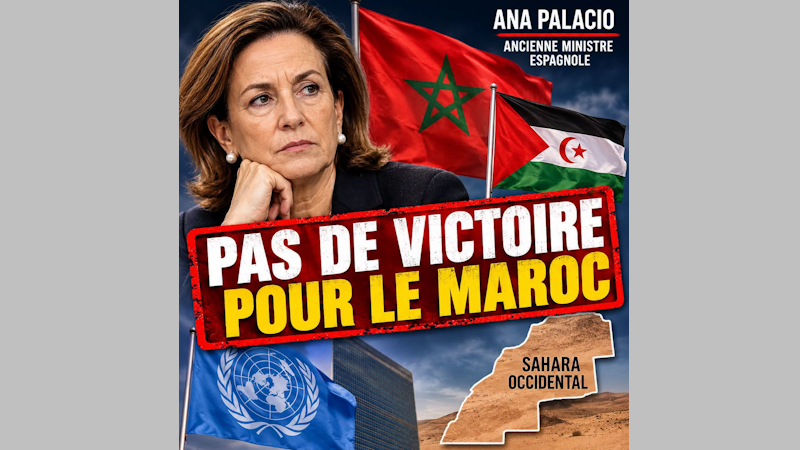

The United Nations’ sudden withdrawal from Western Sahara marks a decisive turning point in the decades-long dispute, reshaping regional power dynamics. While not resolving the legal merits of Morocco’s claims, the move signals a major shift in how the conflict may now unfold.
UN Security Council deadlock forces MINURSO withdrawal
After 35 years of operation, the United Nations Mission for the Referendum in Western Sahara (MINURSO) has begun its phase-out process following a dramatic Security Council impasse. On October 30, a Russian veto blocked an American-backed resolution that had secured 11 favorable votes. A Russian counterproposal for a technical one-year extension also failed after receiving only three supportive votes and facing outright opposition from Washington.
The American resolution had aimed to cement Morocco’s 2007 autonomy plan as the sole basis for negotiations. It sought to amend MINURSO’s mandate by removing the ‘R’ from referendum in its acronym. Though softened through negotiations, the proposal ultimately collapsed under sustained pressure, leading to the mission’s expiration.
Rabat’s strategic victory and diplomatic triumph
The Moroccan government swiftly hailed the withdrawal as a diplomatic success, calling for the immediate removal of UN symbols and personnel from the territory. This accelerated departure reflects several strategic calculations:
- UN negotiation exhaustion: Morocco believes it has maximized diplomatic benefits from UN processes, particularly after its autonomy proposal gained substantial international support.
- U.S. backing: The Trump administration’s firm support for Morocco’s position has emboldened Rabat to pursue recognition through bilateral channels rather than multilateral forums.
- Domestic legitimacy: The Western Sahara issue remains crucial for Moroccan political stability, serving as a key pillar of monarchical legitimacy during the transition to a new royal succession.
Legal realities remain unchanged
Despite Morocco’s celebrations, the fundamental legal status of Western Sahara remains unaltered. The territory continues to be listed as a non-self-governing territory by the UN, and the withdrawal of MINURSO does not transfer sovereignty or diminish the Assembly’s oversight role.
| Key consideration | Impact of MINURSO withdrawal |
| Territorial status | No change (Still classified as non-self-governing territory). |
| Sovereignty claims | Unaffected (International law remains unchanged). |
| Polisario conflict | Ongoing (Loss of critical observation mechanism increases escalation risks). |
| Multilateral system | Weakened (Demonstrates great powers’ willingness to bypass UN mechanisms when outcomes aren’t favorable). |
An international order at a crossroads
The UN withdrawal exposes fundamental cracks in the international system. While political leaders may disregard established norms, the underlying legal framework persists. A rules-based order stripped of its enforcement tools risks drifting toward heightened instability, particularly in regions where territorial disputes remain unresolved.



 Mariama Hamani



