Boureima Amadou
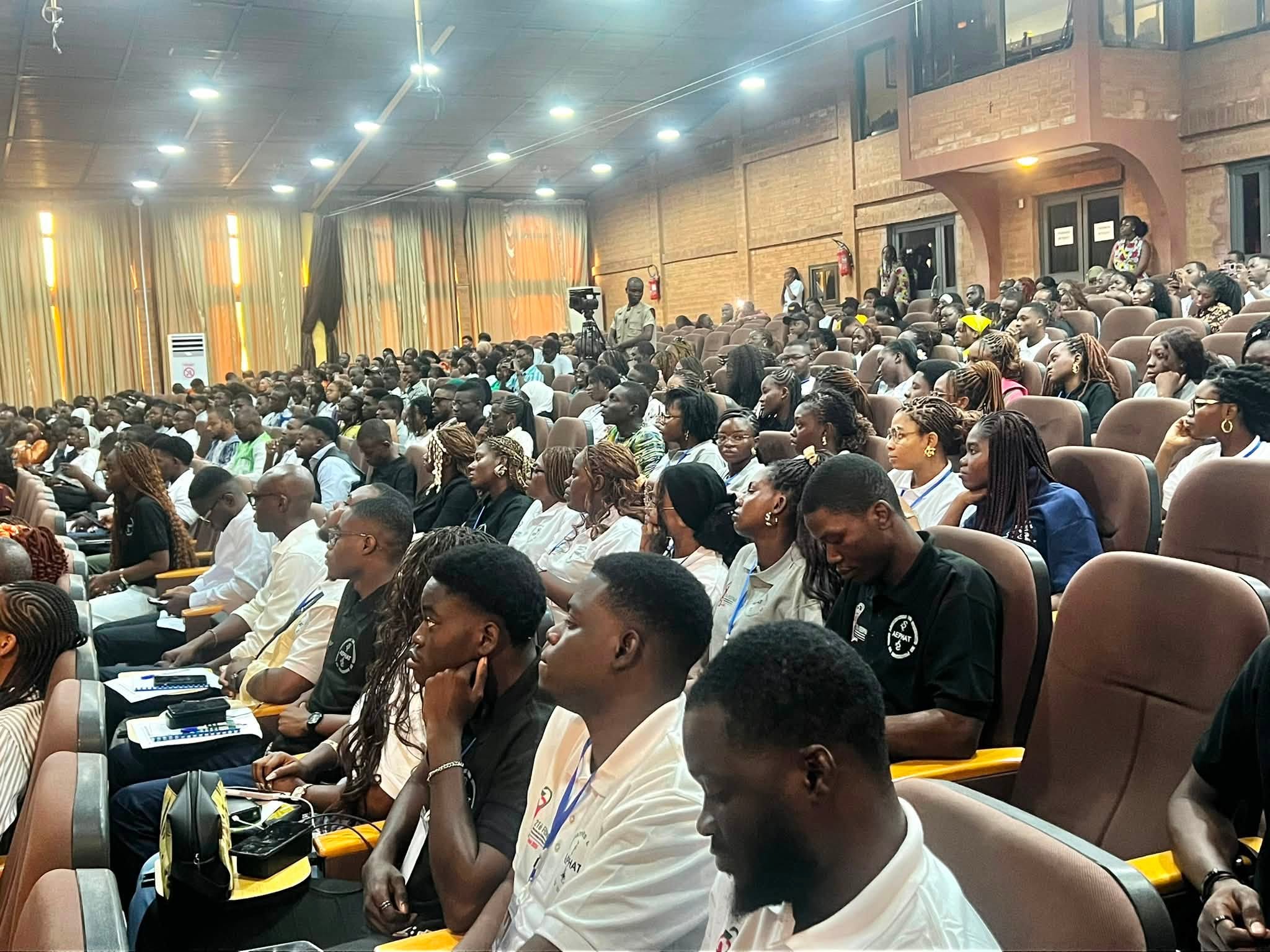
Lomé, August 13, 2026 — The West African healthcare system stands at a defining crossroads. Should the region continue to rely heavily on imported medications, or take bold steps to build its own pharmaceutical industry? That critical question brought together medical professionals, academics, and policymakers on August 12 at the Agora Senghor in Lomé, laying the groundwork for a transformative shift in regional health strategy.
Organized under the banner of the West African Pharmacy Students Federation (FESPAO) for its 21st Scientific and Cultural Conference, the event marks a turning point. Young medical leaders are no longer merely requesting increased health budgets—they are demanding a fundamental overhaul of the entire system. The outdated model of pharmacies as mere distributors is giving way to a new era of industrialization, genomic research, and rigorous validation of traditional knowledge.
Local production: a national security imperative

The global pandemic and recent supply chain disruptions have exposed a harsh reality: Africa’s reliance on foreign pharmaceutical imports is no longer just an economic concern—it poses a serious threat to national security. This was the core message delivered during the conference.
Professor Gado Tchangbédji, Togo’s Minister Delegate for Higher Education and Research, outlined the government’s new strategic direction, championed by President Faure Essozimna Gnassingbé: turning innovation and local drug production into the region’s strongest defense against future health crises. To achieve this, the state is pledging substantial support for scientific cooperation and applied research initiatives.
Genomic epidemiology and indigenous knowledge: the future of African medicine


This industrial and scientific vision faces a critical human capital challenge. As the sector evolves, so too must academic training. Speaking as both Togo’s Minister Delegate for Health and Dean of the Faculty of Health Sciences at the University of Lomé, Professor Tchin Darré identified the linchpin of this transformation: curriculum reform. The pharmacist of tomorrow in West Africa cannot remain a simple dispenser of medication behind a counter. Instead, they must emerge as a research scientist, a leader in manufacturing, and an authority on validating indigenous knowledge systems.
As discussions continue in Lomé, the 21st edition of the FESPAO conference has one clear goal: to convert these academic debates into enforceable public policies. The aim is to ensure that universal healthcare access in West Africa no longer depends on factories located thousands of miles away from patients.
In essence, the stakes could not be higher. Without a strong local pharmaceutical industry and research programs rooted in African realities, West Africa will remain beholden to solutions from abroad. In the face of future pandemics, such dependency could cost lives. True health sovereignty will be determined by each nation’s ability to turn these resolutions into tangible action—ensuring every African patient receives care that is designed, validated, and produced on the continent.