Mariama Hamani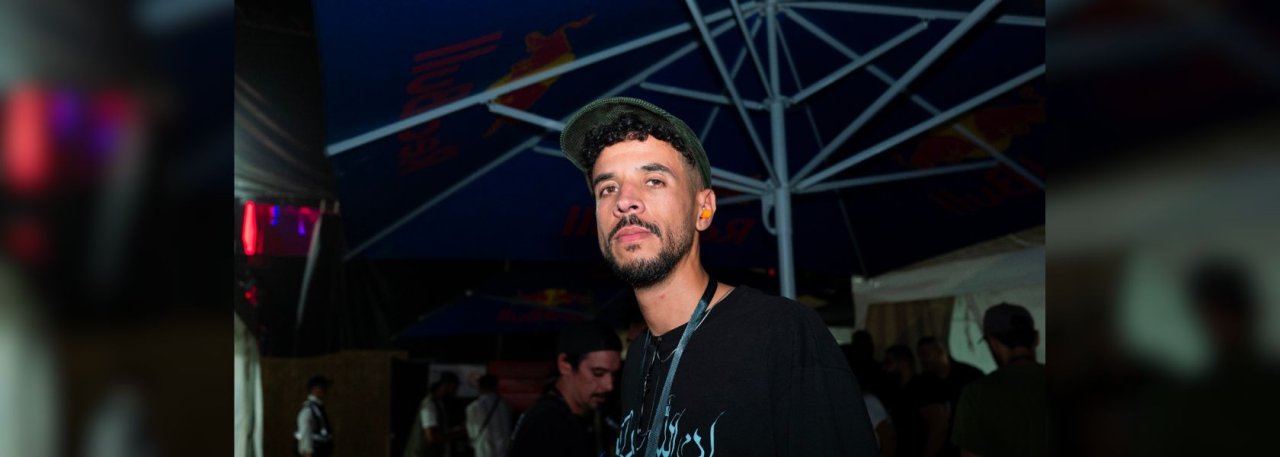
The detention of El Mahdi Lyoubi, a prominent Moroccan filmmaker and rapper, since July 13, 2026, has ignited widespread concerns about artistic freedom and the right to free expression in Morocco. The international community, alongside a coalition of cultural institutions, human rights defenders, and public figures, is demanding his immediate release, citing serious violations of constitutional and international law.
Who is El Mahdi Lyoubi?
Born in Salé in 1992, El Mahdi Lyoubi has built an impressive career as both a filmmaker and musician. Trained at the prestigious Fémis film school in France, where he moved in 2017, he has earned international acclaim for his work. His documentary short Marseille, 14 juillet has been featured in major festivals, including New Directors-New Films at MoMA in New York, Sheffield DocFest, and the African Cinema Festival of Tarifa. Currently working on his first feature-length documentary—selected for the 2025 Arab Fund for Arts and Culture (AFAC) grant—Lyoubi is also a prominent voice in Morocco’s music scene under the alias Mehdi Black Wind. His creative output consistently addresses themes of social justice and freedom of expression, resonating deeply with audiences. In September 2025, he performed before a crowd of over 50,000 at the L’Boulevard festival in Casablanca.
What happened on July 10, 2026?
Lyoubi was preparing to return to Marseille after a family visit and research trip for his documentary when he was stopped at Rabat-Salé Airport. Despite holding a valid ticket, he was informed that he was barred from leaving Morocco—though no official reason was provided. When he attempted to board his flight, authorities prevented him from doing so and escorted him to a police station in Salé. Despite repeated inquiries, officers could not clarify the grounds for the travel ban and instead issued him a summons to appear before the National Brigade of Judicial Police (BNPJ) in Casablanca on July 13.
Upon arrival, Lyoubi was subjected to a full-day interrogation before being placed in police custody that evening. His family received only informal and delayed notice that his detention might be linked to social media posts, with no further details disclosed. He was subsequently brought before a prosecutor on July 15 and, following a judicial hearing, was remanded to Oukacha prison in Casablanca pending a trial scheduled for July 22. The situation is further complicated by a nationwide lawyers’ strike, which has prevented his legal representatives from accessing his case file or meeting with him. Family visits have also been denied.
The lack of transparency and due process in Lyoubi’s case is emblematic of a troubling pattern. Since late 2025, Morocco has witnessed a surge in legal actions against artists and creators whose work or public statements are deemed critical of state institutions or policies. This includes:
- Pause Flow (Jawad Asradi): A rapper arrested in November 2025 for lyrics in his songs, sentenced in June 2026 to three months of suspended imprisonment for insulting a constituted body.
- Hamza Raid: A Casablanca-based rapper handed a six-month suspended sentence for similar charges.
- Souhaib Qabli: A 20-year-old rapper convicted in March 2026 to eight months in prison for insulting a constitutional institution and spreading false information.
- Zineb Kharroubi: A film distributor sentenced in February 2026 to six months of suspended imprisonment for allegedly inciting crimes or offenses online.
Why this case matters
These cases reflect a growing trend of criminalizing artistic expression in Morocco, despite Article 25 of the Moroccan Constitution—which guarantees the right to freedom of thought, opinion, and expression in all its forms. The situation has intensified amid the GenZ 212 protest movement, which emerged in late 2025 and gained momentum through social media. The movement’s demands include improved access to healthcare and education, anti-corruption measures, and greater freedom of expression.
Human rights organizations, cultural institutions, and public figures are urging Moroccan authorities to:
- Ensure Lyoubi’s full procedural rights, including access to legal counsel and a fair trial, in line with Morocco’s Constitution and international obligations.
- Immediately review and revoke any restrictions on his freedom or travel, ensuring they are legally justified, proportionate, and necessary.
- Guarantee that his case is handled in strict adherence to fair trial standards and Morocco’s constitutional and international human rights commitments.
- Create an enabling environment for artists and cultural actors to freely exercise their creativity and participate in public discourse without fear of reprisal.
- Unconditionally release El Mahdi Lyoubi without delay.
The signatories of this appeal remain vigilant and open to constructive dialogue with Moroccan authorities to resolve this case in accordance with the principles of justice and human rights.

 Boureima Amadou