
 Mariama Hamani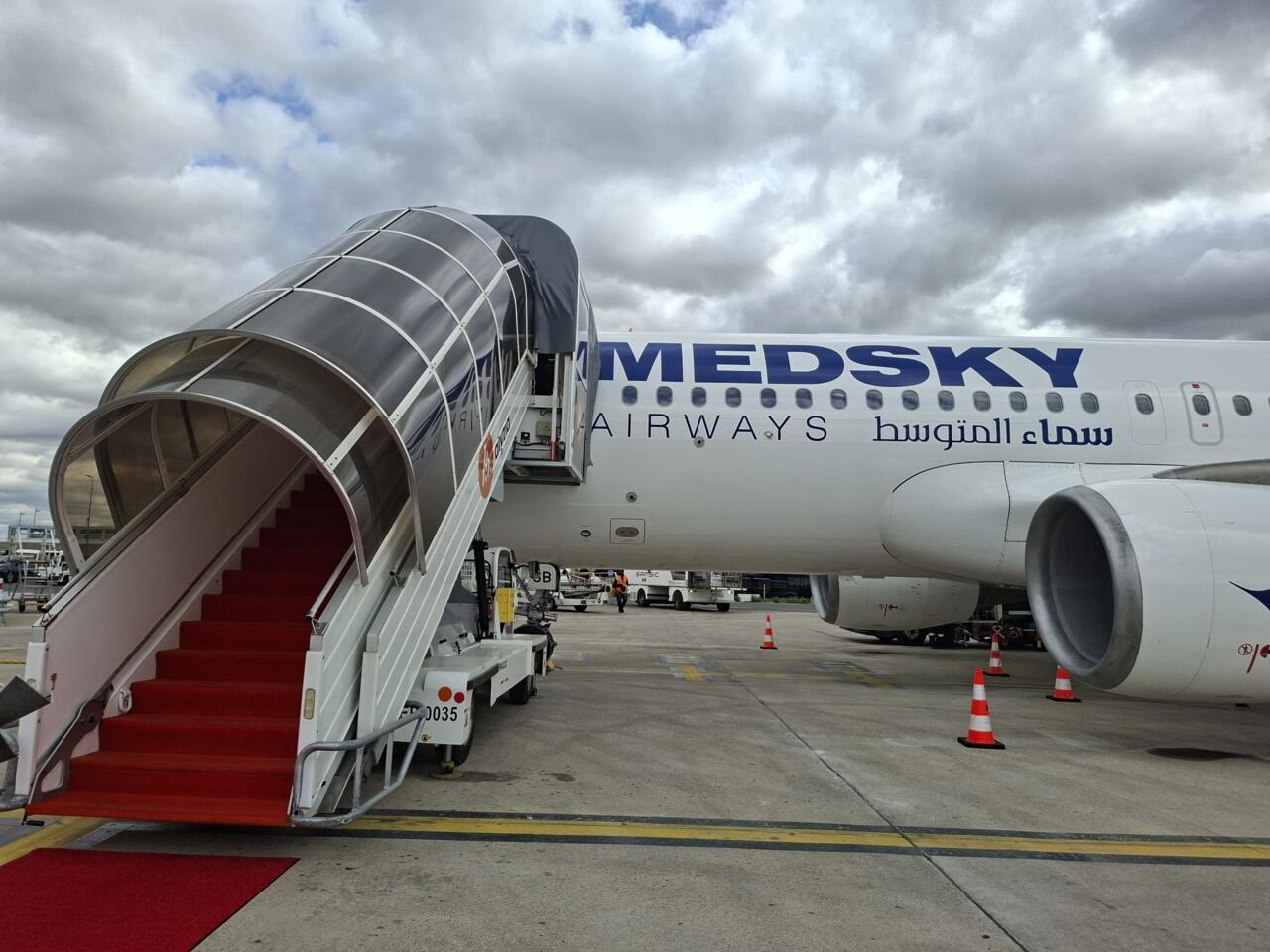
Cameroon has already set up working groups to scrutinise Tripoli’s proposal in depth, as a potential direct air route between the two countries moves onto the agenda.
A diplomatic push with practical consequences
On 23 September 2026, Cameroon’s Minister of Transport, Jean Ernest Masséna Ngallè Bibehè, granted an audience to a Libyan delegation led by Adel Shawi, Chargé d’affaires at Libya’s embassy in Cameroon. At the centre of the talks was the prospect of opening an air route linking the two nations — a move that, if realised, would have tangible effects on how people and goods move between Central and North Africa.
Why Yaoundé is taking a cautious but constructive line
Cameroon welcomed the initiative and proposed creating working groups that bring together the relevant officials to examine in detail the various issues tied to reviving this form of cooperation. Both sides also intend to step up the necessary groundwork and identify concrete ways to move the project forward. According to information carried by the newspaper l’Economie, Cameroon says it is ready to support initiatives that could strengthen air links between Yaoundé and Tripoli, and that could also deepen economic and logistical cooperation between the two countries.
What this could mean on the ground
For ordinary travellers, a functioning Tripoli–Yaoundé route would open up a new option for journeys that currently require circuitous connections through other hubs — potentially cutting travel time and cost. For businesses, the impact could be broader: faster movement of goods, easier face-to-face dealings with North African counterparts, and a fresh corridor for trade and logistics. The economic stakes are therefore not abstract. They touch on how quickly a Cameroonian trader can reach a supplier, how competitively a company can ship cargo, and whether the country can position itself as a more connected player in regional aviation.
A regional reopening with security still in the balance
The Libyan carrier MesSky operated its first direct flight from Tripoli to Paris on 17 September 2026, with a service from Benghazi also planned. The resumption comes as Libya gradually reopens its airspace, even though security risks continue to weigh on its aviation sector. That context matters for Cameroon: any new route would depend not only on political goodwill but on whether the operational and safety environment can sustain regular, reliable service.
The road ahead
The working groups now have the task of turning a diplomatic opening into a workable plan. If they succeed, the consequences would be felt well beyond the two capitals — in ticket prices, cargo costs, business travel and the broader web of economic ties between Cameroon and Libya. For now, the project remains at the study stage, but the machinery has started to move.


 Boureima Amadou





