Mariama Hamani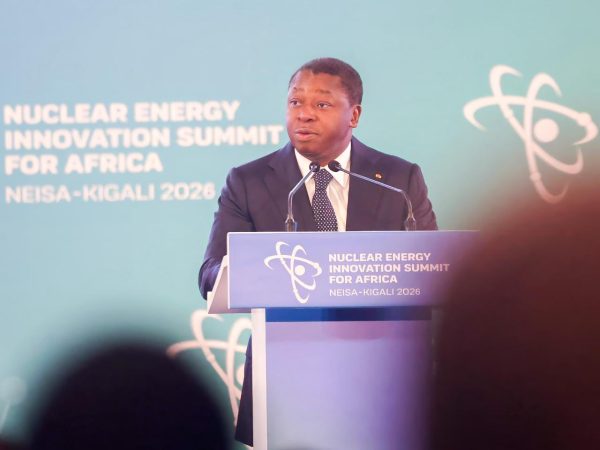
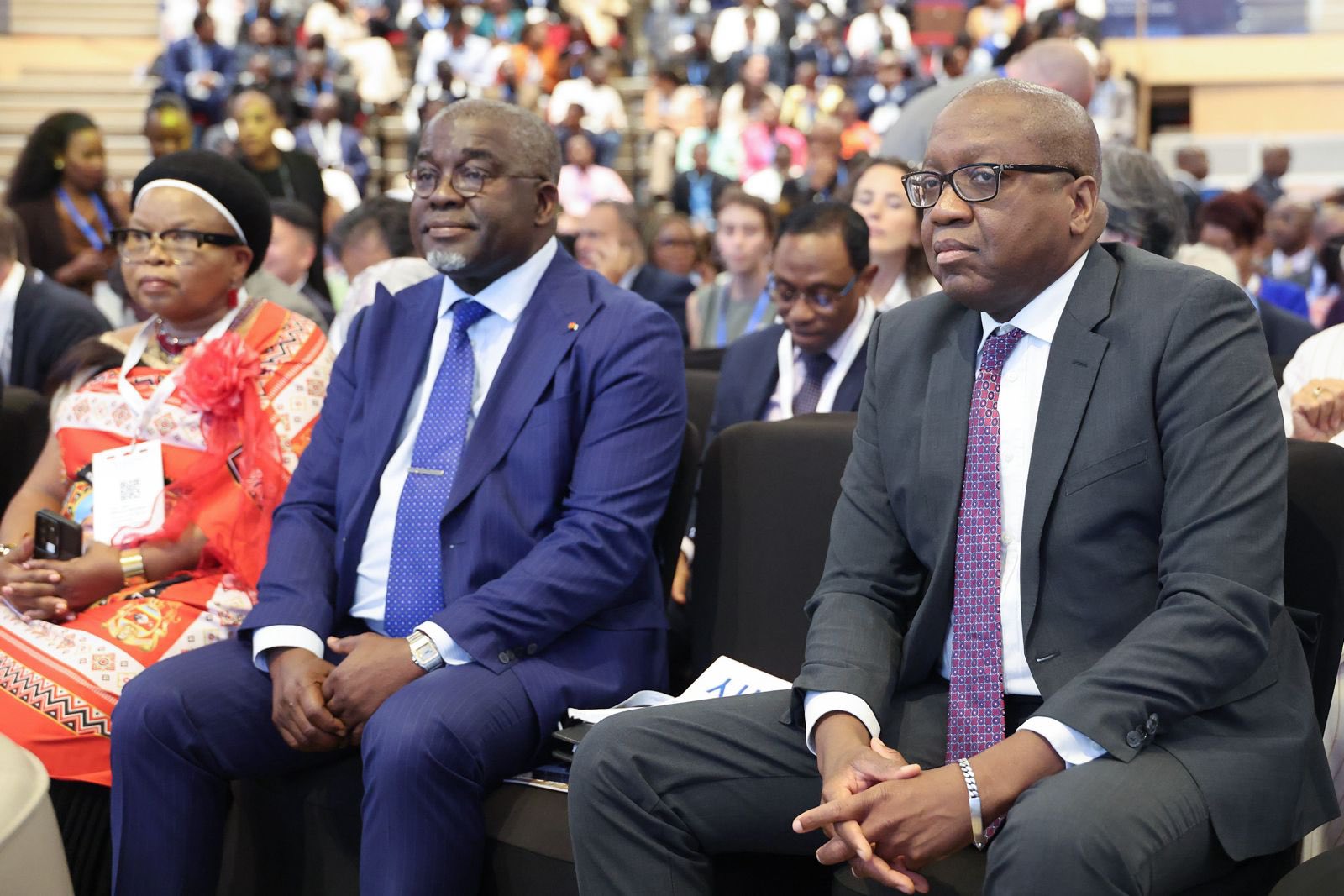
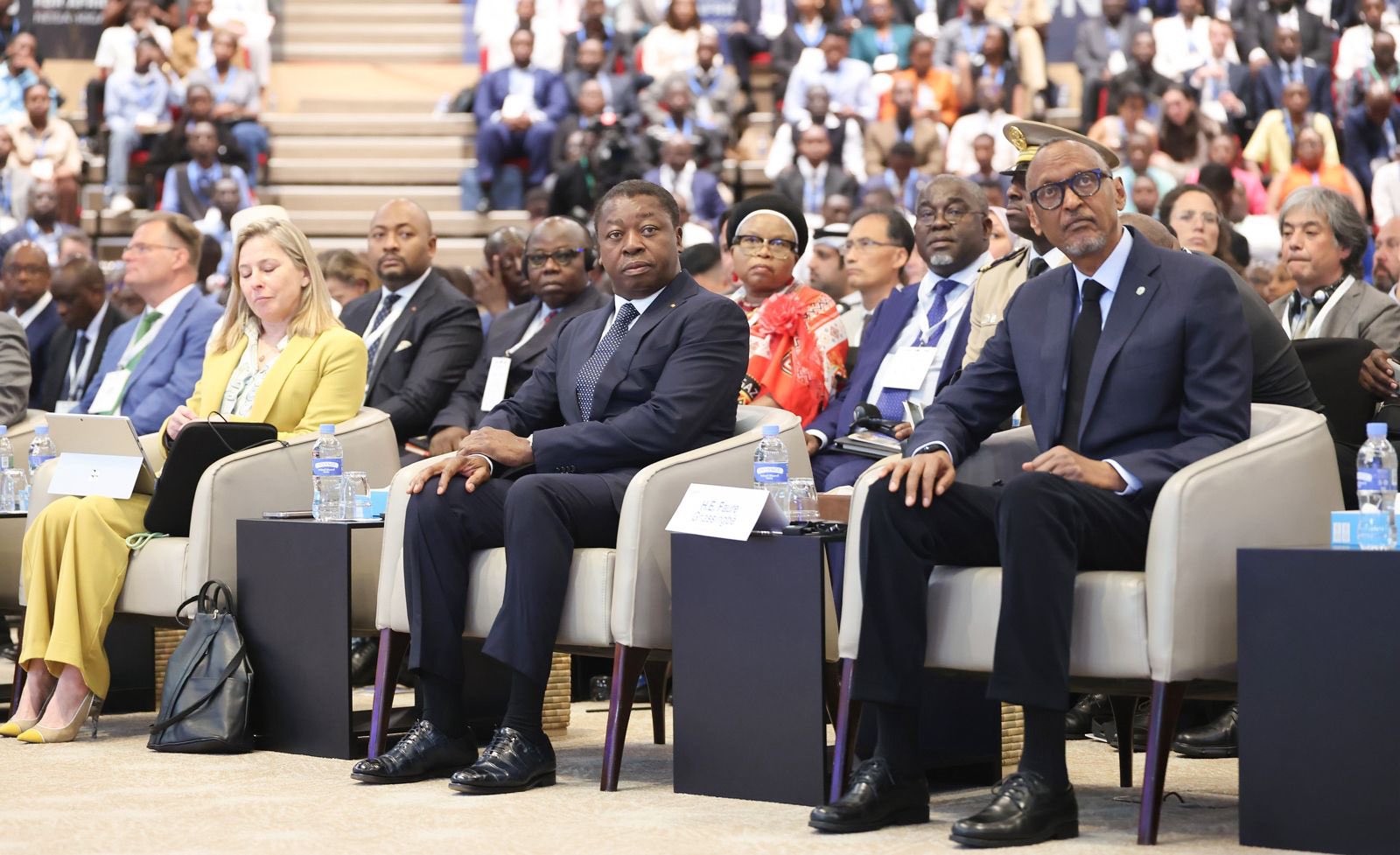
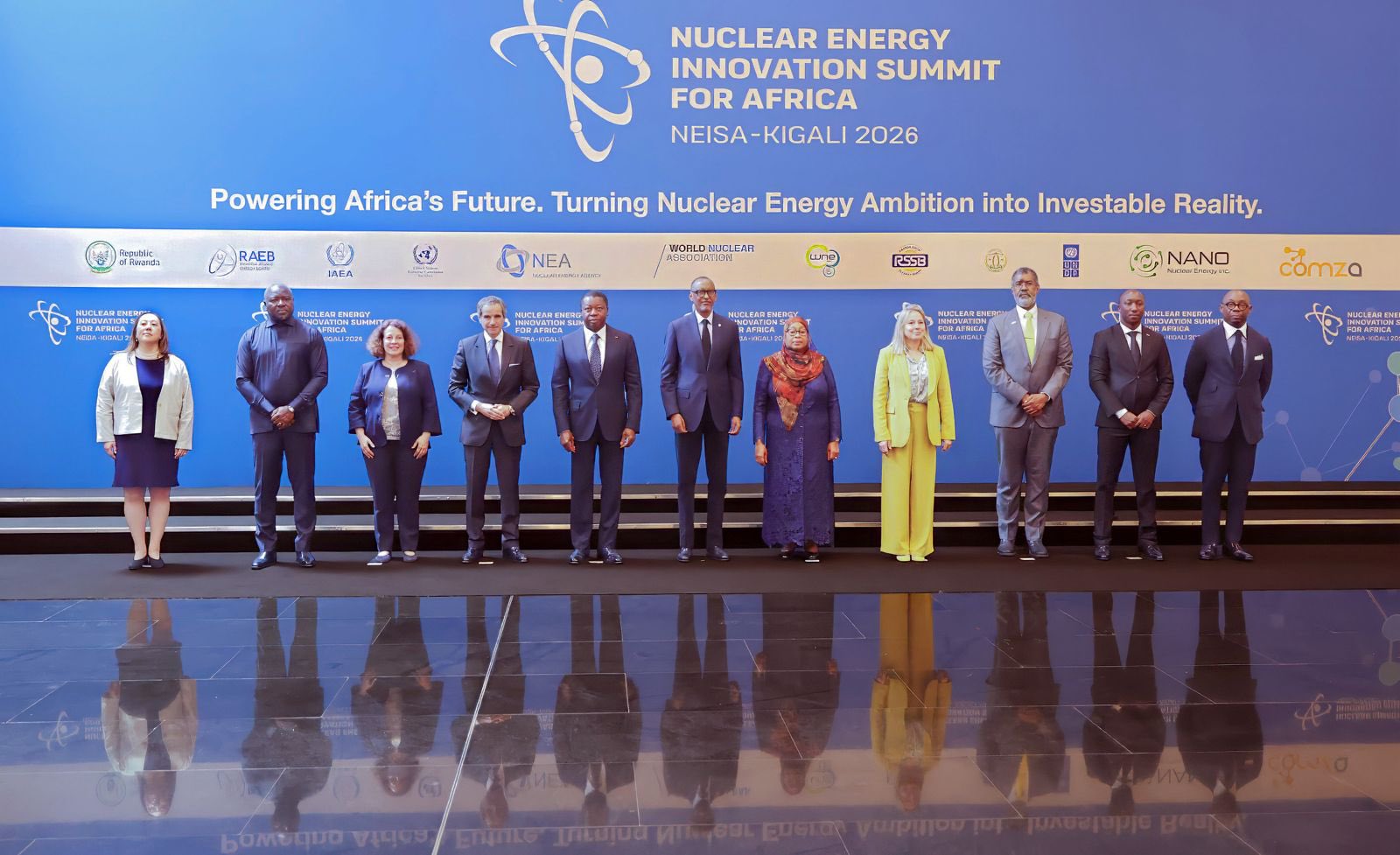
Kigali, May 20, 2026 — Intense discussions filled the sophisticated halls of the Kigali Congress Centre, blending urgent energy needs with ambitious industrial aspirations. Heads of State, leading civil nuclear experts, global investors, and international partners convened on May 19, 2026, for the second annual Summit on Nuclear Energy Innovation in Africa (NEISA 2026). This significant gathering underscored the continent’s growing resolve to fundamentally reshape its energy future.
LA SUITE APRÈS LA PUBLICITÉ
Among the distinguished leaders present, Faure Essozimna Gnassingbé, President of Togo, articulated a pivotal message: Africa can no longer simply manage current energy deficits. Instead, the continent must strategically invest in advanced technologies capable of powering its economic transformation for generations to come.
During his address, the Togolese leader emphasized the critical need for African nations to proactively anticipate the escalating demands of industrialization, rapid demographic expansion, and the burgeoning digital economies. Beneath the diplomatic and technical exchanges of the summit lay a widely acknowledged truth across the continent: without a foundation of stable, competitive, and sustainable energy, Africa’s grand industrial ambitions risk remaining largely unfulfilled.
nuclear power: africa’s emerging energy frontier
In Kigali, civil nuclear power emerged as one of the most significant topics of discussion. For many African nations, this sector was long perceived as unattainable due to prohibitive costs and stringent technical requirements. However, it is now progressively moving to the forefront of African energy strategies, marking a new era for continent news and African current affairs.
Numerous attendees articulated that the discourse extends beyond mere electricity generation; it encompasses vital issues of national sovereignty, industrial competitiveness, and comprehensive energy security. Within this evolving landscape, Togo actively advocates for an approach rooted in innovative partnerships, strategic diversification of energy sources, and robust regional cooperation, critical for African governance.
Togo’s vision: cooperation and innovation for african energy
President Faure Essozimna Gnassingbé’s message in Kigali aligns with a broader national strategy: leveraging access to energy as a powerful catalyst for economic transformation. Togo is actively pursuing international collaborations to secure essential technical expertise, crucial financing, and cutting-edge technological innovation.
Beyond nuclear power, the summit’s deliberations also delved into critical areas such as energy infrastructure, the development of smart grids, financing mechanisms for the energy transition, and the vital training of local skilled professionals. These topics represent particularly strategic imperatives for African economies grappling with rapidly escalating energy demand, a key aspect of Africa breaking news.
kigali: a symbol of africa’s forward-looking energy strategy
Within the conference rooms of NEISA 2026, the prevailing sentiment was unequivocally forward-looking. For the attending leaders, securing the continent’s energy future now mandates investing in long-term solutions designed to bolster African competitiveness in a rapidly evolving technological world.
In Kigali, Togo positioned itself as a committed participant in this critical continental dialogue. Through a combination of strengthened African cooperation, the pursuit of energy autonomy, and an openness to innovation, the summit profoundly illustrates a significant shift: Africa is increasingly determined to independently forge the foundations of its own energy sovereignty.


 Boureima Amadou