Boureima Amadou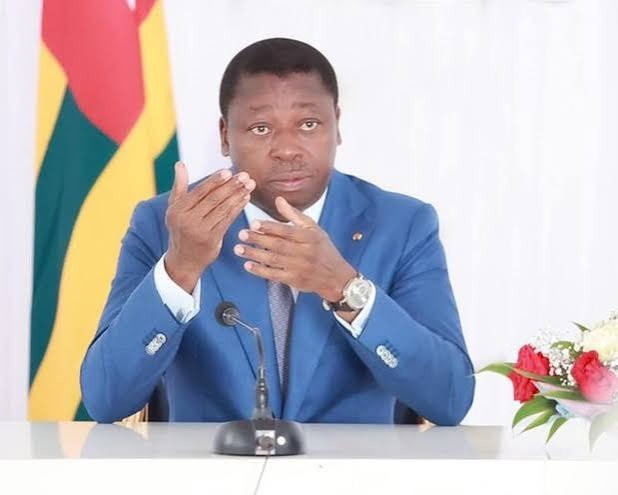
The political landscape in Lomé has reached a critical juncture following a landmark ruling by the ECOWAS Court of Justice, which declared Togo‘s 2024 constitutional amendment an unconstitutional government change. This verdict has galvanized a powerful coalition of 43 civil society organizations, both local and international, demanding immediate punitive measures against the Togolese authorities.
In a unified stance, these organizations have issued a formal appeal to the leadership of the Economic Community of West African States (ECOWAS) and the African Union (AU), condemning the 2024 constitutional reform spearheaded by President Faure Gnassingbé. The reform, rushed through the National Assembly in May 2024, transitioned the country from a presidential to a parliamentary system, ostensibly to bypass presidential term limits.
Legal and political backlash intensifies
The ECOWAS Court’s decision has provided legal ammunition to critics who have long argued that the constitutional amendments were a calculated move to extend executive power. The 43 signatory organizations, including prominent human rights leagues, legal collectives, and pan-African civic movements, assert that the court’s ruling validates their persistent allegations of a constitutional coup.
The collective’s open letter underscores the binding nature of the decision, stating, « This ruling is not merely advisory—it is a legally enforceable decision under community law that Togo, as a founding member of ECOWAS, must respect. » The letter emphasizes that the country is bound by the 2001 ECOWAS Protocol on Democracy and Good Governance, which prohibits unconstitutional changes of government. « There cannot be double standards. If West Africa is serious about curbing military coups, it must equally address constitutional coups with the same urgency. »
Demands for regional action grow louder
The civil society coalition is not merely celebrating the court’s verdict; it is demanding concrete action. In their joint statement, they call for the immediate imposition of targeted sanctions by regional bodies. Specifically, they urge the ECOWAS Commission and the AU Peace and Security Council to initiate suspension procedures and restrictions against Togolese officials complicit in undermining democratic norms.
The coalition’s primary demands include:
- Enforcement of the ECOWAS Protocol: Activation of sanctions mechanisms for violations of democratic frameworks.
- Diplomatic isolation: Review of Togo‘s participation in regional decision-making bodies.
- UN intervention: Appointment of a UN Special Rapporteur to monitor public freedoms and human rights in the country.
- Inclusive national dialogue: Restoration of broad-based political consultations under international mediation.
A defining moment for regional integrity
The crisis in Togo has thrust the country’s democratic credibility into sharp focus, highlighting a decade-long pattern of constitutional manipulations. The stance adopted by the ECOWAS Heads of State summit in the coming weeks will serve as a pivotal test for the bloc. As Togo stands at the crossroads of diplomatic stability and democratic principles, the region faces a decisive moment in upholding its commitment to governance standards.