Boureima Amadou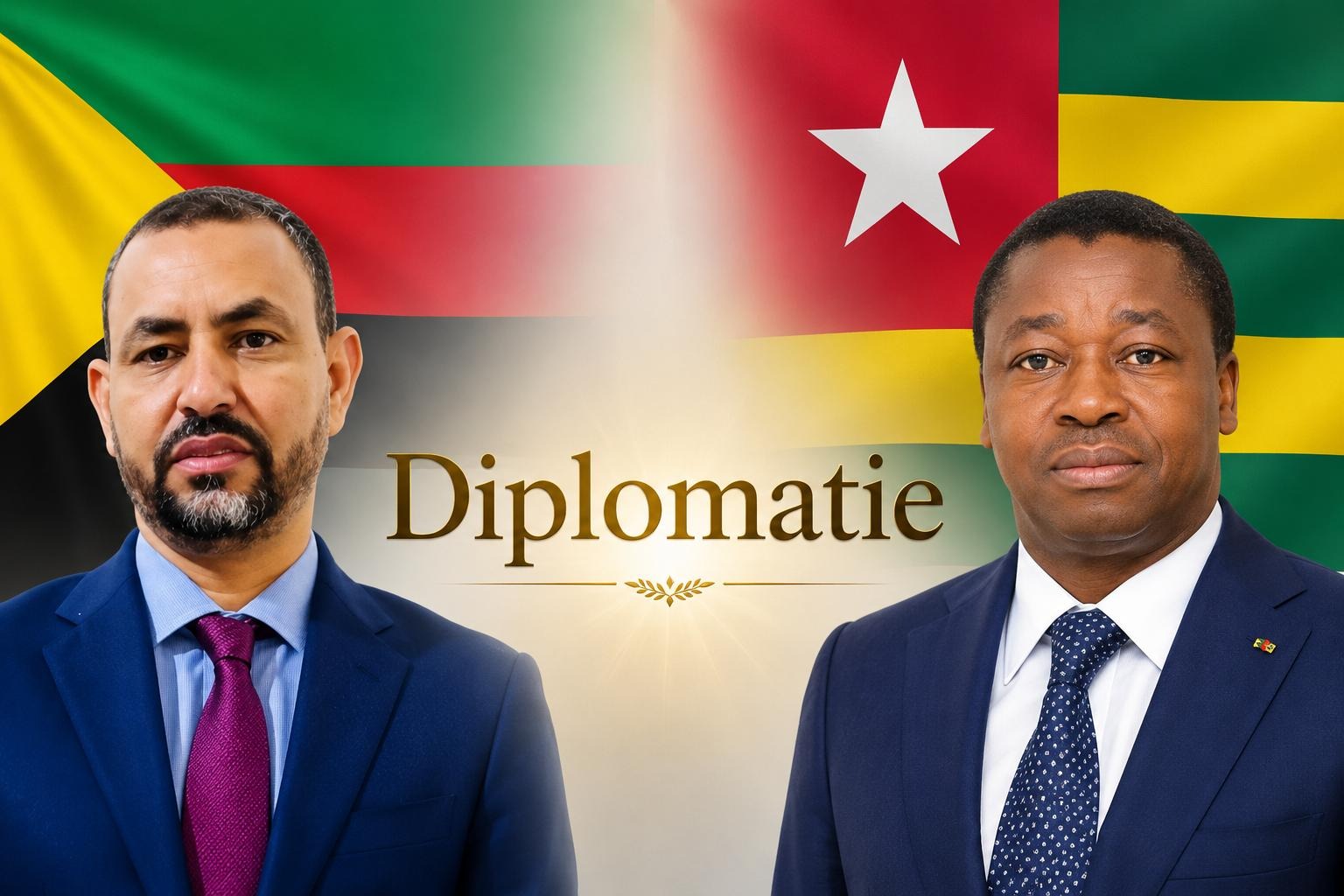
Lomé’s strategic pivot in West African geopolitics
The corridors of West African diplomacy are buzzing with anticipation. Lomé is poised to take a groundbreaking diplomatic step by officially recognizing the Front de Libération de l’Azawad (FLA). As this dissident movement prepares for a high-stakes regional tour, Togolese authorities under President Faure Gnassingbé are reinforcing their reputation as unconventional mediators. This move echoes Lomé’s earlier bold alignment with the military regimes of the Alliance des États du Sahel (AES), a stance that has drawn sharp criticism from CEDEAO.
FLA’s regional charm offensive targets Lomé as key ally
The FLA, a political and military faction challenging Mali’s central authority over northern territories, is stepping into the diplomatic spotlight. Its upcoming regional tour aims to secure international legitimacy and break free from the isolation imposed by Bamako’s transitional leaders. The decision to begin this campaign in Lomé is deliberate—diplomatic observers note that the Togolese capital is emerging as a critical hub for alternative narratives in West Africa’s shifting power dynamics.
The FLA’s envoys are seeking receptive audiences to amplify their autonomy and sovereignty demands. By agreeing to host the delegation and potentially granting recognition, Togo positions itself at the heart of this emerging geopolitical puzzle.
The ‘grand écart’: Togo’s unique diplomatic doctrine
President Faure Gnassingbé’s approach to regional diplomacy is nothing new—it’s a calculated strategy of engaging with dissent. While neighboring leaders enforce rigid institutional stances, Lomé has consistently championed dialogue with marginalized groups. This philosophy now extends to the FLA, a move that underscores Togo’s refusal to follow conventional diplomatic scripts.
Critics label this pragmatism as opportunism, but supporters argue it reflects a visionary willingness to bridge divides. Whether in the Sahel’s recent crises or today’s FLA recognition bid, Lomé’s diplomacy thrives on flexibility—even when it challenges regional norms.
From AES to FLA: Lomé’s unyielding support for breaking points
This diplomatic consistency was most visible during the Sahel’s political upheavals. When CEDEAO imposed sanctions and isolation on Mali, Burkina Faso, and Niger post-coups, Togo charted its own course. Lomé became the go-to mediator for the AES’s military leaders, undermining the bloc’s unified stance. Now, by entertaining the FLA, Togo applies the same playbook—this time backing a group challenging Bamako’s authority. The paradox highlights a clear pattern: Lomé positions itself as the indispensable crossroads for transitions and rebellions in West Africa.
Regional stability at stake in Togo’s FLA gamble
The impending recognition of the FLA risks deepening rifts across West Africa. Bamako’s transitional government views Lomé’s move as a direct interference in its domestic affairs—a potential endorsement of territorial destabilization. Meanwhile, CEDEAO, already strained by the AES’ defiance, sees this as another fracture in its solidarity framework.
By acting independently, Togo signals that regional security and diplomacy are evolving beyond traditional boundaries. The era of inviolable borders and non-interference is giving way to a more fluid, reality-based geopolitical landscape.
Togo’s gamble: Mediator or outlier?
As Lomé prepares to recognize the FLA during its regional tour, the move cements Togo’s role as West Africa’s diplomatic testing ground. President Gnassingbé’s strategy—anticipating ruptures, engaging with international pariahs, and positioning Lomé as a bold yet neutral broker—continues to turn heads. The question remains: Will this hands-on diplomacy bolster Togo’s influence, or will it isolate the country in an increasingly fragmented region?



 Mariama Hamani