Mariama Hamani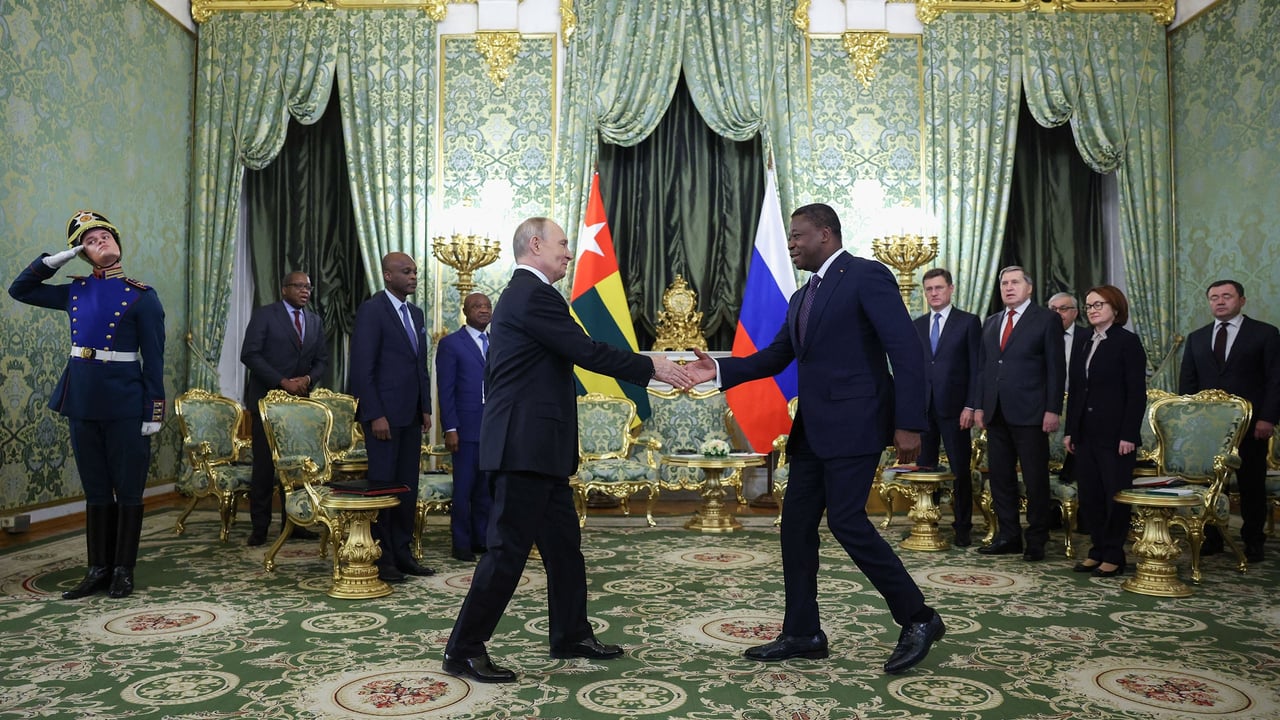
The small West African nation of Togo is quietly intensifying its security partnerships, turning to unconventional allies to bolster its defenses against escalating jihadist violence sweeping across the Sahel. Under President Faure Gnassingbé’s leadership, Lomé has quietly forged closer ties with Moscow’s Africa Corps and Ankara, signaling a strategic pivot that could reshape regional security dynamics.
Lomé’s secret strategy against Sahel militants
For years, Togo has quietly developed a covert counterterrorism framework aimed at curbing the spread of Islamist insurgencies from neighboring Burkina Faso and Niger. While international observers focused on traditional partners, Lomé initiated discreet negotiations with multiple foreign actors, including Russia’s Africa Corps and Turkish defense officials. These behind-the-scenes discussions have intensified since 2025, reflecting a bold shift in Togo’s foreign policy.
From Ankara to Moscow: a widening security web
Turkey emerged as an early partner, offering critical aerial support and logistical aid. Turkish military advisors reportedly began assisting Togolese forces in late 2023, providing training and equipment to help Lomé monitor and respond to cross-border threats. The collaboration deepened in early 2024, with joint reconnaissance missions and intelligence-sharing protocols now firmly in place.
Meanwhile, Russia’s Africa Corps has quietly expanded its footprint in Togo. Reports indicate that Russian military contractors—operating under the Africa Corps banner—have begun training local troops and advising on counterinsurgency tactics. Their arrival marks a significant escalation, as Moscow strengthens its influence across West Africa’s fragile states.
Why Togo is betting on non-traditional partners
Togo’s pivot toward Russia and Turkey reflects growing frustration with Western security support. While traditional allies have provided limited assistance, Lomé has found them slow to respond to urgent threats. In contrast, Moscow and Ankara have demonstrated agility, offering rapid deployments, flexible financing, and minimal political conditions. For a country facing daily incursions from jihadist cells, these partnerships offer tangible security gains.
Analysts suggest that Togo’s strategy is also driven by regional instability. The collapse of military juntas in Burkina Faso and Niger has left a power vacuum that jihadist groups are exploiting. With no immediate prospect of regional military intervention, Lomé has taken proactive steps to secure its borders and prevent spillover violence.
Controversy and geopolitical risks
Not everyone views Lomé’s alliances favorably. Critics warn that closer ties with Moscow and Ankara could entangle Togo in broader geopolitical rivalries, particularly as Russia expands its Wagner Group-inspired operations across Africa. Meanwhile, human rights groups have raised concerns over reports of Russian contractors allegedly using heavy-handed tactics in other African nations. Togo’s government has not publicly addressed these allegations.
Despite the risks, President Gnassingbé appears committed to this new security calculus. In closed-door meetings with diplomats, he has emphasized the need for “pragmatic partnerships” to protect Togo’s sovereignty and stability. Whether this gamble pays off remains to be seen—but one thing is clear: as jihadist violence intensifies, Togo is no longer waiting for the world to act.
Key takeaway: Togo’s quiet embrace of Russia’s Africa Corps and Turkish military aid signals a bold shift in West African security strategy, driven by necessity and a desire to act fast in the face of rising jihadist threats.

 Boureima Amadou