Mariama Hamani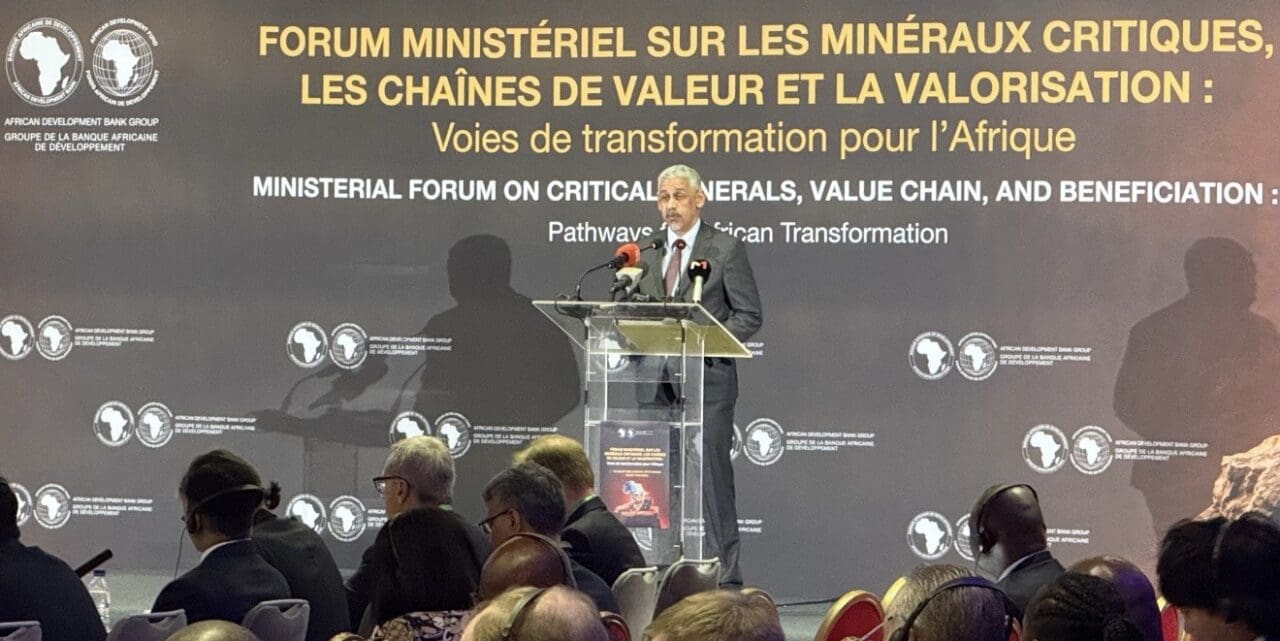
Abidjan became the epicenter of a continental strategy this week as African nations rich in critical minerals and their global partners convened to harness the continent’s vast underground wealth. With an estimated 29.5 trillion dollars in untapped mineral resources, the gathering aimed to shift Africa’s role from raw material supplier to industrial powerhouse, driving economic transformation across the continent.
The ministerial conference, held on July 10, brought together key stakeholders including African ministers of Mines, Energy, and Green Economy alongside representatives from the African Union Commission, the African Continental Free Trade Area secretariat, the United Nations Economic Commission for Africa, regional development banks, financial institutions, and international investors.
Rethinking africa’s mineral economy
At the core of discussions was the urgent need to redefine how Africa manages its mineral wealth. The African Development Bank president, Sidi Ould Tah, framed the meeting as a paradigm shift moment for the continent’s resource governance.
« This conference isn’t just about mining—it’s about industrial revolution,» Tah stated. « We must break the cycle of exporting raw materials and instead build local processing industries that create jobs and wealth for our people.» His proposal included strengthening Africa’s own development finance institutions, which currently account for just 1% of global development finance assets despite numbering over 100 institutions.
The AfDB chief emphasized that resilient infrastructure and local industrialization would unlock the true value of Africa’s mineral resources, particularly critical minerals like cobalt, lithium, and rare earths that are essential for the global energy transition.
Côte d’Ivoire’s bold mining vision
The Ivorian delegation, led by Mines Minister Mamadou Sangafowa-Coulibaly, showcased the country’s ambitious roadmap to leverage its mineral potential. With three-quarters of its territory believed to contain critical minerals, Côte d’Ivoire is positioning itself as a future industrial hub.
« No single African nation can achieve mineral-led prosperity alone,» Coulibaly noted. « We need regional collaboration to create integrated value chains that benefit all our people.» The government’s 2026-2040 mining and energy strategy, valued at 38 trillion West African CFA francs, relies on 88% private sector financing to transform the country into an upper-middle-income economy by 2030.
the global rush for african minerals
Africa holds 30% of the world’s critical mineral reserves, with a total mineral wealth estimated at 29.5 trillion dollars—more than eight times the continent’s annual GDP and nearly 20% of global reserves. Yet 8.6 trillion dollars of this potential remains untapped, according to industry assessments.
The urgency stems from surging global demand. By 2040, platinum group metals demand could skyrocket by over 1,000%, lithium by 842%, and copper by 88% compared to 2023 levels. The electric vehicle and battery supply chain alone could expand from 7 trillion dollars in 2030 to 59 trillion dollars by 2050.
African leaders at the Abidjan talks are determined to capitalize on this historic opportunity. Their goal: replace the colonial-era model of raw material exports with a new era of local beneficiation, industrialization, and shared prosperity that transforms minerals into engines of sustainable development.

 Boureima Amadou