Mariama Hamani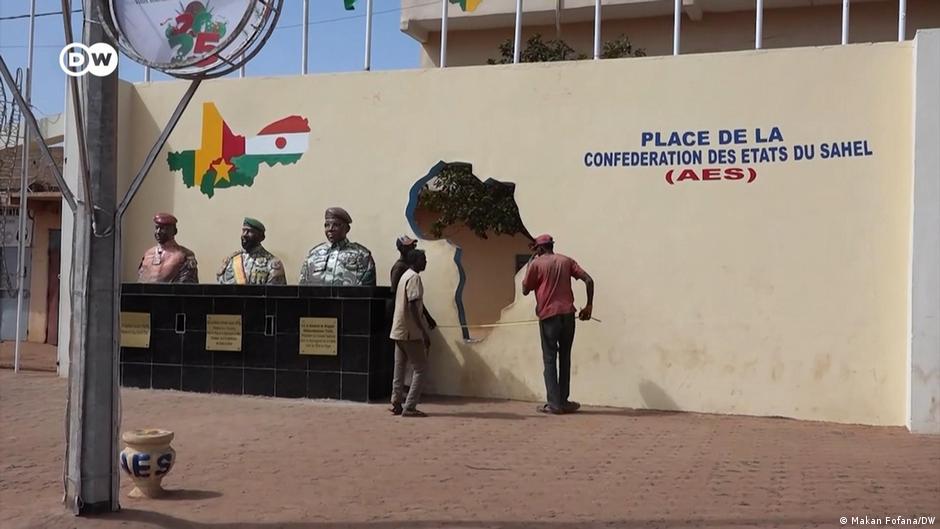
The Togo has unveiled its updated strategy for the Sahel region, positioning itself as a potential mediator between militarized governments in Mali, Niger, and Burkina Faso—all facing escalating jihadist threats—and the broader international community. According to Robert Dussey, Togo‘s Foreign Minister, this second phase of the country’s Sahel strategy is a response to the region’s growing instability driven by terrorism.
Three key pillars to enhance regional security
Togo‘s revised strategy is built on three foundational pillars:
- Strengthening regional cooperation: Ensuring collective efforts to maintain peace and stability across West Africa.
- Mediation and peace facilitation: Taking a proactive role in creating conditions conducive to dialogue and conflict resolution.
- Supporting political normalization: Assisting countries with recent military takeovers in restoring democratic governance.
Jean Emmanuel Gnagnon, a lecturer and governance expert at the University of Lomé, highlights Togo‘s progress: “The country has successfully limited the spread of armed groups and prevented long-term terrorist cells from establishing themselves. Compared to neighboring nations, Togo has demonstrated resilience against external threats.”
While acknowledging that previous measures did not fully resolve the crisis, Gnagnon notes they provided critical breathing space for Togo to bolster its defenses.
Mixed reactions to Togo’s diplomatic efforts
Not all analysts share Gnagnon’s optimism. Madji Diabakaté, a political scientist, compares Togo‘s ambitions to “a frog attempting to match the size of an ox”. He argues that despite Togo‘s diplomatic initiatives, the core issues of insecurity and democratic backsliding in the Sahel remain unresolved. Diabakaté also criticizes Togo for allegedly undermining the Economic Community of West African States (ECOWAS) by aligning with countries that triggered regional instability.
Domestic skepticism is equally pronounced. Many Togolese citizens believe their government should prioritize stabilizing its own political landscape before intervening in neighboring disputes. However, Robert Dussey maintains that Togo continues to foster constructive relationships with regional and global partners, emphasizing shared interests as a cornerstone of its diplomacy.


 Boureima Amadou