Boureima Amadou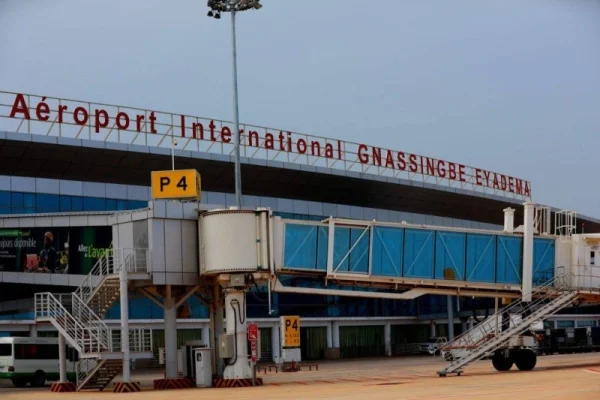
The opening of Biashara Afrika 2026 in Lomé this week served as a stark reminder of the continent’s integration paradox: grand pledges of continental unity crash headfirst into the reality of border bureaucracy.
As African leaders and business elites gathered under the banner of the African Continental Free Trade Area (AfCFTA), an incident at Gnassingbé Eyadéma International Airport exposed the gap between policy and practice. Two high-profile investors—one from Nigeria, the other from Ghana—were denied entry on arrival, despite holding passports from ECOWAS member states, where free movement has been policy since the 1970s.
When a European passport trumps an African one at home
The irony was not lost on Dr. Jumoke Oduwole, Nigeria’s Minister of Industry, Trade and Investment, who recounted the incident during a keynote address. The two investors, arriving fresh from Europe, were told their national passports were insufficient for entry. Only after producing European passports—and securing a 24-hour visa—were they allowed to proceed.
In a candid assessment, Dr. Oduwole framed the situation as a litmus test for investor confidence: “One of them—a financial services investor—told me he would not consider doing business here. We hadn’t even left the airport, and his decision was already made. In Europe, such a scenario—an African needing a visa within the EU—would never arise.”
The episode underscores a troubling reality: within Africa, free movement remains aspirational rather than operational. While citizens of the continent navigate border checks, investors from outside the continent often face fewer hurdles—provided they carry a non-African passport.
Bureaucracy overshadows integration ambitions
Biashara Afrika, billed as a platform to dismantle non-tariff trade barriers, found itself confronting one of the continent’s most persistent obstacles: administrative friction at entry points. The incident at Lomé Airport sent a ripple effect through the forum, with delegates questioning whether the AfCFTA—promising a single market of 1.4 billion consumers and a combined GDP of $3.4 trillion—can ever fulfill its promise amid such inconsistencies.
An Ivorian economist present at the event remarked, “This is a wake-up call. Without free movement of people, the AfCFTA remains an empty shell.” A Ghanaian entrepreneur added, “If investors must flash a European passport to do business in Africa, then integration is just a slogan.”
Faure Gnassingbé’s 48-hour ultimatum
Faced with the embarrassment of a high-profile forum descending into bordergate drama, President Faure Gnassingbé broke protocol with a decisive response. Minutes after Dr. Oduwole’s remarks, he summoned the Minister of Security and issued a public deadline: “I instruct the Minister of Security to resolve this anomaly within 48 hours.”
The directive—delivered with military precision—signals a rare moment of urgency in African governance. By Wednesday, the closing day of the forum, the minister is expected to have overhauled entry protocols at Lomé Airport, or risk further erosion of the country’s reputation as a regional logistics and finance hub.
The message is clear: the AfCFTA cannot thrive when its own members erect barriers at the gate. Whether the 48-hour mandate will translate into lasting change remains to be seen, but the incident has already etched a cautionary tale into the annals of Africa’s integration journey—a tale of how a single misplaced stamp can cost millions in lost investment and credibility.