Mariama Hamani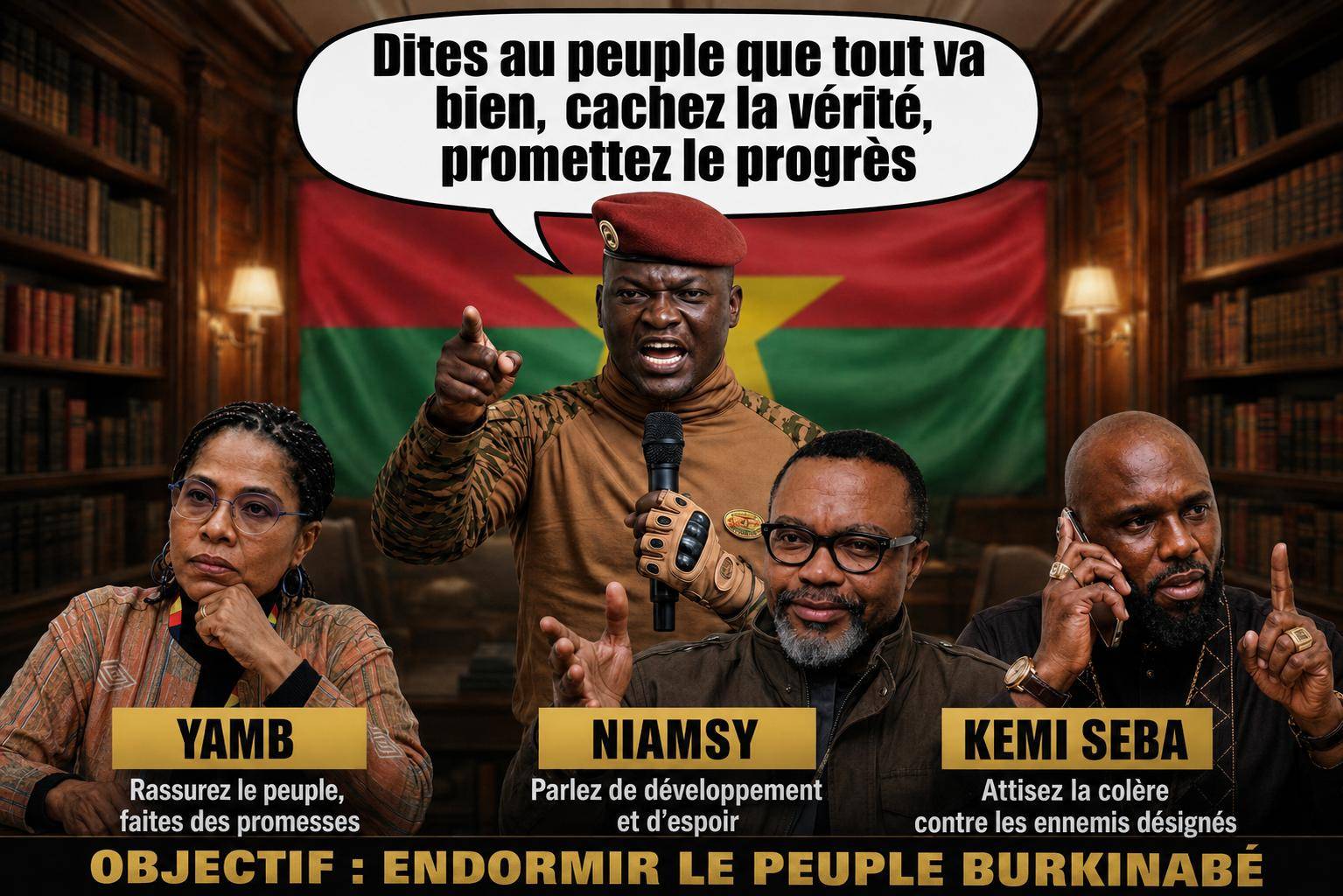
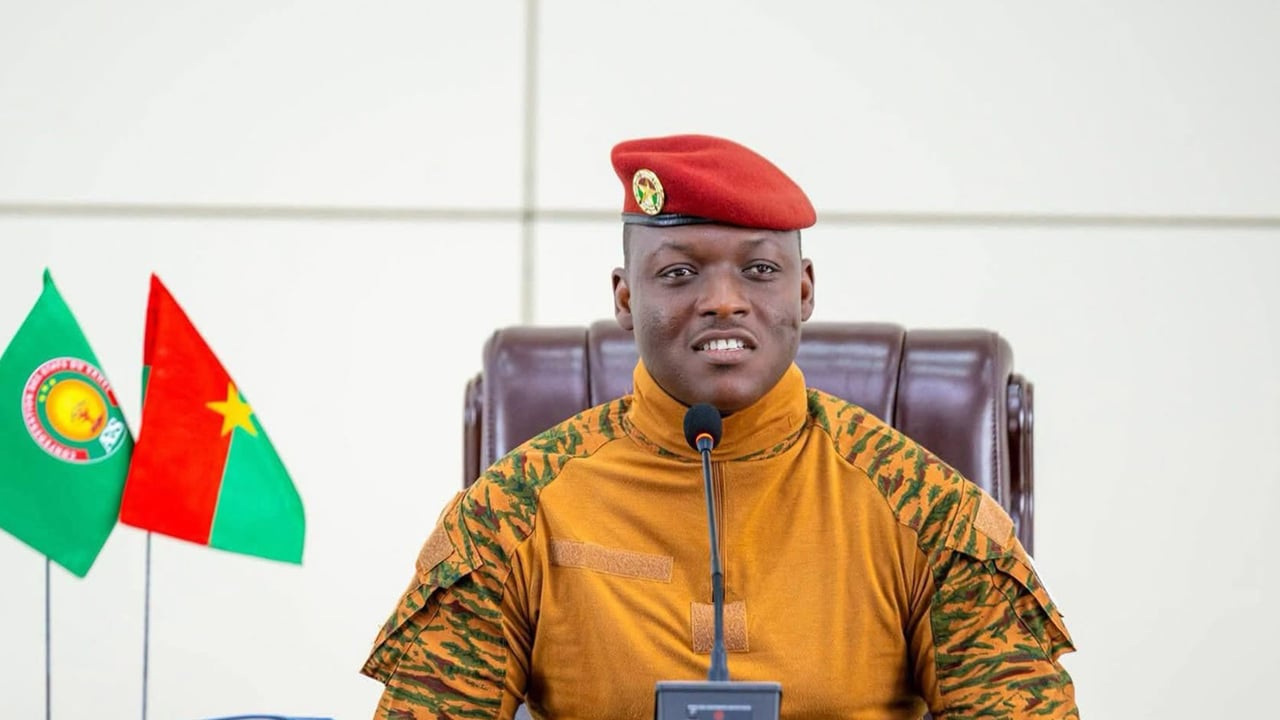
Since assuming leadership, Captain Ibrahim Traoré has emerged as a prominent figure in Africa’s sovereignist movement. Through aggressive public relations campaigns and pervasive social media engagement, Burkinabè authorities are striving to persuade both domestic and international audiences that the nation is undergoing a profound economic resurgence.
This narrative is enthusiastically amplified by a network of influencers and pan-African activists, including prominent voices such as Nathalie Yamb, Franklin Nyamsi, and Kemi Seba. These individuals, who maintain active digital platforms, consistently portray Burkina Faso as a pioneering model of development, one that has successfully severed ties with historical external dependencies.
Yet, a growing cohort of economists, independent analysts, and dissenting commentators argue that certain official declarations warrant closer scrutiny. They contend that several proclaimed achievements are more indicative of a political communication strategy than of tangible, structural economic progress.
Proponents of the current administration frequently cite accelerated industrialization, revitalization of domestic production, expansion of processing facilities, restored economic sovereignty, and exceptional growth rates as evidence of success. Critics, however, point out that numerous projects presented as new initiatives were already in development prior to the political transition. Others remain at the proposal stage with no verifiable outcomes, or lack sufficient documentation to substantiate their impact.
The regime and its media allies are also accused of prioritizing symbolic victories and triumphant narratives over addressing Burkina Faso’s enduring challenges in security, humanitarian conditions, and social welfare.
Another contentious issue is the financing of national priorities. In line with the authorities’ call for patriotic mobilization, a 1% levy on the incomes of certain workers and additional contributions have been introduced to fund state-led initiatives. While supporters view these measures as a demonstration of national solidarity amid extraordinary circumstances, trade unions, civil society organizations, and independent observers are demanding greater transparency regarding the collection and allocation of these funds.
These critics maintain that citizens are entitled to clear, detailed information about the amounts collected, their designated uses, and the measurable results achieved through these contributions. They advocate for the regular publication of comprehensive reports and the conduct of independent audits to ensure full financial accountability and rebuild public trust.
Further skepticism surrounds the accuracy of certain statistics disseminated through official channels and social media. Claims that Burkina Faso has voluntarily relinquished over one billion dollars in foreign aid in the name of sovereignty are disputed, with critics asserting that such portrayals distort reality. They emphasize that international partners, including Japan, continue to provide financial support through development and assistance programs amounting to billions of West African francs. To these observers, such realities contradict the narrative of a complete break from international donors that is often promoted by regime supporters.
For opponents, these inconsistencies underscore broader concerns about the credibility of the government’s economic messaging and its persistent portrayal of Burkina Faso as an emerging economic model, despite persistent hardships faced by its citizens.
This analysis examines how the story of a so-called economic miracle has been constructed, the role of digital advocacy networks in shaping public perception, and the alignment—or lack thereof—between the projected image and the lived economic and social realities of the Burkinabè population.
Beyond the specific case of Burkina Faso, this debate raises a fundamental question: how can we distinguish between political communication, ideological mobilization, and objective assessment of public policy outcomes?

 theafricantribune
 Boureima Amadou