Mariama Hamani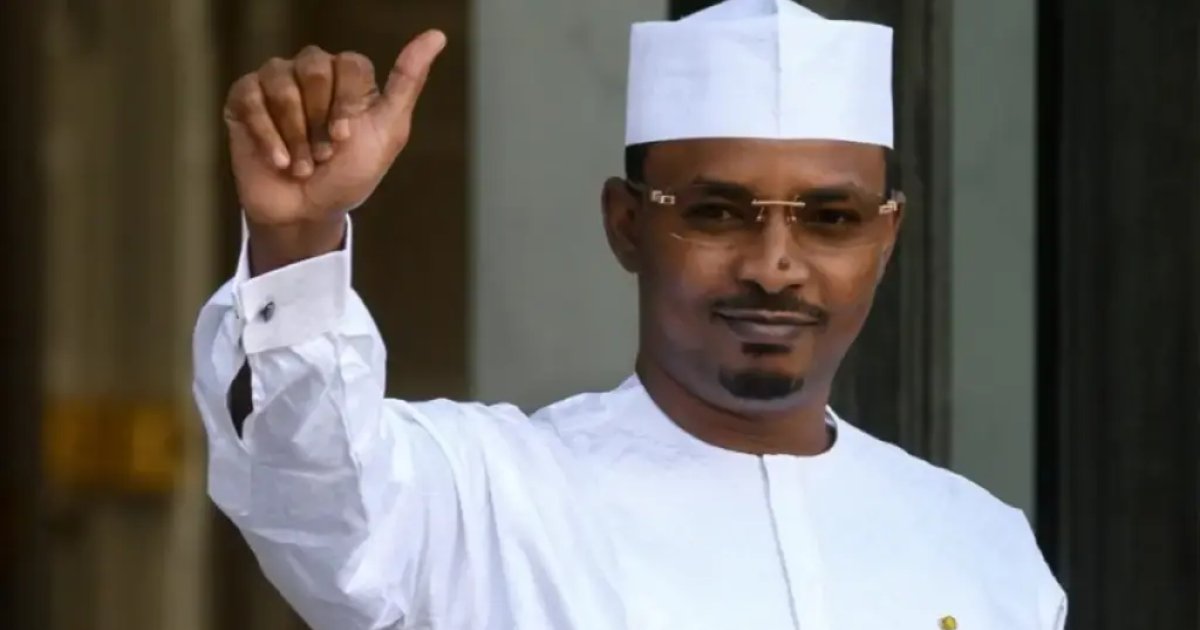
Tchad’s political climate shifts with Mahamat Idriss Déby’s pardon announcement
As Chad marks its 66th independence anniversary, President Mahamat Idriss Déby Itno has declared his intent to exercise his presidential pardon powers. While the specifics remain undisclosed, the announcement has sparked intense speculation about the fate of key opposition figures—most notably former Prime Minister Succès Masra.
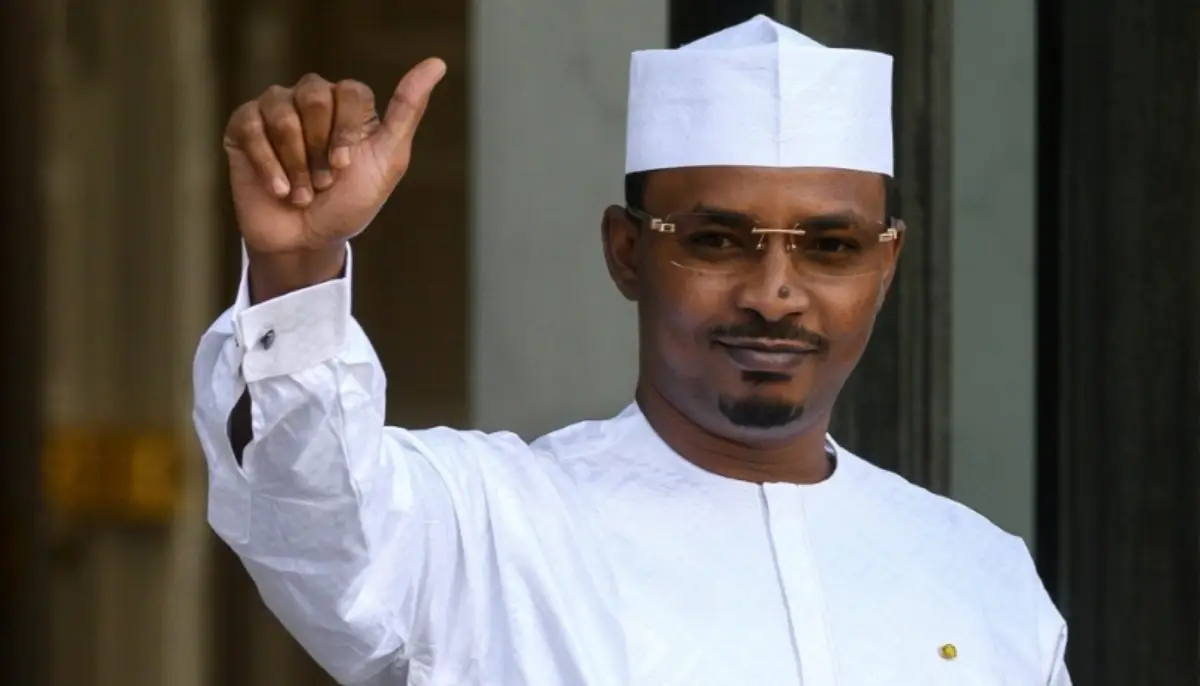
In a nationally televised address, the president framed the potential pardon as part of broader efforts toward national unity and reconciliation. The actual impact will hinge on an upcoming decree that must clarify which individuals qualify for reduced or suspended sentences—and whether this gesture carries deeper political implications.
Succès Masra: A pivotal figure in the pardon debate
At the heart of the discussion is Succès Masra, leader of the Transformers party and former Prime Minister. His 2025 conviction to a 20-year prison term—following a controversial verdict on charges including hate speech and conspiracy to commit murder—has become a focal point for opposition demands. The Supreme Court’s rejection of his appeal in May 2026 made a presidential pardon the only remaining legal recourse.
His party has long advocated for amnesty instead, arguing it would offer a more comprehensive political resolution. While a pardon would offer immediate relief, amnesty would erase the legal consequences of his conviction entirely—a distinction that could determine his future political viability.
As of now, it remains unclear whether Masra is among those considered for clemency.
Broader opposition calls for political détente
The pardon announcement arrives amid escalating pressure from the Coalition to Save Democracy in Chad (COSADT), formed in January 2026. The coalition has repeatedly urged dialogue and the release of what it terms “political prisoners,” framing the situation as a crisis of trust between authorities and opposition forces.
Chad’s recent decision to withdraw from the Rome Statute—scheduled to take effect in July 2027—has further complicated matters. While the opposition seeks to reverse or delay this move, the government emphasizes institutional stability and adherence to judicial procedures.
The upcoming decree will reveal whether the pardon is a symbolic gesture of national unity or a strategic concession to ease political tensions. Should figures like Masra be included, it could mark one of the most significant conciliatory steps since the end of the transitional period.

 Boureima Amadou