Mariama Hamani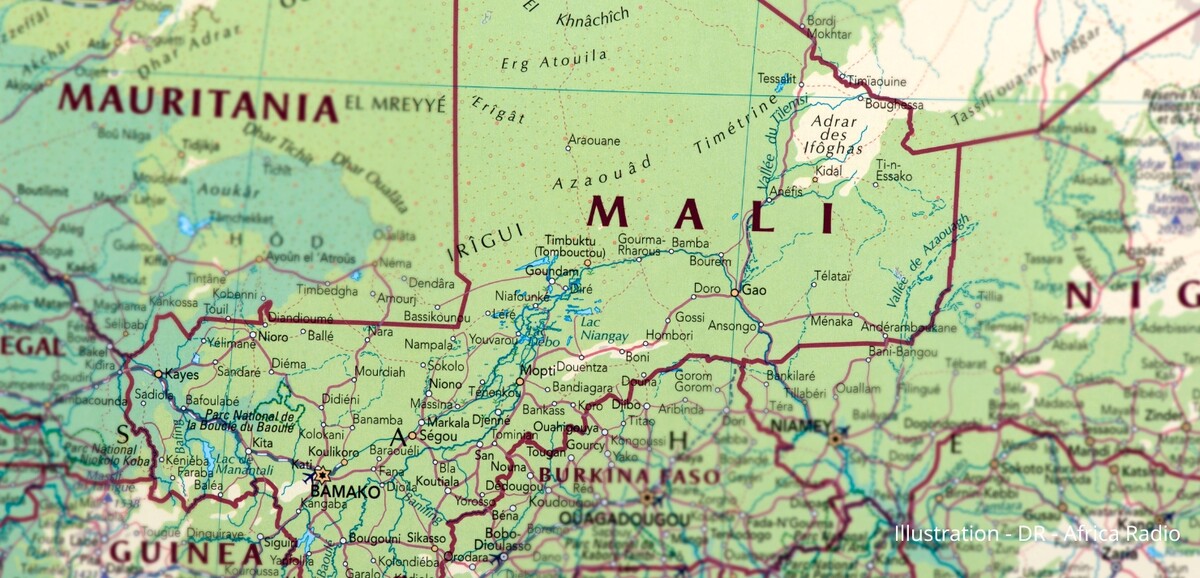
Mali’s north and centre hit by fresh violence, displacing thousands
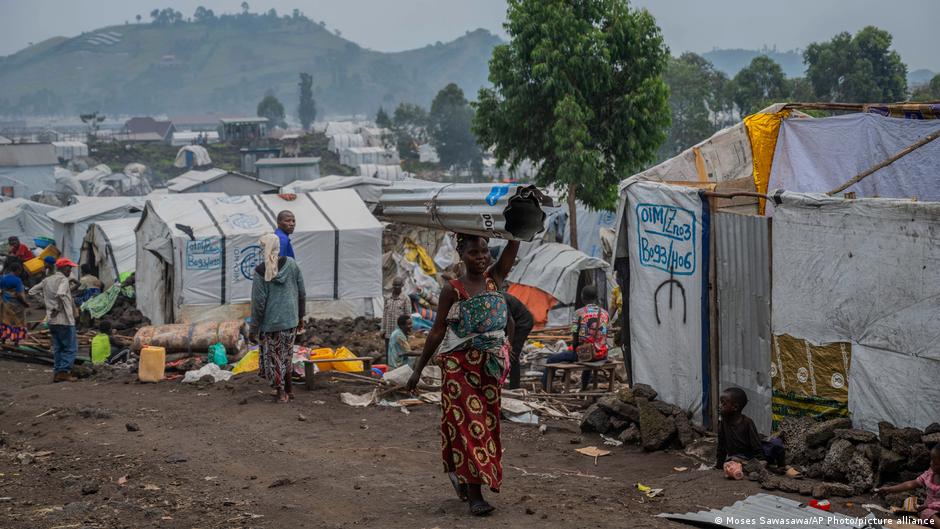
Since late April, a surge in clashes and aerial bombardments has forced tens of thousands of Malians to abandon their homes in search of safety. Cities like Gao and Ménaka have become temporary shelters for many of these displaced families.
Kidal: the epicentre of renewed hostilities
A coalition of armed groups, including jihadists from the Group for the Support of Islam and Muslims (JNIM) and separatists from the Azawad Liberation Front (FLA), has launched a major offensive in northern Mali. The strategic city of Kidal fell under their control, triggering a wave of intensified fighting in surrounding areas such as Anéfis. For local residents, this resurgence of violence has meant repeated displacements, abandoned villages, and increasingly limited access to vital services like healthcare and education.
In the past two weeks, the Malian army has stepped up airstrikes in regions near Kidal, particularly around Tinzawatene. Reports indicate that some of these bombardments have damaged health facilities, further exacerbating the crisis. While the exact extent of the destruction remains unverified due to restricted access, the impact on civilians is undeniable—more families are fleeing combat zones, seeking refuge in already overstretched urban centres.
Gao and Ménaka: strain on already fragile resources
The arrival of nearly 40,000 displaced individuals in Gao and Ménaka has stretched local authorities and humanitarian organisations to their limits. Many of these families originate from Kidal, where conditions have deteriorated sharply since late April. Their immediate needs—shelter, food, clean water, medical care, and support for children—are immense, especially as Mali already hosts over 400,000 internally displaced persons. Aid workers warn that this latest wave of displacement could push an already fragile humanitarian situation in the north and centre of the country into deeper crisis.
A local official in Gao estimates that more than 7,000 people have arrived in the city over the past three months alone. The overall scale of this displacement, described by observers as unprecedented in recent years, underscores the urgent need for coordinated response efforts.
Decade-long security crisis takes new toll on civilians
Mali has grappled with a deepening security crisis since 2012, driven by the expansion of jihadist groups linked to Al-Qaeda and the Islamic State, as well as armed community and separatist factions. Following two military coups in 2020 and 2021, transitional authorities prioritised territorial control and security restoration. However, the recent escalation reveals the persistent challenges of stabilising the region.
Northern communities, already displaced multiple times in recent years, are once again forced onto the road, fleeing violence that shows no signs of abating. For cities like Gao and Ménaka, the immediate challenge is to provide refuge without adequate resources. For those still in conflict zones, a pressing question lingers: how much longer can they remain in their homes before being uprooted again?

 Boureima Amadou