Mariama Hamani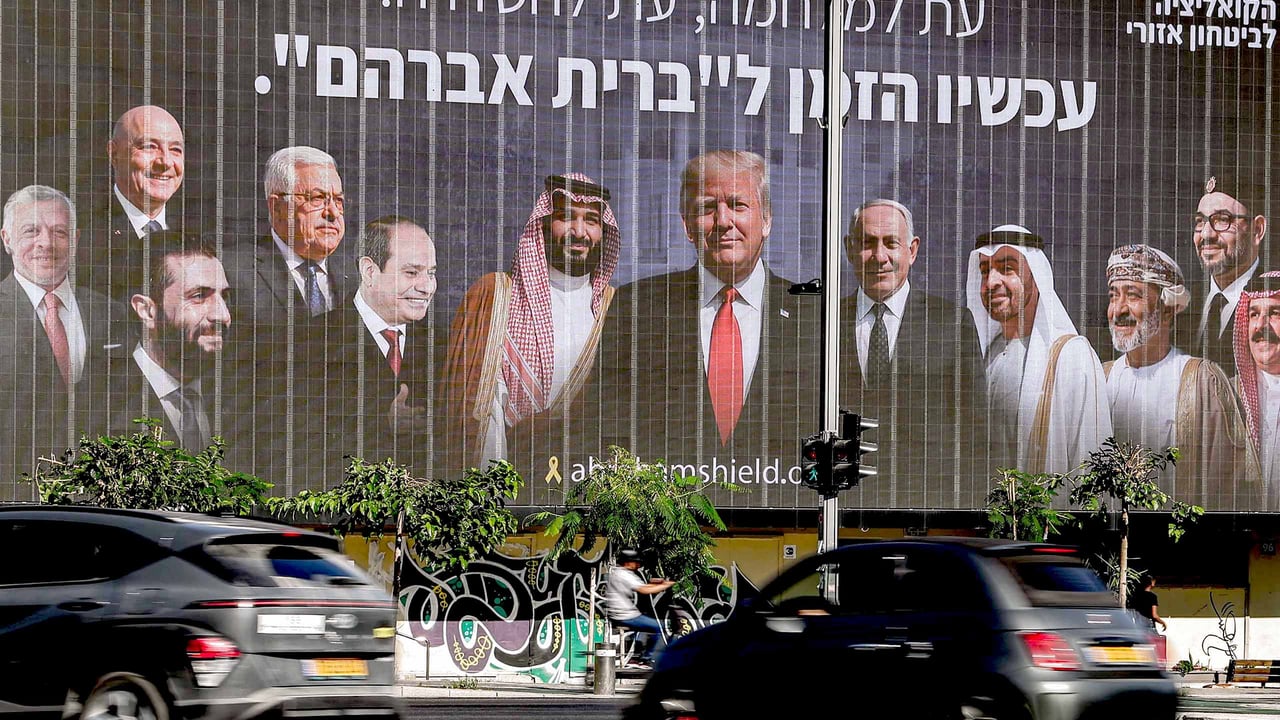
The relationship between Morocco and the United States has evolved into a robust strategic alliance, marked by deepening military cooperation and high-level diplomatic engagements. This partnership, rooted in decades of mutual interests, has gained unprecedented momentum in recent years, reshaping geopolitical dynamics in the region.
A legacy of cooperation strengthened under new frameworks
The foundation of this enduring bond was laid during the reign of King Hassan II, whose visionary leadership fostered close ties with Washington. Today, under the leadership of King Mohammed VI, these ties have expanded into a comprehensive collaboration spanning security, trade, and regional stability.
The most significant development in this alliance has been Morocco’s full integration into the Middle East Strategic Alliance, a framework spearheaded by the United States to enhance collective defense and economic resilience in the region. This move underscores Rabat’s strategic importance as a key partner in U.S. foreign policy objectives.
Military collaboration at the heart of the partnership
One of the cornerstones of this relationship is the defense cooperation agreement, which has seen substantial investments in joint military exercises, intelligence sharing, and arms procurement. American support has bolstered Morocco’s defense capabilities, particularly in counterterrorism operations and border security, aligning with shared security priorities.
The U.S. has also played a pivotal role in modernizing Morocco’s armed forces, providing advanced weaponry and training programs. These efforts have not only strengthened Morocco’s defense posture but also reinforced its role as a stabilizing force in North Africa.
Economic ties driving mutual growth
Beyond security, the economic dimension of this partnership has flourished. The U.S. remains one of Morocco’s largest trading partners, with bilateral trade volumes exceeding billions annually. Key sectors such as agriculture, automotive, and renewable energy have benefited from increased investment flows and preferential trade agreements.
The Millennium Challenge Corporation, a U.S. government initiative, has further fueled economic development in Morocco by funding large-scale infrastructure projects. These investments have improved connectivity, enhanced energy efficiency, and created thousands of jobs, contributing to sustainable growth.
Diplomatic synergy on global issues
Morocco and the U.S. have also aligned closely on international platforms, advocating for shared values such as peace, stability, and human rights. The two nations have collaborated on initiatives aimed at combating extremism, promoting democratic governance, and advancing economic prosperity across the African continent.
In the realm of regional diplomacy, Morocco’s recognition of the Sahrawi autonomy plan has been a pivotal moment, aligning with U.S. efforts to broker a lasting solution to the decades-old conflict. This convergence of interests has further solidified their strategic partnership.
Future prospects: a partnership poised for growth
Looking ahead, the Morocco-U.S. alliance is expected to deepen even further, with new avenues for cooperation emerging in technology, renewable energy, and cybersecurity. Joint ventures in these sectors could unlock unprecedented opportunities for both nations, driving innovation and economic diversification.
The strategic alignment between Rabat and Washington remains a cornerstone of stability in the region, offering a model for other nations seeking to balance security and development. As global challenges evolve, this partnership will continue to play a defining role in shaping the geopolitical landscape of North Africa and beyond.


 Boureima Amadou