Boureima Amadou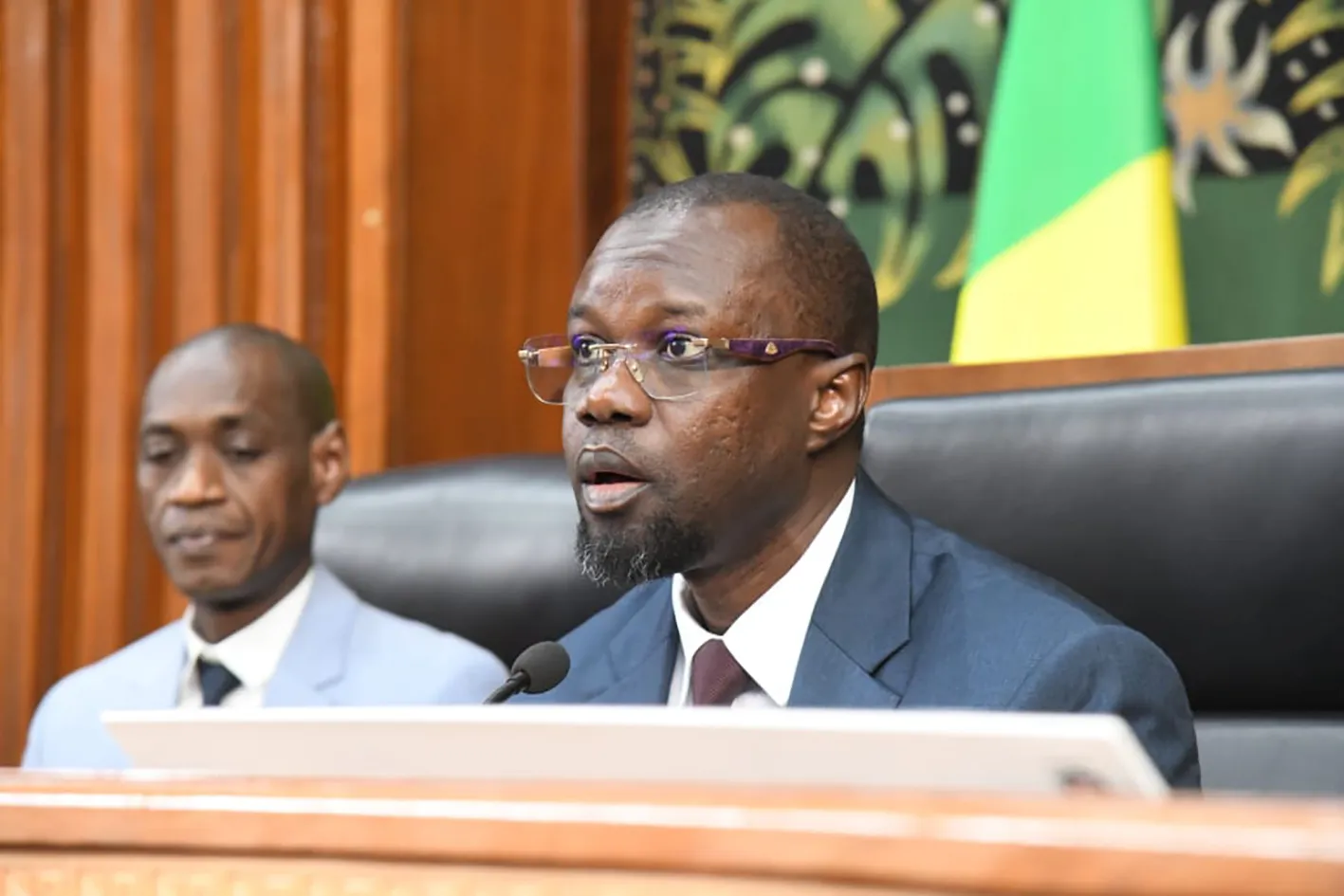
In a decisive response to escalating political rumors, Ousmane Sonko, Speaker of Senegal’s National Assembly, has categorically refuted claims of issuing an ultimatum to the President of the Republic. Addressing lawmakers during a plenary session on labor and social security codes, Sonko dismissed allegations of institutional tension as baseless, emphasizing the procedural integrity of the ongoing constitutional reform.
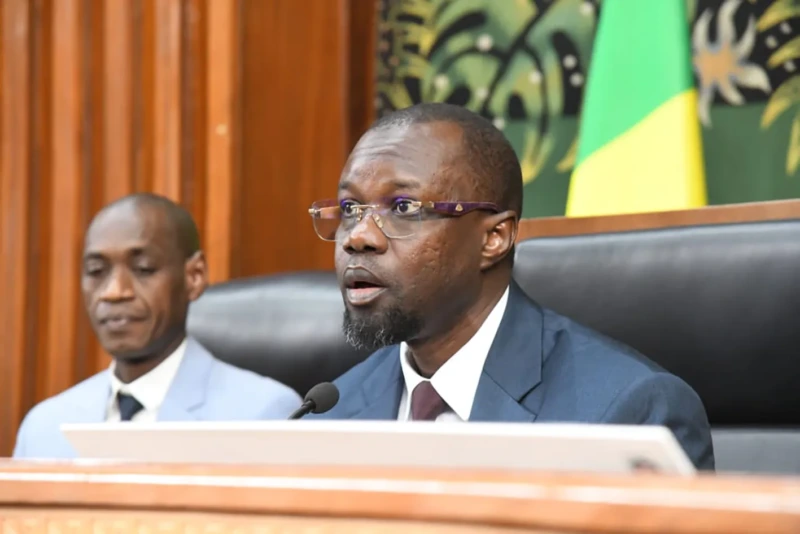
« This is false. No ultimatum was ever directed at the President, » Sonko declared, shutting down speculation about a standoff between the legislative and executive branches. His remarks came as he outlined the Assembly’s constitutional mandate to advance a reform bill, framed within strict legal boundaries. « Our actions are fully compliant with constitutional provisions, » he affirmed, rejecting any interpretation of coercion or confrontation.
clarifying the parliamentary process
Sonko underscored that the reform process operates under the derived constituent power, a mechanism enshrined in the Constitution and reinforced by the Constitutional Council’s jurisprudence. Citing the Council’s January 18, 2006 ruling, he highlighted the Assembly’s authority to initiate revisions provided a three-fifths majority is secured—a threshold he described as both legally sound and procedurally sound.
Dismantling claims of a systemic crisis, the Speaker insisted that Senegal’s institutions are functioning as intended. « There is no crisis at the highest level of the State, » he stated, describing the current dynamic as a « dialogue among powers » rather than a clash. Each branch, he argued, must exercise its prerogatives without encroaching on the others, under the Council’s oversight.
legal clarity over political rhetoric
Sonko’s rebuttal extended to political narratives suggesting a power struggle. He dismissed assertions that the Assembly’s initiative amounted to an overreach or an attempt to pressure the executive. « Those who anticipated a rupture at the summit of the State can look elsewhere, » he remarked, signaling the continuation of the reform process regardless of the executive’s formal stance.
The Speaker concluded by reaffirming the Assembly’s commitment to constitutional rigor, asserting that the reform would proceed according to established rules—whether or not the executive renders an opinion. For Sonko, the priority remains institutional stability and adherence to the Constitution’s mechanisms.