Mariama Hamani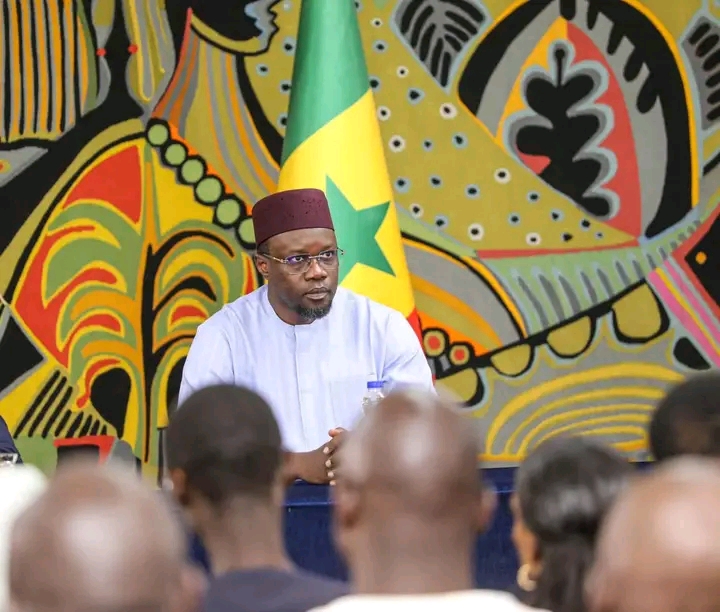
Listen now
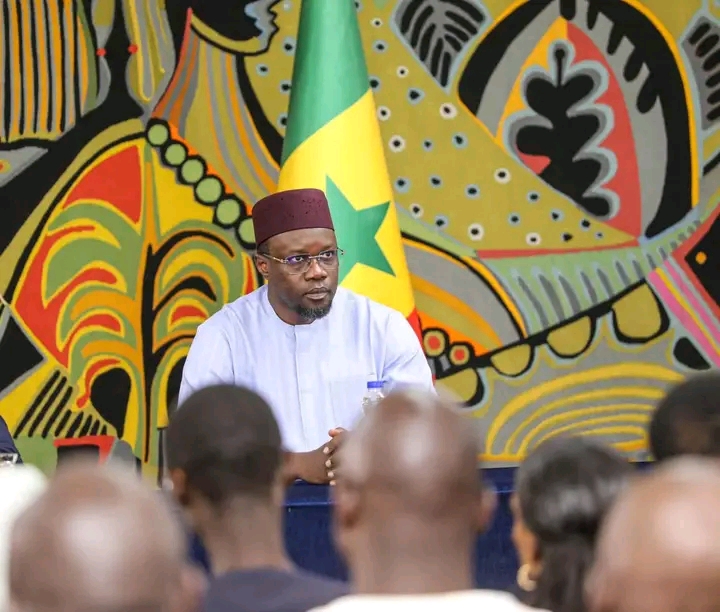
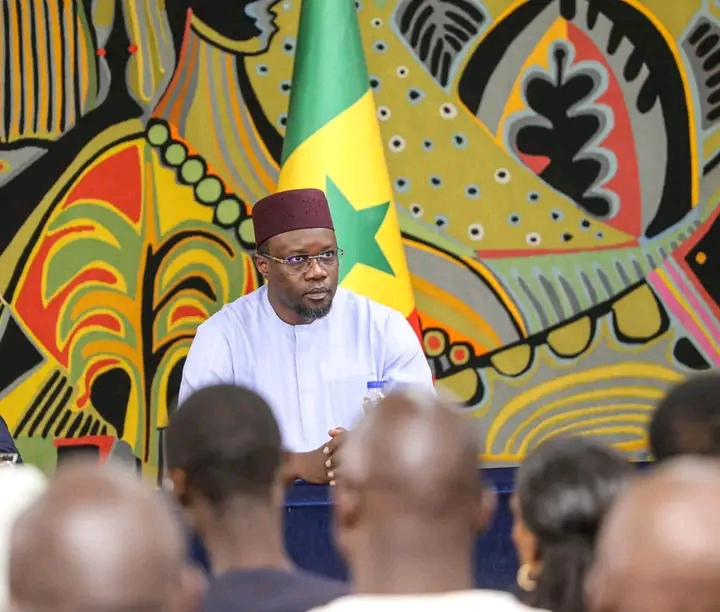
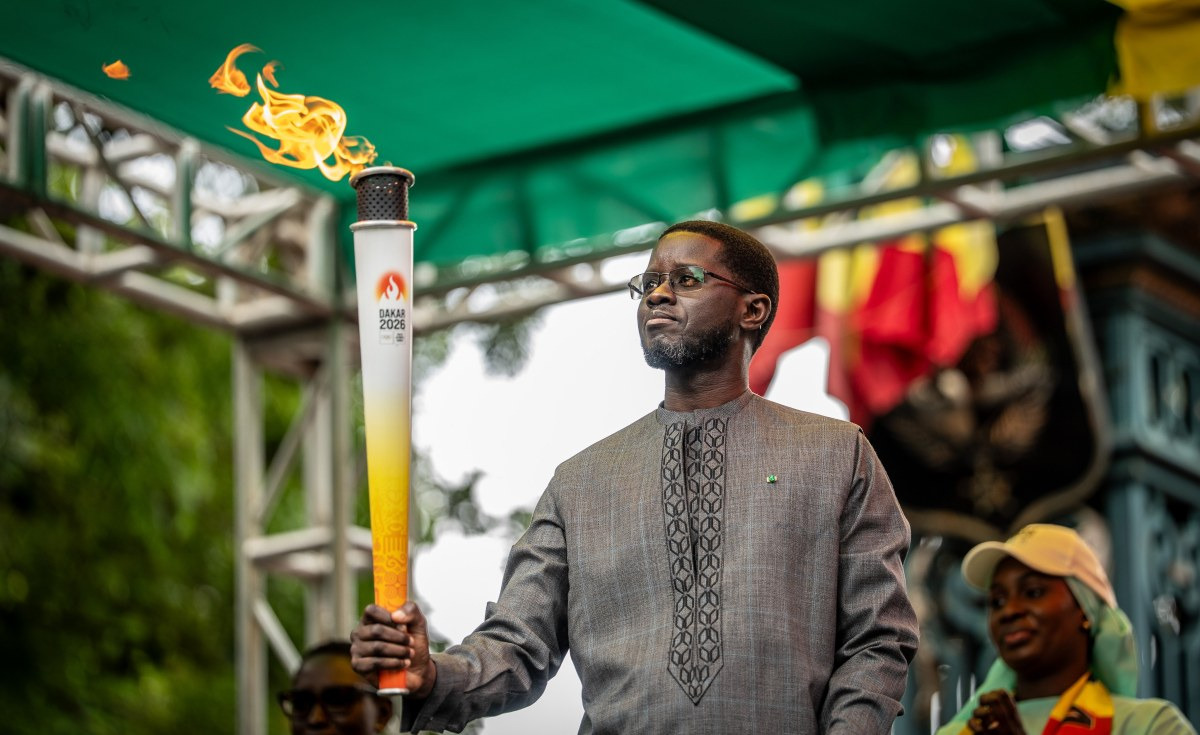
In Senegal, Prime Minister Ousmane Sonko convened an interministerial council on Thursday, May 21st, where he unequivocally conveyed his profound indignation regarding the handling of various critical files. The head of government once again leveled serious accusations against the former administration of Macky Sall, alleging widespread prevarication and mismanagement of public resources.
“The realities defy comprehension,” Sonko declared following the presentation of an audit detailing Senegal’s public assets and infrastructure. The inventory, unveiled by the Prime Minister’s office, reveals a staggering 245 infrastructure projects and strategic assets that are either stalled, incomplete, or severely underutilized. The cumulative financial implication of these issues is estimated to exceed 5,000 billion FCFA, a sum comparable to Senegal’s entire annual national budget. “Some even suggest this figure mirrors our national public debt,” the Prime Minister lamented, condemning it as “nothing short of pure and simple waste.”
Adding to the concerning findings, out of 94 construction sites currently active across the nation, 62 have effectively come to a standstill. These dormant initiatives have already consumed over 5,227 billion FCFA. Prime Minister Sonko expressed particular shock over the Sandiara high school project, which commenced in 2014 and remains unfinished to this day. “Twelve years to construct a single high school is an absolute aberration,” he exclaimed with visible frustration.
Sonko’s unwavering stance on accountability and justice
During the council, the head of government seized the opportunity to directly criticize the judicial system. He accused it of shielding powerful figures, often referred to as ‘barons,’ from the previous administration, who are allegedly responsible for widespread embezzlement of public funds. This highlights a critical challenge in African governance.
“Sometimes, I harbor serious doubts,” Ousmane Sonko confessed, reflecting on the situation. “I question whether it is truly worth continuing. In this nation, individuals can seemingly commit any transgression and still benefit from robust protection. The underlying system remains fundamentally unchanged.” He went further, suggesting the presence of alleged “judicial sabotages” potentially involving certain magistrates. Sonko emphasized that “these cases do not belong to the magistrates; they belong to the people,” before issuing a warning that he intends to “raise the tone” significantly in the coming weeks to ensure accountability for public funds.
“The realities defy comprehension,” Sonko declared following the presentation of an audit detailing Senegal’s public assets and infrastructure. The inventory, unveiled by the Prime Minister’s office, reveals a staggering 245 infrastructure projects and strategic assets that are either stalled, incomplete, or severely underutilized. The cumulative financial implication of these issues is estimated to exceed 5,000 billion FCFA, a sum comparable to Senegal’s entire annual national budget. “Some even suggest this figure mirrors our national public debt,” the Prime Minister lamented, condemning it as “nothing short of pure and simple waste.”
Adding to the concerning findings, out of 94 construction sites currently active across the nation, 62 have effectively come to a standstill. These dormant initiatives have already consumed over 5,227 billion FCFA. Prime Minister Sonko expressed particular shock over the Sandiara high school project, which commenced in 2014 and remains unfinished to this day. “Twelve years to construct a single high school is an absolute aberration,” he exclaimed with visible frustration.
Sonko’s unwavering stance on accountability and justice
During the council, the head of government seized the opportunity to directly criticize the judicial system. He accused it of shielding powerful figures, often referred to as ‘barons,’ from the previous administration, who are allegedly responsible for widespread embezzlement of public funds. This highlights a critical challenge in African governance.
“Sometimes, I harbor serious doubts,” Ousmane Sonko confessed, reflecting on the situation. “I question whether it is truly worth continuing. In this nation, individuals can seemingly commit any transgression and still benefit from robust protection. The underlying system remains fundamentally unchanged.” He went further, suggesting the presence of alleged “judicial sabotages” potentially involving certain magistrates. Sonko emphasized that “these cases do not belong to the magistrates; they belong to the people,” before issuing a warning that he intends to “raise the tone” significantly in the coming weeks to ensure accountability for public funds.
Follow updates :


 Boureima Amadou