Boureima Amadou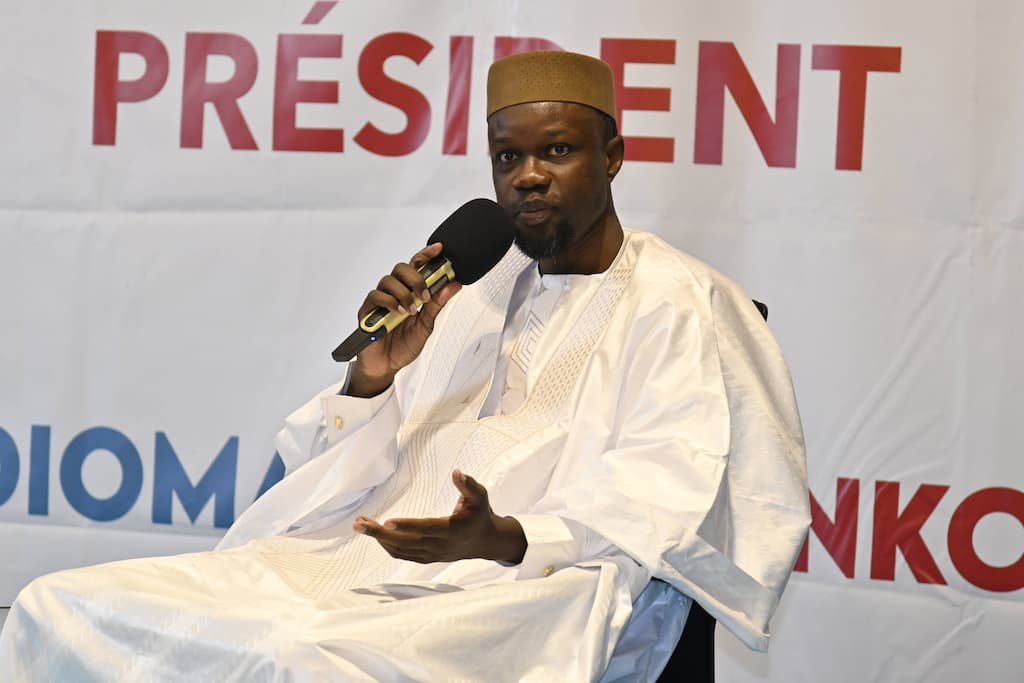
The debate over homosexuality in Senegal has intensified after Prime Minister Ousmane Sonko publicly rejected what he described as Western attempts to impose same-sex relations on African societies. Speaking before lawmakers on May 22, Sonko condemned the pressure as a form of cultural imperialism, warning that no concessions would be made on the country’s legal stance.
The Senegalese government recently amended its penal code, doubling the penalties for same-sex relations. Under the new law, individuals convicted of homosexual acts now face between five and ten years in prison, following the president’s signature in late March. The move comes amid heightened social tensions and a series of arrests linked to alleged homosexuality in recent months.
Sonko accuses the West of cultural domination
During his parliamentary address, Sonko did not mince his words. He referred to Western pressure as a form of tyranny, questioning the moral authority behind such demands. «There is a kind of tyranny at play,» he declared, arguing that a small group of Western nations, driven by their media influence and economic power, seeks to reshape global values to align with their own.
The Prime Minister singled out France, pointing to what he called excessive rhetoric from Western capitals. «If they have chosen these practices, that’s their concern,» he asserted. «But we will not accept lessons from anyone, absolutely not.»
No retreat on Senegal’s legal framework
Sonko contrasted the vocal criticism from Western governments with the silence from other regions, including Asia, Africa, and the Arab world. He accused the West of attempting to impose its cultural norms on the rest of the globe. «They want to force their diktat, their culture, their civilization upon us,» he stated.
The Prime Minister made it clear that Senegal would not consider a moratorium on the enforcement of the new law. In fact, he suggested that the penalties could be made even stricter. «If the law needs to be reinforced, it will be,» he declared firmly before the assembled lawmakers.