Boureima Amadou
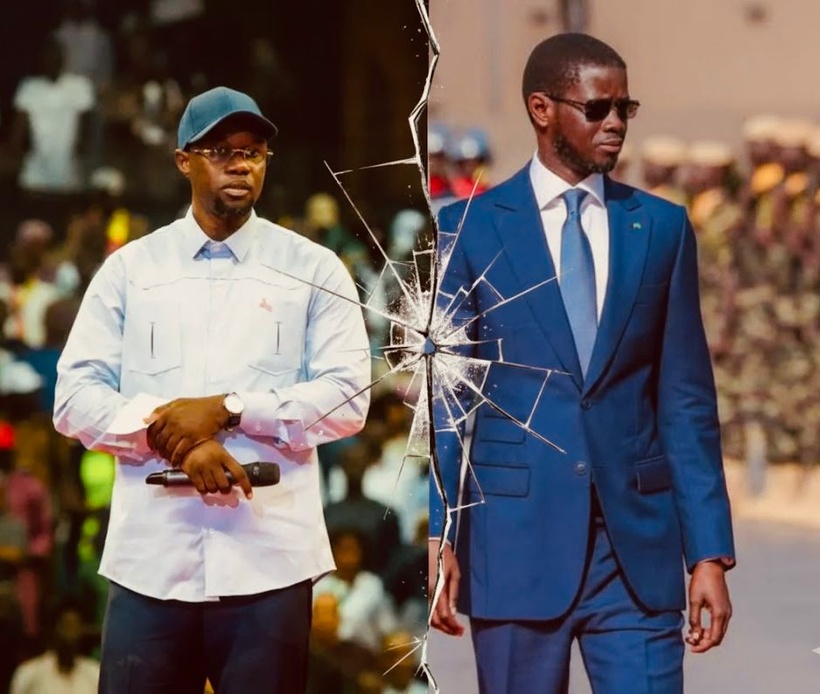
Senegal’s political landscape shaken as Ousmane Sonko and Bassirou Diomaye Faye sever ties
Senegal is bracing for a decisive political showdown as President Bassirou Diomaye Faye and opposition leader Ousmane Sonko officially confirm their rupture, marking a seismic shift in the country’s leadership. The breakup, rooted in their ousted roles and divergent political visions, underscores a turning point for Senegal’s fragile political cohesion.
Ousmane Sonko, former Prime Minister and leader of the Pastef party, has categorically denied any contact with the president since his dismissal in June 2026. In a statement posted on social media, he addressed rumors of covert meetings, declaring, « Those claiming we meet in secret are gravely mistaken. » Sonko emphasized that politically, « the divorce is final. »
This public acknowledgment of the rupture signals a critical moment for Senegal, where the fallout could reshape the balance of power and redefine the nation’s political trajectory for years to come.
Sonko reaffirms Pastef’s strength amid speculation of internal fractures
The rupture between Sonko and Faye has sparked speculation about the stability of the Pastef party, particularly following reports of key officials resigning or being dismissed. However, Sonko dismissed these concerns, calling them « tempests in a teacup. »
He highlighted the party’s robust support among lawmakers, mayors, and local officials, stressing that Pastef’s strength lies in its institutional resilience and unwavering commitment of its members. « Pastef is not just a party; it is a movement built on principle and institutional might, » he stated. « We are stronger than the conglomerates of self-interest driving these narratives. »
The electoral showdown: a battle of public trust
Sonko also addressed rumors of dissent within Pastef, reaffirming the unity of elected officials and party leaders behind the movement. « There is no fracture here, only a united front, » he asserted. He warned of underhanded maneuvers targeting the party, urging vigilance among supporters. « If we had ignored the plots unfolding around us, the consequences would have been far worse, » he cautioned.
The former Prime Minister firmly shut the door on any reconciliation initiatives that might undermine the interests of Pastef militants. Instead, he placed the resolution of this political standoff squarely in the hands of Senegal’s voters. « The Senegalese people will decide our fate at the ballot box, and we are ready for that moment. We are not afraid of the urns, » he declared.
The turning point for Senegal’s democracy
This rupture represents more than a political disagreement; it is a turning point for Senegal’s democracy. With the country grappling with economic challenges and social tensions, the fallout from this rift could either forge a new path forward or deepen existing divisions. The public’s reaction to Sonko’s statements will be telling, as Senegalese citizens weigh the implications of this unprecedented split.
As the nation watches, the question remains: Will this be the catalyst for a stronger democratic process, or will it further polarize an already fragile political landscape? One thing is certain—Senegal stands at a crossroads, with the choices made in the coming months set to define its future for generations.


 Mariama Hamani