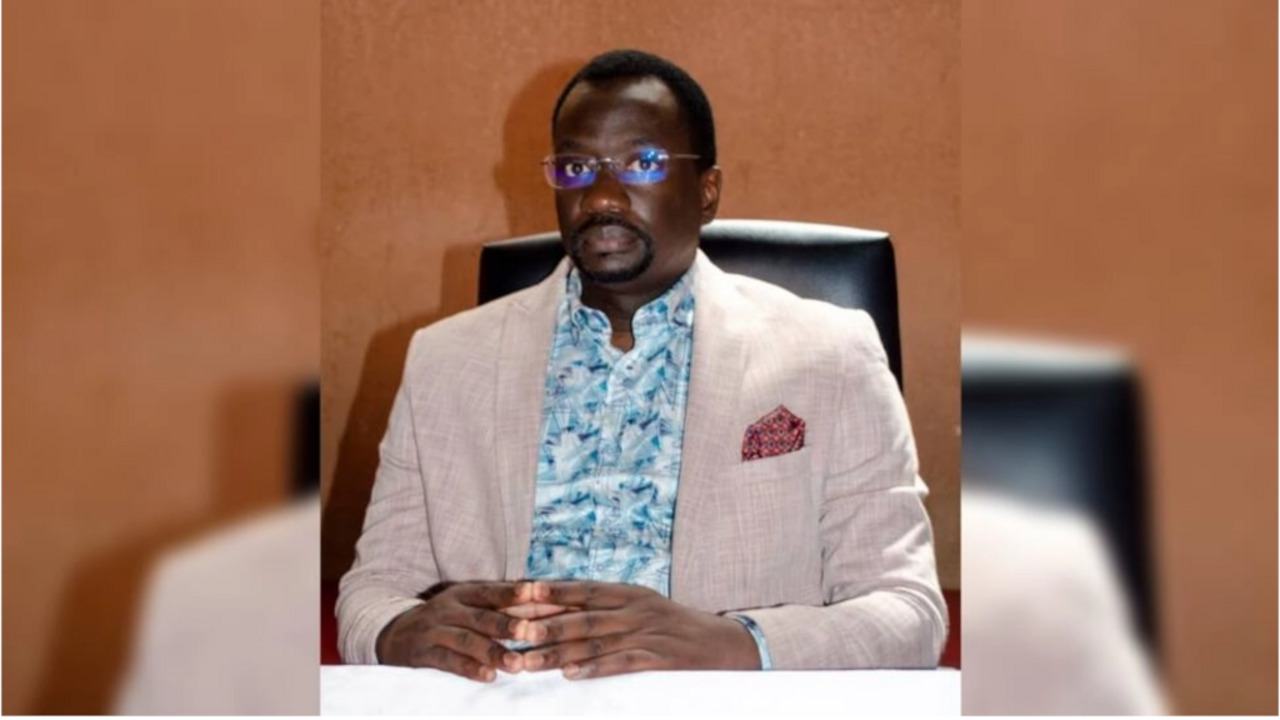
Boureima Amadou

As Senegal navigates its political future, the relationship between President Bassirou Diomaye Faye and his mentor, Prime Minister Ousmane Sonko, continues to shape the nation’s trajectory. Their dynamic reflects a delicate balance of influence, ambition, and strategic maneuvering in one of West Africa’s most pivotal democracies.
the shifting sands of Senegalese politics
Since assuming office, President Faye has sought to carve out his own identity while maintaining close ties with Sonko, whose political movement, Pastef, remains a dominant force. This delicate interplay raises questions about governance, succession, and the long-term vision for Senegal’s development.
key challenges ahead
The young administration faces pressing challenges, including economic reforms, social unrest, and the need to consolidate democratic gains. Observers note that Faye’s ability to assert independence while respecting Sonko’s legacy will be critical in shaping Senegal’s political landscape.
Meanwhile, Sonko’s continued prominence—despite not holding the presidency—underscores his enduring influence within the ruling coalition. His strategic positioning ensures that key policies align with Pastef’s vision, even as Faye seeks to expand his own authority.
public perception and media narratives
Media coverage has increasingly focused on Faye’s efforts to distance himself from Sonko’s shadow. Analysts suggest this shift is both a necessity and a risk, as Senegalese voters remain deeply attached to the ideals of both leaders. The challenge lies in balancing loyalty with the need for fresh leadership.
Public sentiment appears divided: some citizens praise Faye’s bold steps toward autonomy, while others caution against fracturing the alliance that brought them to power. This tension reflects broader debates about leadership succession in African democracies.
what’s next for Senegal?
The coming months will be decisive. Will Faye successfully establish his own legacy, or will Sonko’s shadow continue to loom large? The answers will determine not only the future of Senegal’s government but also its role in the region.
One thing is certain: the delicate dance between Faye and Sonko will define Senegal’s political narrative for years to come.