Boureima Amadou
With national consultations scheduled from May 21 to 31, 2026, Senegal stands at a pivotal crossroads in its recent political history.
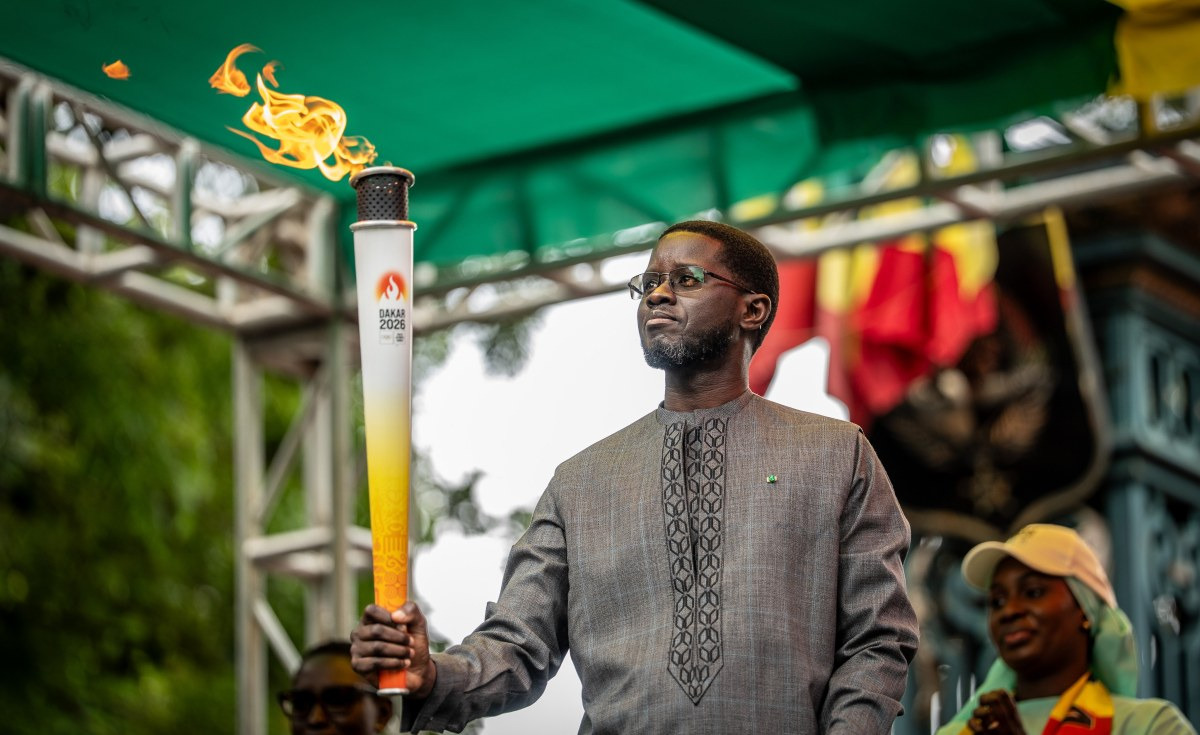
By opting for targeted consultations—scheduled around religious holidays rather than the large-scale political gatherings that have marked previous national dialogues—President Bassirou Diomaye Faye is making a bold institutional move, reasserting presidential authority while signaling a new approach to governance.
This strategic decision arrives amid visible tensions at the highest levels of the state. Complex dynamics with Prime Minister Ousmane Sonko, internal divisions within the ruling coalition, social unrest, and looming regional and international pressures demand nothing less than stability, cohesion, and collective responsibility from Senegal.
These consultations are far from routine. They represent a critical juncture to prevent the country from sinking into a prolonged political crisis with potentially devastating consequences.
Senegal today finds itself in an unprecedented institutional landscape: a parliamentary majority politically aligned with the Prime Minister, a structured opposition rallying around the party of former President Macky Sall, and a President tasked with safeguarding institutional balance and national unity. This reality calls for clarity, responsibility, and a commitment to moving beyond exclusionary politics. No actor can govern sustainably by perpetuating division.
In the pursuit of lasting stability, three key political blocs have emerged as central to the conversation: the presidential coalition led by Diomaye, the political movement centered around Pastef, and the opposition grouping around the APR and its allies in the Front démocratique républicain.
The choices made by these forces—and their supporters—will shape the outcome of the upcoming consultations. The goal is clear: to forge a consensual update of the rules governing Senegal’s democracy, creating a more stable, balanced, and resilient system capable of preventing the recurring crises that have weakened our institutions for years.
Beyond the political figures of the moment, every segment of Senegalese society must contribute to this renewal: political parties and leaders, trade unions, civil society, religious and traditional authorities, the private sector, academia, youth, women, and representatives of the nation’s vital forces.
Senegal needs a new national pact of responsibility—a clear framework in which the majority, opposition, and institutions agree to shared rules, respected by all, transcending partisan interests and the logic of perpetual confrontation.
The lessons of history are clear: no democracy endures without intelligent compromises among its leading political forces. Well-timed compromises strengthen nations; delayed or rejected ones often lead to conflicts where everyone loses—including the country itself.
President Bassirou Diomaye Faye now faces a historic rendezvous with destiny. The challenge is to rise above the weight of partisan politics and transform this period of tension into an opportunity to rebuild Senegal’s democracy on solid foundations.
May wisdom, foresight, and a commitment to the supreme national interest prevail. For the exclusive service of Senegal.
By Abdou Fall
Former Minister of State