Mariama Hamani
Senegal’s constitutional reform: why a referendum is the next step
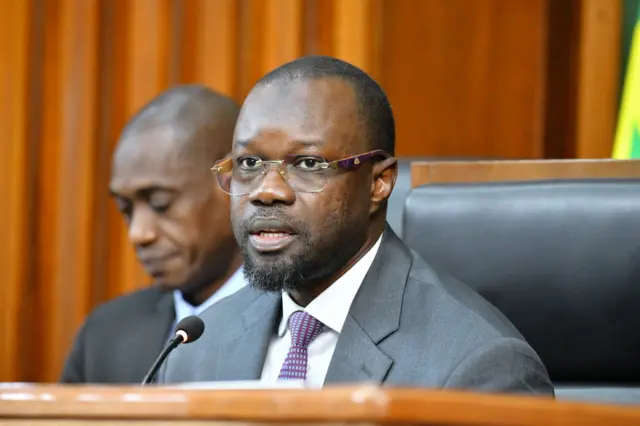
Photo credit, NATIONAL ASSEMBLY SENEGAL
The constitutional reform bill approved by Senegal’s National Assembly on June 29 will proceed to a referendum, as announced by Justice Minister Moussa Sarr. President Bassirou Diomaye Faye has opted for this path under Article 103 of the Constitution, signaling a pivotal moment in the country’s institutional evolution.
The reform, championed by the PASTEF-led majority, seeks to fundamentally reshape Senegal’s institutional architecture. Key objectives include strengthening the Parliament’s role, redefining the balance of power between the presidency and the Prime Minister, and establishing a Constitutional Court to replace the existing Constitutional Council.
This decision comes amid intense political debate. Supporters view the reform as a crucial step toward modernizing governance, while critics warn it could disrupt the delicate equilibrium of state powers.
The referendum will allow Senegalese citizens to directly endorse or reject this reform, which was a cornerstone promise of PASTEF’s 2024 presidential campaign. The proposal reflects a broader ambition to break away from a political system perceived as overly concentrated in the hands of the head of state.
Why now for constitutional reform?

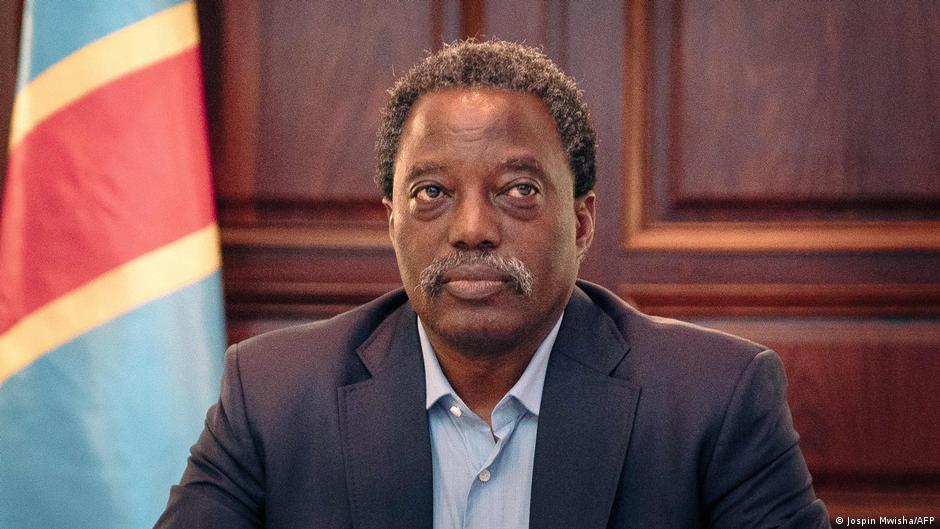
Photo credit, AFP via Getty Images
The reform was a central pledge of PASTEF’s platform during the 2024 presidential election, aiming to dismantle a political system criticized for excessive presidential power. President Faye’s election in March 2024 fueled hopes for swift institutional change, though evolving political dynamics have since complicated the landscape.
While the reform does not propose establishing a new Republic, it has sparked heated discussions. Advocates argue it is essential for modernizing Senegal’s institutions and correcting historical imbalances. Opponents, however, express concerns that it could fundamentally alter the balance of power, raising questions about the reform’s potential impact on governance.
Key reforms in the proposal
A new Constitutional Court
The reform proposes replacing the existing Constitutional Council with a Constitutional Court, significantly expanding its powers. The new court would consist of nine members, including seven judges, serving non-renewable six-year terms. Its expanded authority would cover constitutional, electoral, and referendum matters, as well as oversight of institutional functioning.
Notable changes include the court’s ability to review administrative acts related to national elections and examine unconstitutionality claims raised before higher courts. Its decisions would become binding on all individuals and entities, including the government. Additionally, the Prime Minister would gain the right to directly refer matters to the court, a power previously reserved for the President and a tenth of lawmakers.
Supporters argue this strengthens judicial independence, though critics question the court’s composition and the safeguards for its autonomy.
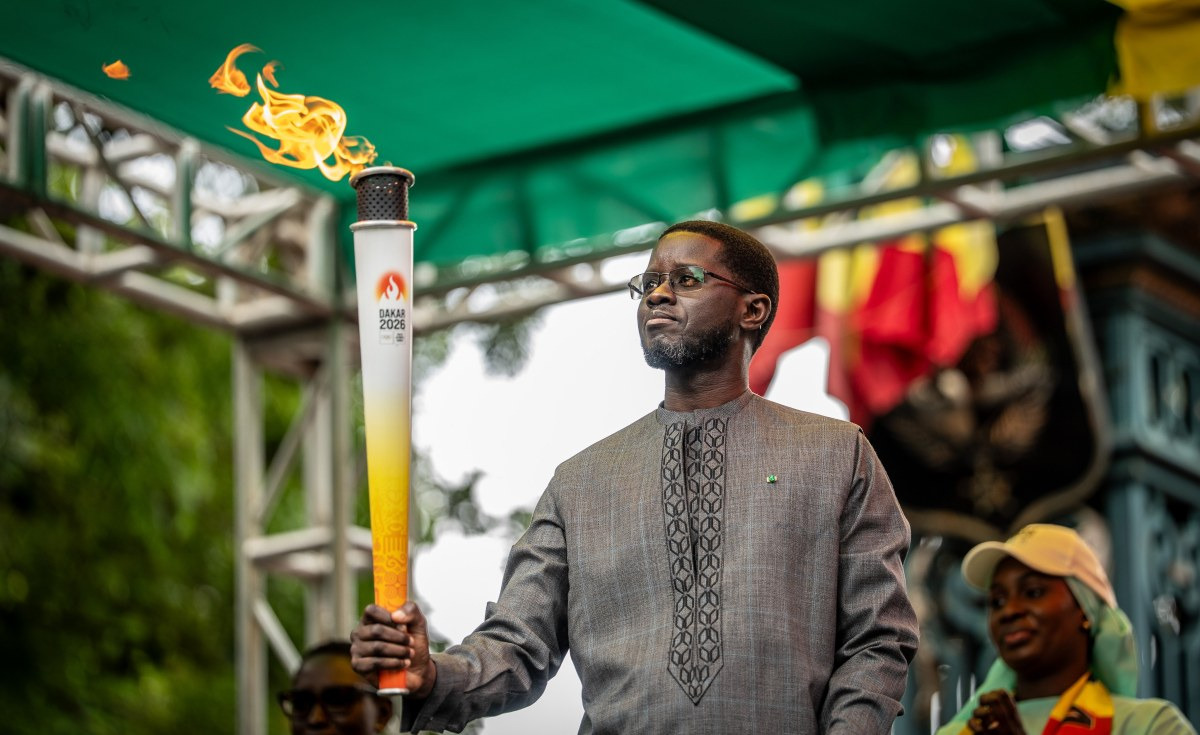
Photo credit, Getty Images
A new balance between president and prime minister
The reform redefines the executive branch without diminishing the President’s central role. While the President will continue to set national policy, this will now be done “in consultation with the Prime Minister.” This shift introduces a cooperative logic, where the Prime Minister takes on a more prominent role in government operations, though the President retains key prerogatives.
Under the proposed changes, the Prime Minister could preside over Council of Ministers meetings, but only under express delegation from the President and with a predefined agenda. The reform also formally recognizes the role of delegated ministers within the government.
The goal is to reduce the concentration of power in the presidency while maintaining the President’s status as the head of state. However, the reform stops short of transforming Senegal into a parliamentary system, instead aiming to distribute responsibilities more evenly.
Stronger separation between presidency and political parties
The reform introduces strict rules to separate the President’s role from partisan politics. The President will no longer be allowed to lead a political party or coalition, except in an honorary capacity. Additionally, the President will be barred from participating in election campaigns unless running for re-election.
The text also broadens incompatibility rules, preventing the President from holding any other public or private positions, paid or unpaid. This measure aims to enhance the neutrality of the presidency and prevent the conflation of state and party interests.
While supporters see this as a guarantee of institutional impartiality, critics argue it could weaken the President’s political connection with the majority that elected them.
A stronger Parliament
The reform strengthens the National Assembly’s oversight powers. Lawmakers will gain enhanced investigative tools, including the ability to establish inquiry commissions to summon any relevant individuals. They will also have the right to adopt resolution texts to guide government policy.
Additionally, the government will be required to provide greater transparency regarding the management of natural resources, with lawmakers granted access to investment agreements in strategic sectors. The reform also prohibits the accumulation of ministerial positions with local mandates, such as mayor or departmental council president.
Regulating presidential transitions

Photo credit, Getty Images
The reform establishes a legal framework for the transition period between a presidential election and the new President’s inauguration. During this time, the outgoing President will face restrictions on certain decisions that could have long-term consequences for the country. This includes limitations on concluding strategic contracts, signing international agreements, or initiating major financial operations, except where necessary for state continuity.
The aim is to prevent an outgoing administration from making far-reaching decisions that could bind its successor, particularly in the final stages of its mandate.
What remains unchanged
Despite the sweeping changes proposed, the reform does not alter several fundamental aspects of Senegal’s political system. The President will continue to be elected by universal suffrage for two consecutive five-year terms. The Republic’s form of government and the core principles protected by Article 103 of the Constitution will remain intact.
The reform does not herald the advent of a new Republic but instead focuses on reorganizing institutional functions and rebalancing power dynamics without altering the regime’s fundamental nature.

 Boureima Amadou