Boureima Amadou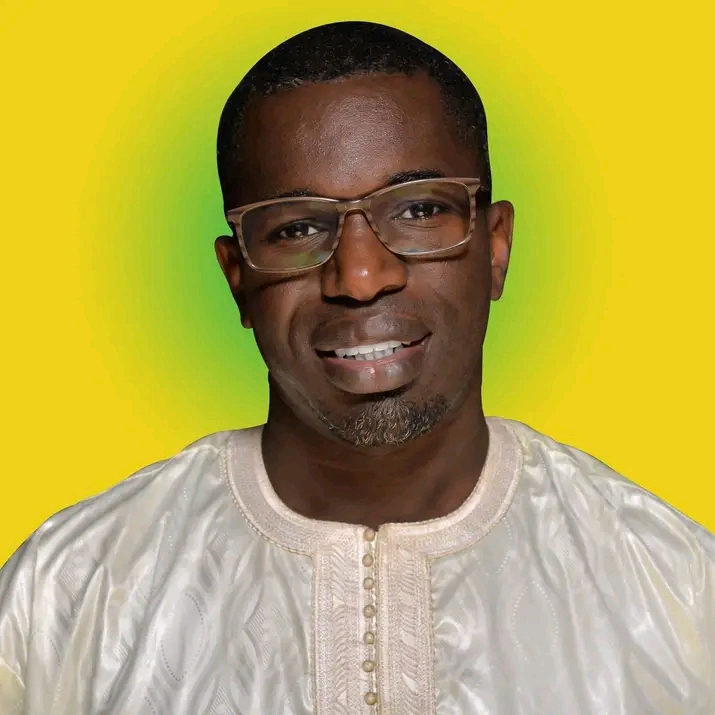
The Senegalese Constitutional Council, once hailed for its bold stance during the February 2024 crisis, has taken a step back in its latest ruling. On June 17, 2026, the Council declined to rule on the merits of a dispute concerning the reinstatement of opposition leader Ousmane Sonko as a deputy, instead declaring itself incompetent to hear the case.
At first glance, this decision may appear technical—a mere procedural ruling. However, it raises deeper questions about the Council’s evolving interpretation of its own role and its commitment to constitutional jurisprudence. The requirers had not limited their arguments to electoral disputes but invoked broader constitutional principles, including the separation of powers and the functioning of institutions.
Narrow interpretation of powers
The Council’s decision hinged solely on its electoral oversight mandate, asserting that its jurisdiction ends once election results are finalized. While legally sound, this reasoning fails to address the core constitutional issues raised by the case. The disputed reinstatement of June 24, 2026, implicated fundamental principles such as parliamentary incompatibility rules and the legality of institutional acts—matters central to the Council’s role as guardian of constitutional order.
The Council’s silence on these issues is striking, especially given its landmark February 15, 2024, ruling, which emphasized its duty to intervene in crises threatening institutional stability. The June 17 decision, by contrast, reflects a retreat to a narrow, formalistic interpretation of its powers, leaving constitutional questions unresolved.
Paradoxical shift in stance
The ruling also reveals a paradox in the arguments presented by Mr. Sonko’s legal team. In their defense of his reinstatement, they contended that the Council’s jurisdiction is strictly limited to matters expressly outlined in the Constitution and organic laws. This position, while strategically advantageous for their client, contradicts the Council’s own past advocacy for a more expansive role in protecting constitutional values.
Critics have long accused the Council of avoiding sensitive cases, and the June 17 decision does little to dispel those concerns. By deferring to procedural limitations rather than addressing the substance of the dispute, the Council has effectively sidestepped its responsibility to clarify constitutional ambiguities.
Broader implications for Senegal’s constitutional order
The decision’s repercussions extend beyond the immediate case. It signals a departure from the bold jurisprudence of February 2024, when the Council asserted its authority to preserve public order and institutional continuity. Now, it appears to have reverted to a more cautious, restrictive approach—one that risks leaving critical constitutional questions unanswered.
As the Council retreats from its activist role, a troubling question emerges: if the Constitutional Council refuses to adjudicate fundamental constitutional disputes, who will? The June 17 ruling does not merely close a legal debate; it underscores the fragility of Senegal’s institutional safeguards in times of crisis.