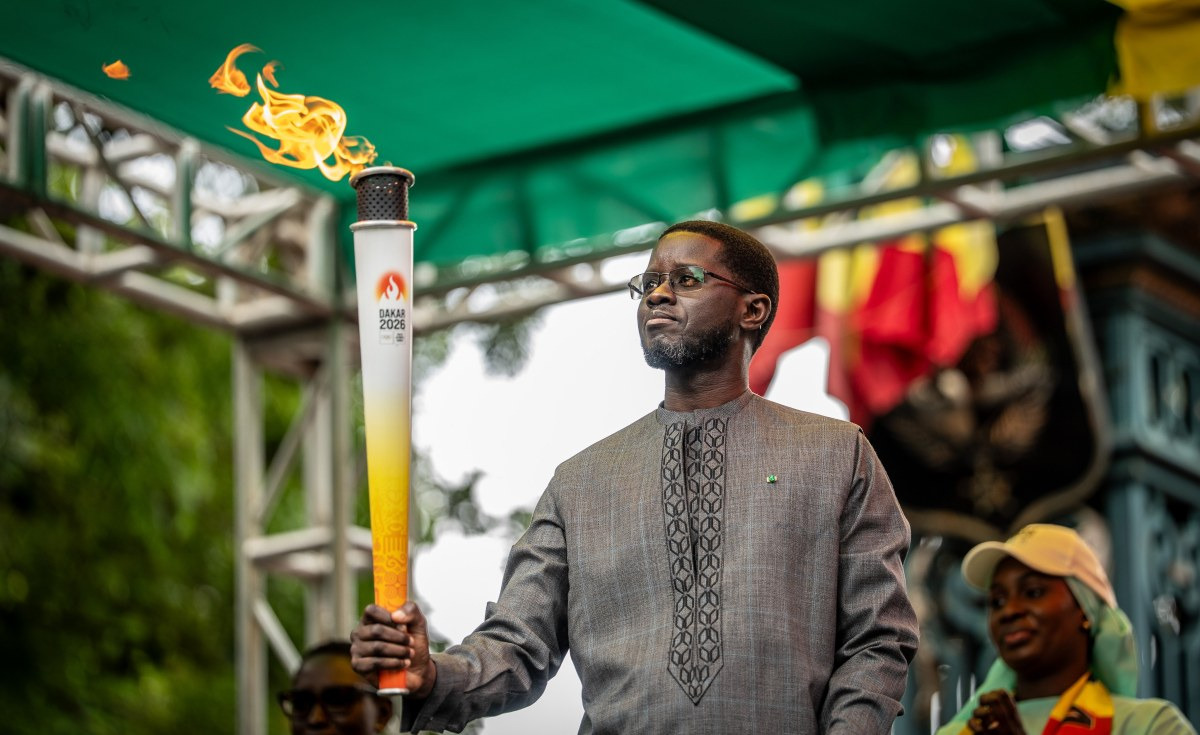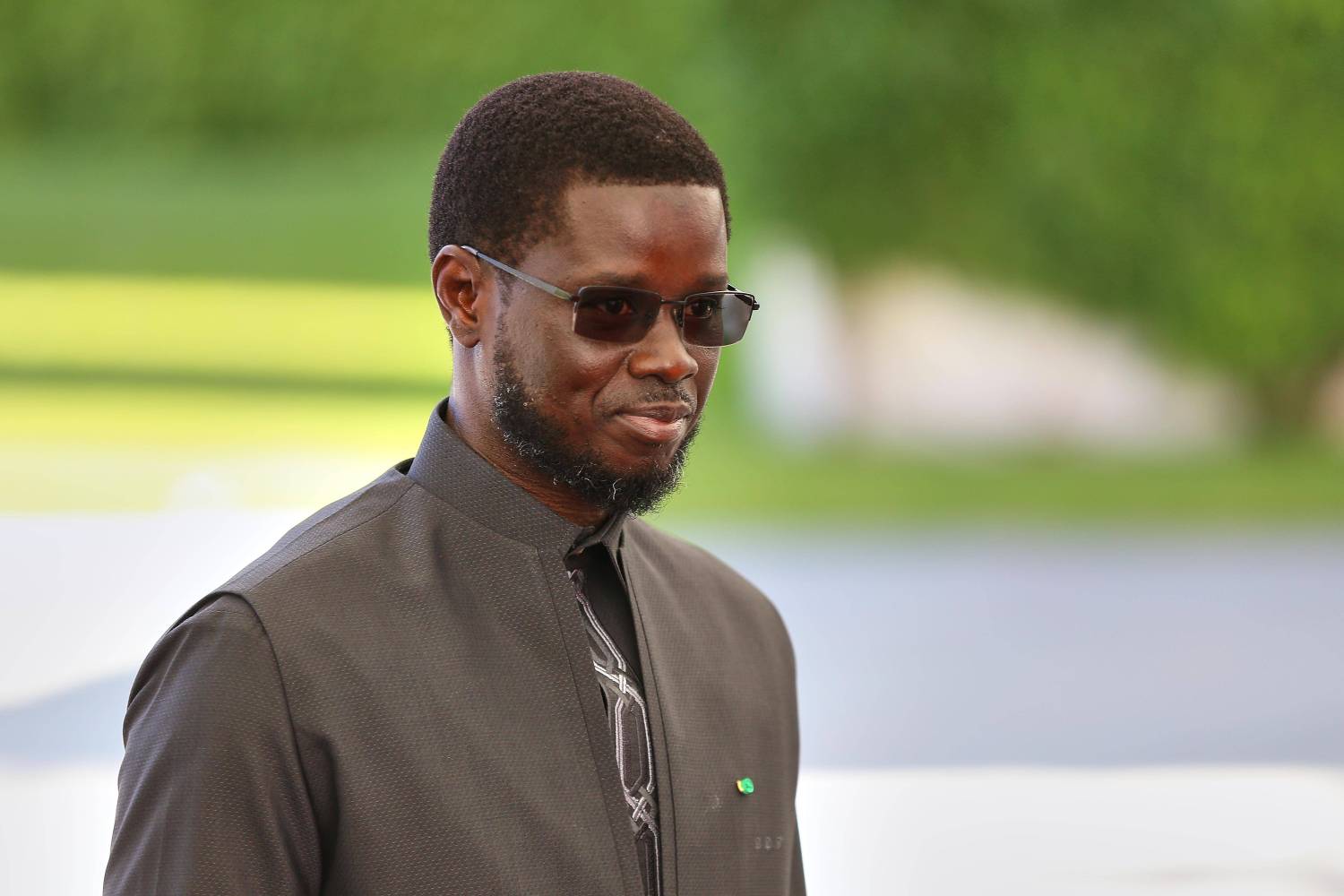
The President of Senegal and current chair of the Economic Community of West African States (ECOWAS) arrived in Bamako today for a high-stakes meeting with Mali’s transitional leader. Against a backdrop of political disagreements, both nations are prioritizing a united front to combat escalating terrorism across the Sahel region.
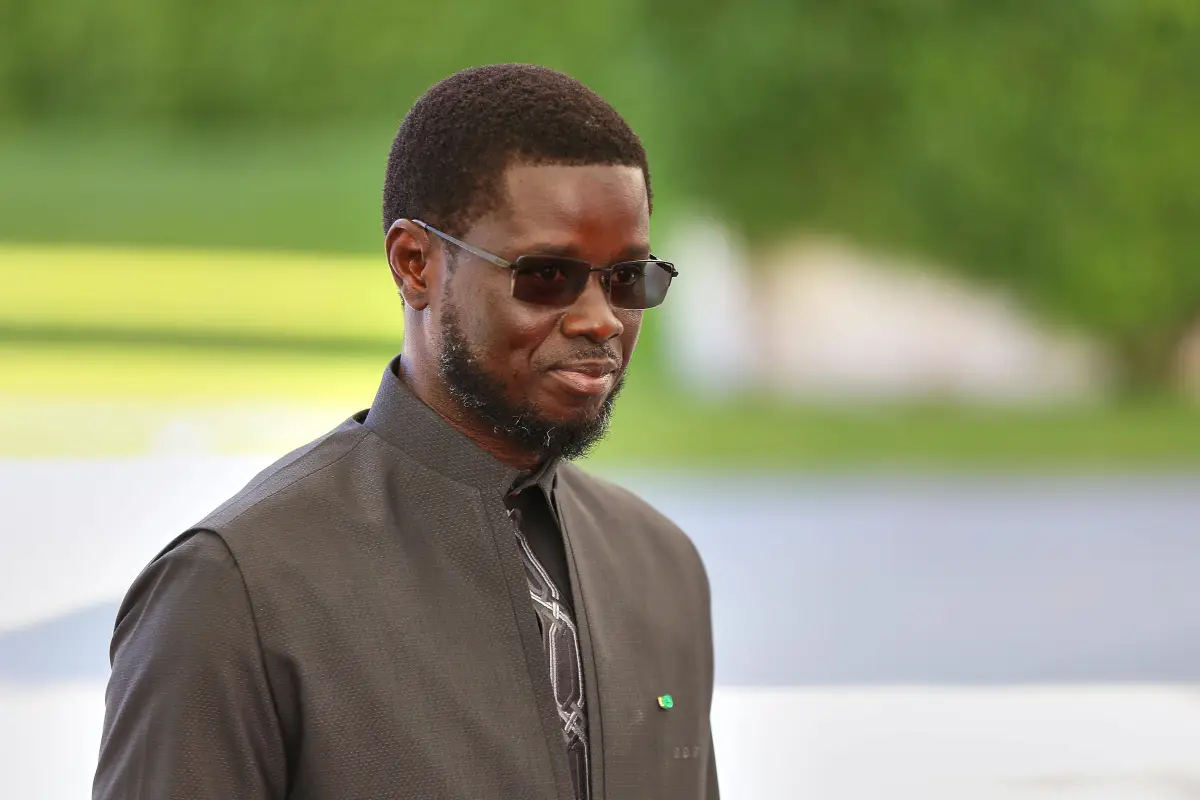
Elected in 2024, Bassirou Diomaye Faye made his first regional visit to neighboring Mali just weeks after assuming office in Dakar. Two years later, the Senegalese leader returns to Bamako in his new capacity as ECOWAS chair—a position he assumed on July 19—to strengthen cooperation against growing security threats in the Sahel.
Strengthening regional security amid political differences
Although diplomatic relations between Dakar and Bamako have faced challenges in recent years, both governments acknowledge that the fight against terrorism transcends political disputes. The Sahel’s worsening security crisis demands immediate, coordinated action from West African nations, with Mali and Senegal positioned as key players in shaping a unified response.
Key priorities on the agenda
- Enhanced intelligence-sharing between military and security forces
- Joint border patrols to curb insurgent movements
- Regional funding mechanisms to support counter-terrorism operations
- Harmonized policies on arms trafficking and extremist recruitment
The meeting comes at a critical juncture, as militant groups intensify attacks across Burkina Faso, Niger, and northern Mali, displacing thousands and destabilizing fragile governments. ECOWAS has repeatedly called for a collective defense strategy, though internal divisions have slowed progress.
For Senegal, balancing its role as a mediator with its own security concerns remains a delicate task. With over 1,500 troops deployed in the UN’s MINUSMA mission before its withdrawal, Dakar has firsthand experience in regional peacekeeping. Meanwhile, Mali’s transitional government faces criticism for its security partnerships, including with Russia’s Wagner Group, which complicates ECOWAS cohesion.
Looking ahead: Can diplomacy overcome distrust?
While no major agreements are expected during this visit, observers note that even symbolic steps—such as reaffirming commitments to shared security goals—could signal progress. The challenge lies in translating pledges into actionable plans, particularly as neighboring countries grapple with economic strain and political uncertainty.
As terrorist factions exploit weak governance and porous borders, the urgency for collaboration has never been greater. Whether this meeting marks a turning point or merely another diplomatic gesture remains to be seen—but the stakes could not be higher for West Africa’s future stability.
Related keywords
Mali
ECOWAS
Bassirou Diomaye Faye
Assimi Goïta
Sahel security
Counter-terrorism

Mariama Hamani
Analyst
Boureima Amadou
- Top Stories
- October 1, 2026
- 131 views
Moussa Kaka’s month-long disappearance in Niger: the widening toll on citizens, commerce and public trust
One month of silence, and a country left guessing In Niger, the pressure on independent journalism has now stretched past the one-month mark, and the consequences are rippling far beyond…

Mariama Hamani
- Top Stories
- October 1, 2026
- 41 views
Is Barrick Gold’s Loulo-Gounkoto truce a strategic blunder for Mali’s mining future
A truce built on silence: what is Barrick Gold really hiding at Loulo-Gounkoto? The suspension of the strike notice at the Loulo-Gounkoto gold complex conceals a financial pact of a…