Mariama Hamani
The revised Senegalese Electoral Code has officially become law, marking a pivotal moment for **African governance**. President Bassirou Diomaye Faye, who assumed office in April 2024, formalized the legislation by signing the promulgation decree. This act concludes a legislative journey closely observed by the entire political spectrum. Central to this new framework is a comprehensive overhaul of ineligibility rules, a topic that previously sparked intense debate both within the National Assembly and among the public.
Redefining Ineligibility Rules in Senegal
The updated Electoral Code introduces more stringent guidelines regarding the conditions under which a citizen can be disqualified from participating in an electoral contest. This significant reform meticulously outlines the grounds for depriving individuals of their civic rights, specifies the relevant durations, and establishes clear avenues for appeal. These parameters are crucial in ultimately shaping the composition of candidate lists. Authorities assert that this clarification directly addresses the persistent legal challenges that characterized recent elections, particularly the February 2024 presidential election, which was initially postponed before taking place in March. This move aims to bolster the integrity of **African current affairs** related to electoral processes.
The issue of ineligibility holds substantial weight in Senegal. Numerous prominent political figures, including former presidential hopefuls, have experienced their electoral ambitions halted by judicial rulings that were often subject to varied interpretations. By tightening these regulations, the legislature seeks to diminish the scope for contentious legal interpretations and to fortify the candidate validation process overseen by the Constitutional Council, ensuring a more predictable electoral landscape for **English Africa news** followers.
A Legislative Initiative from the Pastef Majority
This electoral reform aligns with the institutional agenda championed by the ruling coalition, spearheaded by Ousmane Sonko’s Pastef party. Following the snap legislative elections in November 2024, which secured a significant parliamentary majority for the presidential camp, the executive now possesses the necessary leverage to advance its public law reform initiatives. The Electoral Code is a key component of this effort, alongside judicial reform and the modernization of various legal texts inherited from the previous decade.
Supporters of President Faye view this new framework as a remedy for past ambiguities that, they contend, led to politically motivated exclusions. The opposition, however, is carefully scrutinizing the implementation modalities. Some opposition representatives express concern that the revised thresholds and criteria could potentially be manipulated in the future, hindering candidacies from dissenting voices or those critical of the incumbent administration. This ongoing dialogue is central to **Africa breaking news** regarding political developments.
Implications for Forthcoming Elections
In practical terms, the promulgation of this law paves the way for the immediate application of these new rules to all upcoming polls, starting with the local elections anticipated in the coming months. Political strategists will need to re-evaluate their candidate selection processes, adapting to this updated legal framework. Legal experts project that the overall consistency of the text with the Constitution of 2001, which has undergone several amendments, will be rigorously examined by the high court during initial legal challenges.
Beyond its legal aspects, the reform carries significant political weight. The administration, which emerged from the March 2024 political transition, aims to establish a lasting institutional cycle that departs from the Macky Sall era. The reform of the Electoral Code serves as a key indicator of this shift. It reinforces a campaign pledge for a more predictable system, where, according to the new government, access to electoral competition would no longer hinge on opaque arbitrations. The true test will be to observe, through its application, if this mechanism lives up to its promises, shaping the future of **African governance**.
A Regional Signal for Stability
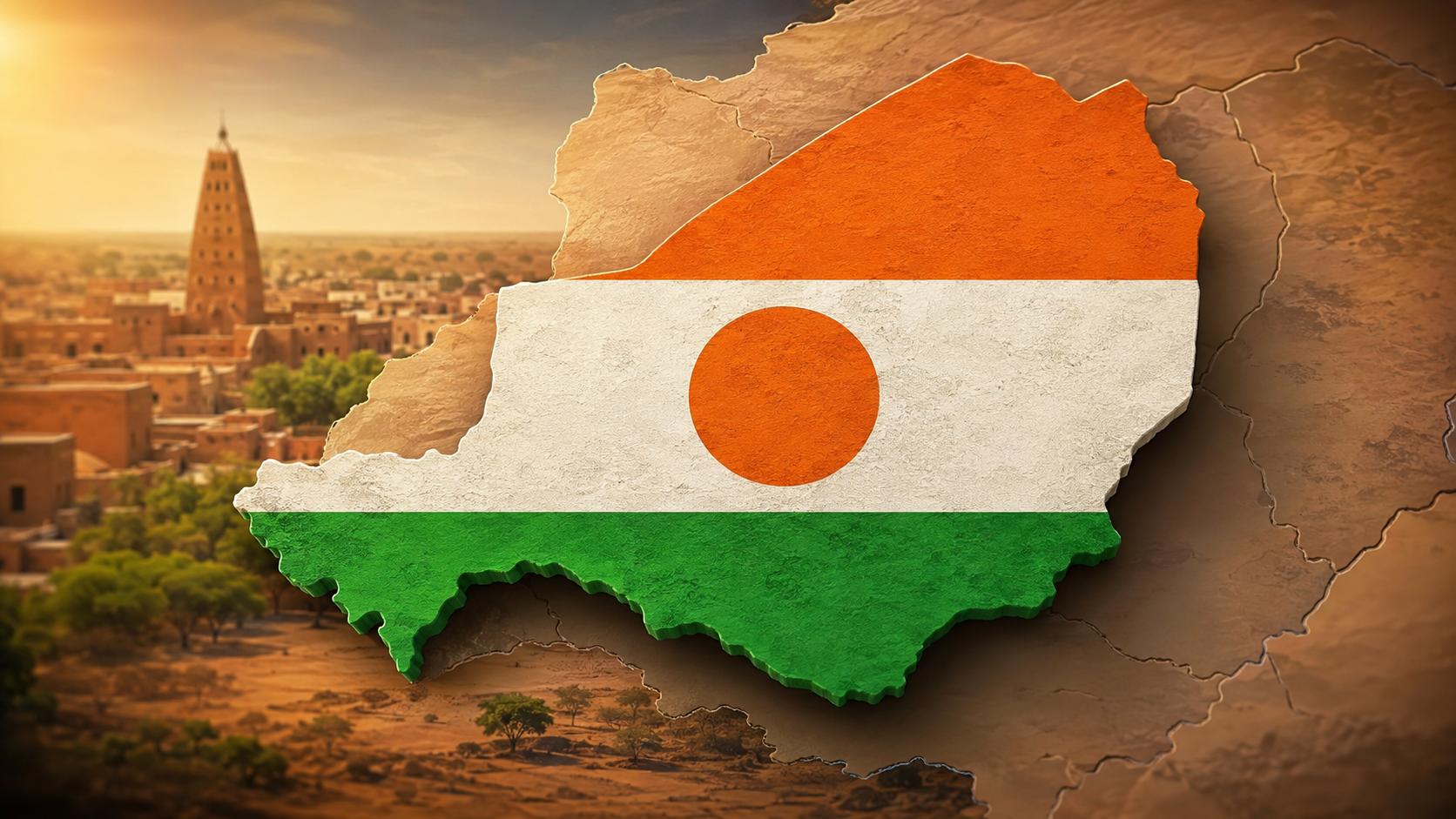
In a West Africa grappling with constitutional disruptions witnessed in Mali, Burkina Faso, and Niger, Senegal’s commitment to a clear electoral calendar holds significant regional importance. Dakar continues to stand as one of the few capitals in the sub-region upholding a tradition of pluralistic elections, despite the tensions observed in 2023 and 2024. The legal safeguarding of the electoral process contributes to this stance, especially as the Economic Community of West African States (ECOWAS) navigates an existential crisis following the announced withdrawal of the three Sahelian nations. This makes for crucial **continent news**.
The coming months will reveal whether this reform achieves its intended calming effect or, conversely, fuels a new cycle of challenges. The head of state signed the promulgation decree shortly after its parliamentary adoption.