
 Mariama Hamani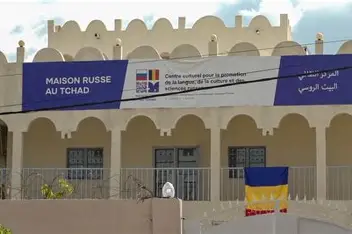
From Bamako to Bangui and Niamey, the proliferation of Russian Houses has become a defining feature of Moscow’s expanding influence across Africa. Officially established as hubs for cultural and educational collaboration, these centers now operate in over twenty nations and serve as a cornerstone of Russia’s soft power strategy on the continent.
Promoting Russian language and values through education
Through the teaching of Russian as a foreign language, the organization of cultural events, and the distribution of thousands of university scholarships, Russia seeks to cultivate a favorable image among African youth. By fostering familiarity with its language and values, Moscow aims to groom a new generation of professionals, academics, and policymakers who align with its geopolitical interests.
The dual role of cultural diplomacy
While these initiatives provide tangible benefits to African students, they also raise critical questions about intent. Beyond the stated goals of educational exchange, some analysts suggest that Russia’s investments in culture and higher education serve a deeper strategic purpose. By shaping the perspectives of emerging leaders, Moscow may be laying the groundwork for long-term political influence across the continent.
Historical precedents and modern applications
The use of education and cultural diplomacy as instruments of foreign influence is not a new phenomenon. Throughout history, major global powers have leveraged academic exchanges and cultural outreach to expand their reach. By training future elites abroad, nations can build enduring networks of loyalty and strengthen bilateral partnerships over decades.
In regions where Western presence has waned in recent years, Russia appears to be stepping into the void. The Russian Houses are no longer mere cultural venues; they function as strategic assets designed to embed Russian influence within African societies for generations to come.
An open-ended strategy
The central question remains unresolved: Is this initiative a genuine effort to foster cross-cultural understanding, or does it represent a calculated effort to mold African minds in favor of Russian interests? As these centers continue to expand, their true impact on the continent’s political and social landscape will become increasingly apparent.

 theafricantribune
 Boureima Amadou




