Boureima Amadou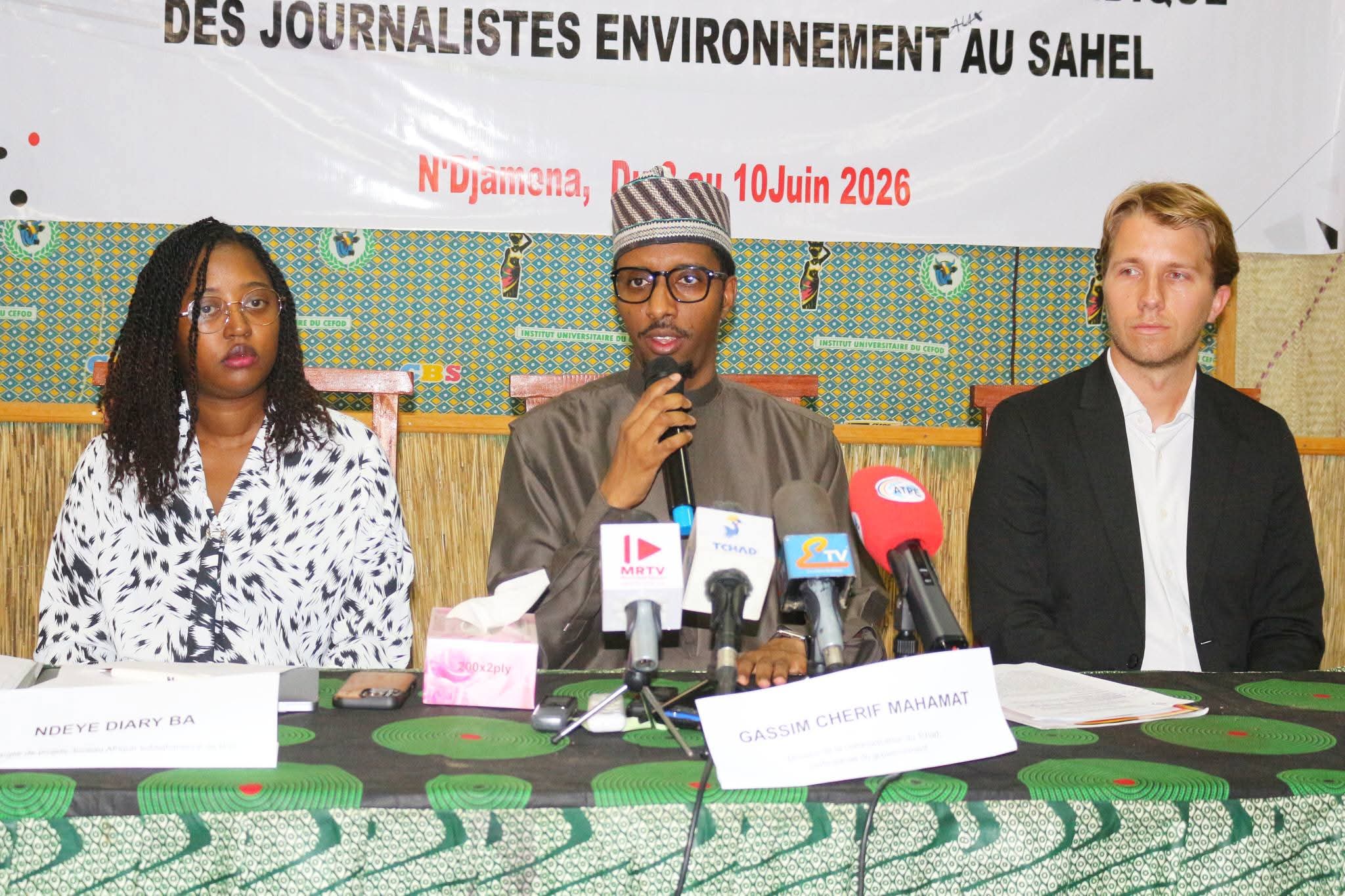
Regional workshop in N’Djamena strengthens legal protection for environmental journalists
A three-day regional workshop focused on enhancing the legal safeguards for journalists specializing in environmental issues commenced this Monday in N’Djamena. The event is co-organized by Reporters Without Borders (RSF) and the country’s ministries responsible for Communication and Environment.
The gathering brings together approximately twenty media professionals from Chad, Burkina Faso, Mali, and Niger. It aligns with the broader initiative titled “Defending and Protecting Environmental Journalism in the Sahel,” designed to elevate the working conditions of journalists addressing environmental concerns across the region.
Empowering journalists to navigate legal and security challenges
The workshop’s primary aim is to deepen participants’ understanding of their legal rights, existing protection mechanisms, and strategies to mitigate professional risks. It also seeks to foster stronger collaboration between journalists, legal experts, and human rights advocates, ensuring a more secure environment for those reporting on environmental matters.
Ndeye Diary Ba, RSF’s Sub-Saharan Africa Project Manager, emphasized the importance of equipping journalists with the tools needed to perform their duties safely. “Attendees will delve into sensitive topics, assess national and regional legal frameworks, and sharpen their skills in digital security and risk management,” she stated.
Government recognition of media’s role in environmental advocacy
Gassim Cherif Mahamat, Chad’s Minister of Communication and Government Spokesperson, highlighted the significance of hosting the workshop in N’Djamena. He acknowledged the pressing challenges faced by Sahelian nations in safeguarding press freedom and protecting journalists.
“Media professionals play a pivotal role in raising public awareness about environmental issues, but they must also operate within a framework that ensures their safety and protection,” he noted. “This training will provide participants with practical tools to analyze risks, interpret legal texts, and combat misinformation—critical skills in modern journalism.”
The three-day program will allow journalists to exchange insights, share experiences, and build capacity, enabling them to inform the public about environmental challenges while working in safer conditions.