Mariama Hamani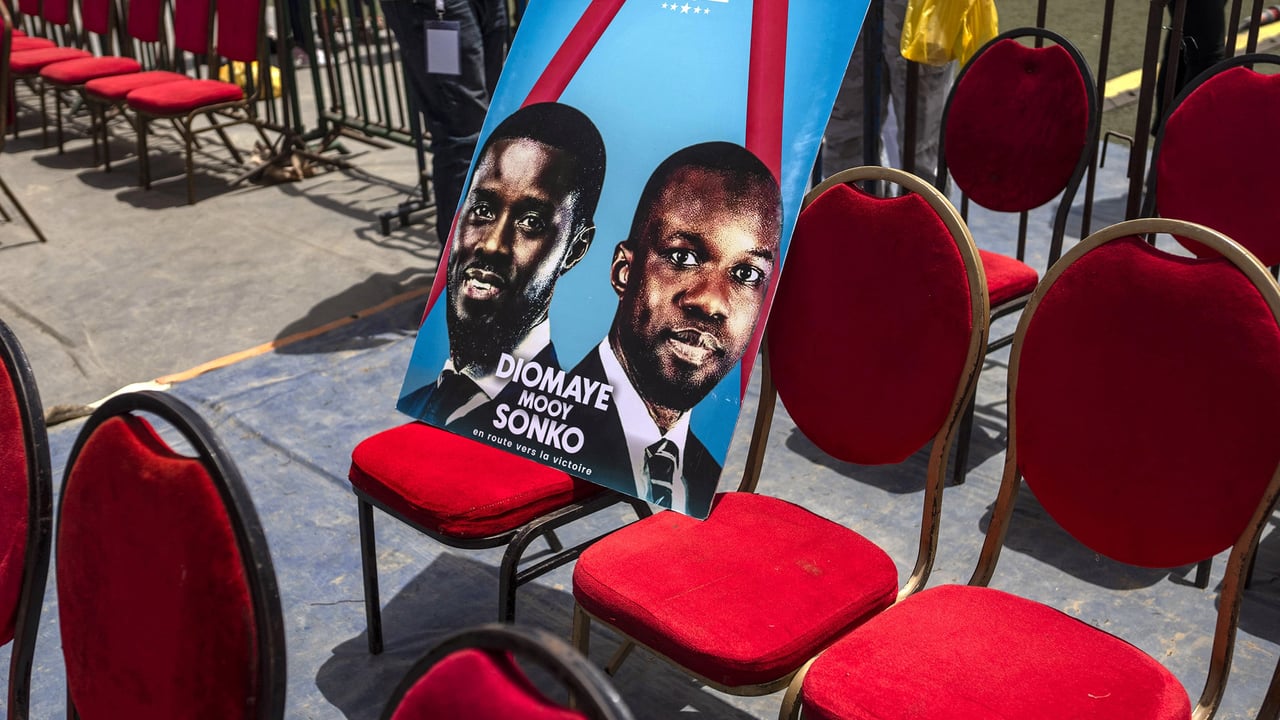

The political arena in Senegal is undergoing significant upheaval as President Bassirou Diomaye Faye and his ally, opposition figurehead Ousmane Sonko, embark on a sweeping housecleaning of their ranks. A wave of resignations, dismissals, and expulsions has sent shockwaves through the corridors of power in Dakar, reshaping alliances and redefining the country’s governance landscape.
a strategic overhaul reshapes Senegal’s political map
The latest moves mark a decisive shift in Senegal’s political dynamics, as both leaders take aggressive steps to consolidate their influence and weed out dissent within their circles. The removals span multiple sectors, including government agencies, party structures, and strategic advisory bodies, signaling a bold, if risky, strategy to streamline decision-making and eliminate perceived obstacles to their vision for the nation.
Among the most notable departures are high-ranking officials who had been instrumental in shaping the administration’s early policies. Their exits, whether voluntary or enforced, reflect a broader trend of rapid personnel changes that have come to define Faye and Sonko’s approach to leadership—one marked by boldness and a willingness to disrupt established norms.
who has been affected?
The purge has spared no segment of the political spectrum. Key figures in the presidential cabinet, senior advisors, and even mid-level bureaucrats have faced sudden dismissals or forced resignations. In several cases, entire departments have been dissolved, with responsibilities redistributed to loyalists or newly appointed technocrats.
The opposition alliance, already fragile in places, has also felt the strain. Several prominent members of Sonko’s party have been sidelined or expelled, raising questions about the long-term cohesion of their movement. The removals have not only weakened internal structures but also fueled speculation about potential fractures in the fragile coalition that brought them to power.
the rationale behind the shake-up
According to insiders close to the administration, the sweeping changes are driven by a dual objective: to root out corruption and inefficiency while ensuring unwavering loyalty to the new leadership. The administration has framed the overhaul as a necessary step to fulfill campaign promises of transparency and accountability, though critics warn that such radical measures could destabilize governance in the short term.
Analysts suggest that the timing of the purge—coming less than a year after Faye’s election—reflects a preemptive strike against potential rivals within the party who might challenge the president’s agenda. The move also serves as a signal to external partners, reassuring them of the administration’s commitment to reform while simultaneously tightening control over internal decision-making processes.
what lies ahead for Senegal’s political future
The fallout from these changes is still unfolding, with ripple effects likely to be felt across Senegal’s political and economic sectors. While supporters of the administration praise the boldness of the reforms, opponents decry what they describe as a dangerous erosion of democratic checks and balances. The coming months will be critical in determining whether the purge strengthens Senegal’s institutions or plunges them into deeper uncertainty.
One thing is clear: the leadership’s willingness to dismantle and rebuild its own ranks demonstrates an uncompromising approach to governance. Whether this strategy will ultimately serve the interests of the nation—or merely entrench power—remains the most pressing question facing Africa’s most stable democracy today.


 Boureima Amadou