Boureima Amadou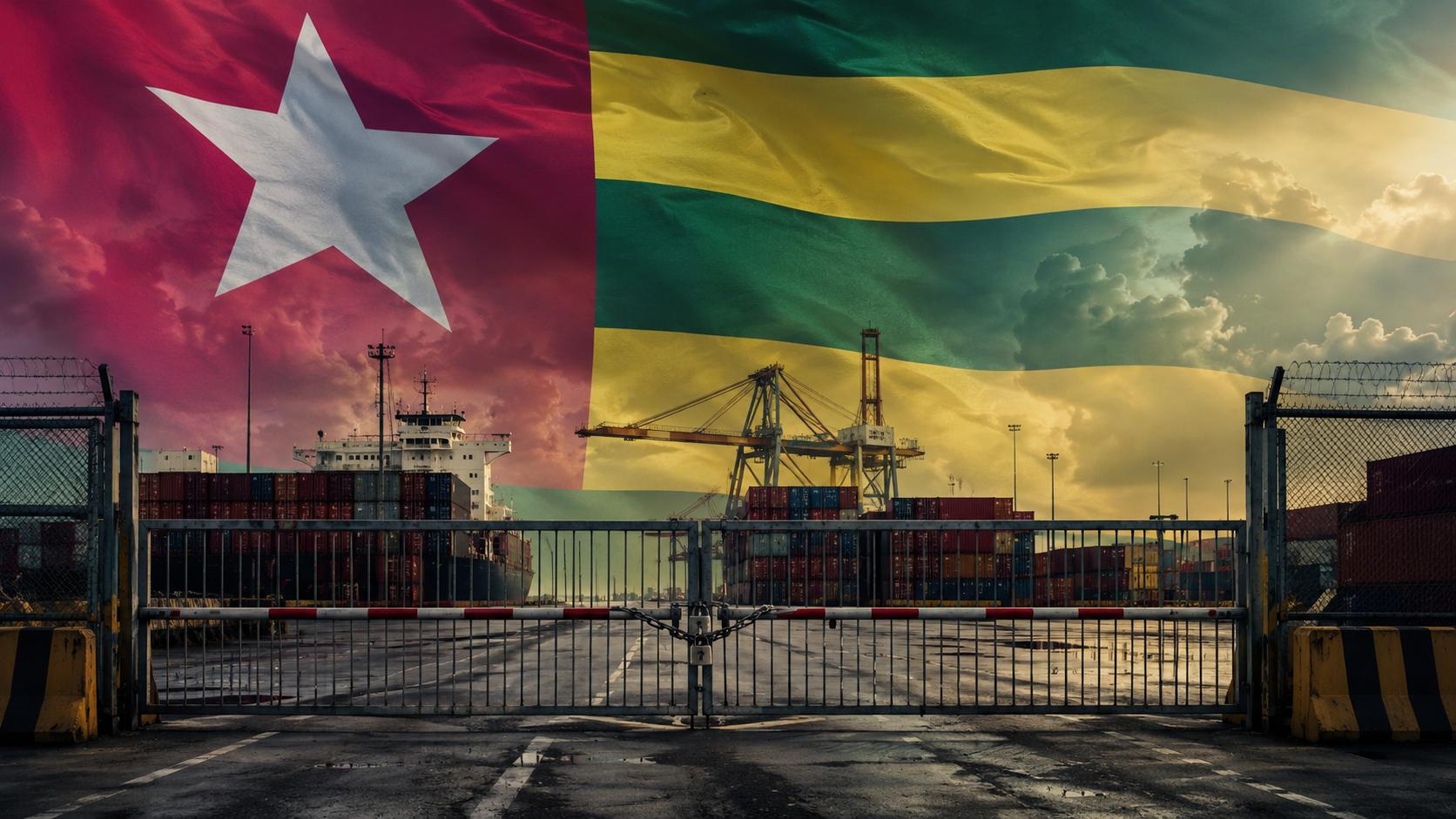
The Port Autonome de Lomé (PAL), Togo’s economic heartbeat, has ground to a near halt since 5 a.m. on Tuesday, 11 August 2026. In response to a call from the Syndicat des agents du Port Autonome de Lomé (SYAPAL), the workforce initiated a 72-hour work stoppage, set to conclude at 11:59 p.m. on Thursday, 13 August 2026. The walkout lays bare long-standing grievances among the port’s vital workforce.
What sparked the walkout: stalled negotiations and unmet demands
At the heart of the dispute lie a cluster of unresolved demands that have simmered for months. SYAPAL members are demanding sweeping revisions to their compensation packages, career path clarifications, and strict adherence to the sector’s regulatory framework governing port personnel.
The union points to the newly appointed director-general, Kokou Edem Tengue, who took charge in July, as a key figure in the breakdown. Despite recent efforts to open dialogue, the union accuses port authorities of insincerity—highlighting what it describes as a sham social dialogue. Two formal notices, issued in June and again on 27 July, failed to yield meaningful concessions, pushing workers toward decisive action.
Rising stakes: from 72 hours to an uncertain future
While the current protest is capped at three days, the trajectory beyond Friday could escalate rapidly. Without tangible concessions, several alarming scenarios loom:
- Extended industrial action: SYAPAL has not ruled out extending the strike or escalating to an indefinite halt, a move that would bring manoeuvring, cargo handling, and loading operations to a standstill.
- Logistics gridlock: As a West African transshipment hub, any prolonged slowdown at PAL risks choking container terminals, diverting vessels to rival regional ports, and inflating operational costs for shipping companies.
- Sahel-wide fallout: The Port of Lomé serves as the lifeline for landlocked neighbours like Burkina Faso, Niger, and Mali. A sustained paralysis here would delay essential supplies, stoke inflationary pressures, and strain trade networks across the Sahel.
Government and port leadership under mounting pressure
With the clock ticking toward the expiry of the current strike notice, authorities and PAL management face intensifying pressure to engage in genuine, inclusive negotiations with worker representatives. Failure to do so risks deepening the crisis and amplifying its regional consequences.


 Mariama Hamani