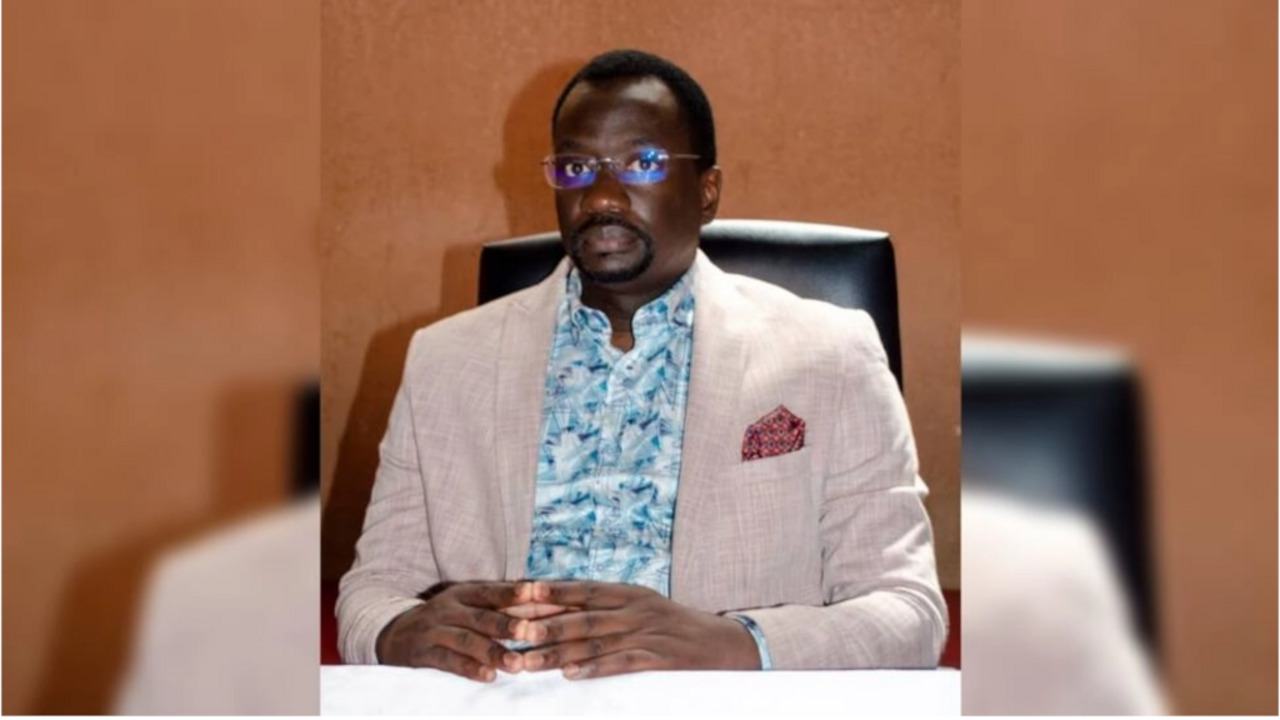
Boureima Amadou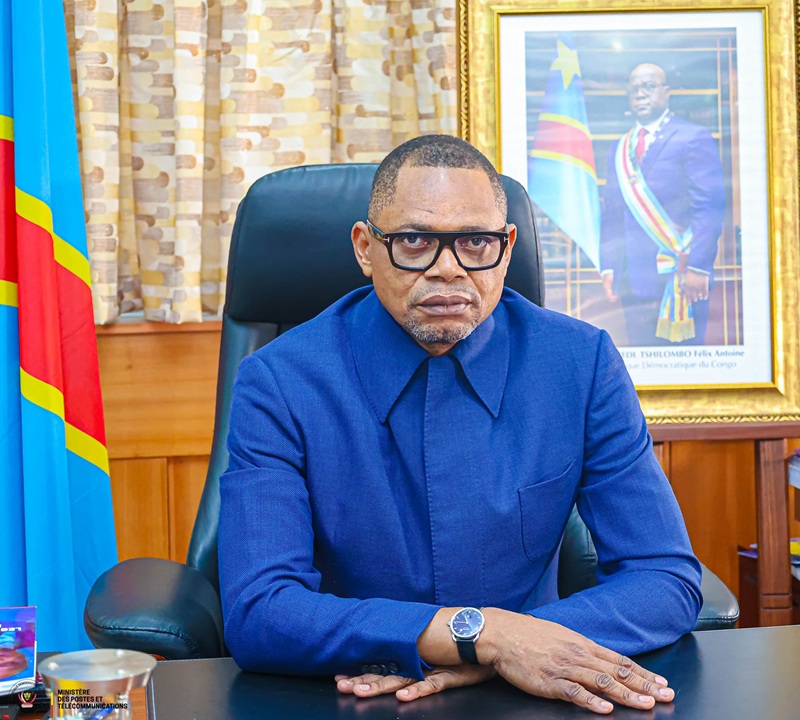
One year of Suminwa II government: José Mpanda’s transformative impact on telecoms
The Democratic Republic of the Congo marked a pivotal milestone on August 12, 2026, as Minister of Posts, Telecommunications, and Digital Economy Me José Mpanda Kabangu completed his first year in office within the Suminwa II administration. Appointed through a presidential decree on August 8, 2025, Mpanda inherited a ministry grappling with systemic underfunding, bureaucratic inertia, and a reputation for inefficiency that had long isolated the country in global telecom governance.
Breaking decades of isolation
Within weeks of taking office, Mpanda identified three critical priorities: restoring the DRC’s voting rights in the Universal Postal Union (UPU), repositioning the country as a credible host for the African Telecommunications Union (ATU), and securing a seat on the International Telecommunication Union (ITU) Council. Each objective carried historic significance for a nation that had been sidelined for over three decades.
Restoring voice in global postal governance The DRC had lost its voting rights in the UPU in 1992 due to unpaid dues—a 34-year absence that Mpanda swiftly reversed. Through direct advocacy at the presidential level and securing state budget allocations, he ensured payment of over $1.4 million in arrears and penalties. By September 2025, just one month into his tenure, the DRC regained its full participation rights, reclaiming its voice in shaping global postal policies and standards.
Repatriating the African Telecommunications Union The ATU had been forcibly relocated from Kinshasa to Nairobi in 1992 following widespread looting during a period of national instability. Mpanda’s efforts culminated in a historic decision at the 7th ATU Plenipotentiary Conference in Abuja, Nigeria, on July 23, 2026: the union’s headquarters would return to the DRC. The new ATU Secretary-General, Zambian Kezias Kazuba Mwale, will commence his duties in Kinshasa in January 2027. The ministry has already secured office space in the Safi Building along Boulevard du 30 Juin, pending construction of a dedicated facility. This milestone not only restores institutional dignity but also grants the DRC automatic representation on the ATU’s Governing Council.
Ambition for ITU leadership Mpanda is now pursuing a seat on the ITU Council for the 2027–2030 term. He will formally submit the DRC’s candidacy in November 2026 during the Plenipotentiary Conference in Doha, Qatar. Success would position the DRC as a key player in defining global ICT policies, including spectrum management, broadband infrastructure standards, and satellite connectivity frameworks—all critical to the government’s “Digital Congo 2030” vision.
Modernizing the ministry and empowering agents
Mpanda has overhauled the Ministry of Posts, Telecommunications, and Digital Economy with sweeping administrative reforms. Within 144 days, he delivered 13 new vehicles—including three buses and multiple jeeps—to the General Secretariat, a first in the ministry’s history. He also approved a revised salary scale, initiated the rehabilitation of the ministry’s main building, and implemented a new organizational structure. Performance-based promotions have been distributed equitably, rewarding merit and longevity.
Creating a conducive environment for telecom operators
To foster investment and service reliability, Mpanda addressed long-standing legal ambiguities affecting major operators. He issued a decree converting the licenses of Airtel, Vodacom, Orange, and Africell into unified operational titles, eliminating regulatory uncertainty. Additionally, he halved—with retroactive effect—the decade-long moratorium on Congolese participation in telecom equity, from 25% to 12.5% for citizens and from 5% to 2.5% for employees, aligning with Article 40 of the Telecommunications Law.
Laying the foundation for digital transformation
Informed by the National Postal and Telecommunications Sector Conference held in April 2026, Mpanda has launched ambitious infrastructure initiatives to bridge the digital divide:
- Fiber optic backbone: A partnership with the World Bank and Agence Française de Développement aims to deploy 10,000 km of fiber by 2030, with the first phase already underway in Kinshasa and surrounding areas.
- Rural connectivity: The Universal Service Development Fund (FDSU) is constructing at least 30,000 additional towers across 145 territories. As a pilot, 3,000 towers are being built in the Kimbanguist Holy City of Nkamba, Kongo Central. Eight agreements were signed with mobile operators on August 8, 2026, enabling each to construct at least 10 antennas in peri-urban and rural zones.
- National satellite sovereignty: Negotiations are in advanced stages with China Unicom for the development of a sovereign DRC communications satellite, essential for reducing dependence on foreign providers and ensuring secure data sovereignty.
These infrastructure investments are expected to mobilize over $1.5 billion in funding for the 2026–2030 period, supporting the deployment of data centers, satellite infrastructure, and high-speed networks nationwide.
A vision of a connected Congo
Me José Mpanda Kabangu’s leadership reflects President Félix-Antoine Tshisekedi’s strategic vision: transforming the DRC into a technology hub at the heart of Africa by 2030. By restoring the country’s voice in global telecom governance, modernizing public administration, and accelerating digital infrastructure deployment, he is not only reversing decades of neglect but positioning the DRC as a model of digital sovereignty on the continent.