
 Mariama Hamani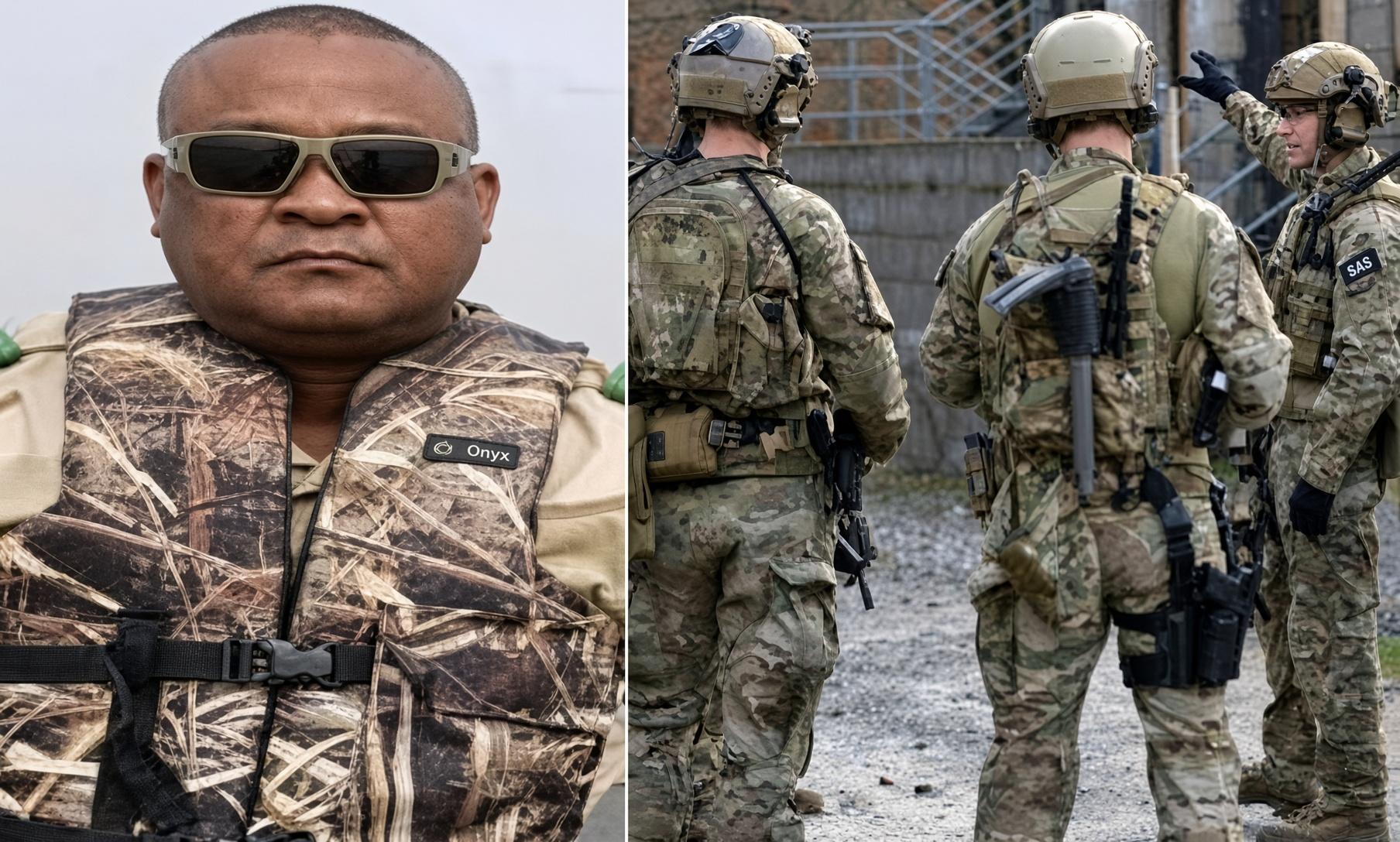
In security circles across Niamey, few careers provoke as much discussion as that of Major General Moussa Salaou Barmou. His reputation as one of the Sahel’s most seasoned tacticians rests on instruction received at some of the most prestigious military institutions in the United States, and that single fact keeps feeding a lively argument about how Niger’s elite units should be built, trained and led. The conversation has only sharpened since the command reshuffle that redrew the country’s military architecture, leaving one central question hanging: what does the American chapter of Barmou’s career mean for what comes next?
The paper trail of an American military education
The general’s record takes in two landmark stops. At Fort Moore, the Georgia installation still widely known by its former name Fort Benning, he completed the US Army Infantry School programme, a reference point for infantry tactics, assault drills and the hardening of troops for close combat. In Washington, he then earned a diploma from the College of International Security Affairs at the National Defense University, where his work centred on strategic planning, counterterrorism and the reading of asymmetric threats.
That double immersion, theory in the classroom and practice in the field, gave him a firm grasp of a doctrine built around rapid reaction, the autonomy of small units and the seamless use of intelligence assets. It is precisely this package that observers point to when they try to explain the operational style of Niger’s elite formations.
From an imported doctrine to a homegrown fighting force
The results of that schooling did not stay on paper. They surfaced in Niger’s theatre of operations.
- Building the special forces: As commander of the Nigerien special forces, Barmou structured the unit along the lines of the US Special Operations Command. He imposed demanding selection standards, rapid interception exercises and heavy reliance on small, mobile patrols.
- Joint counterterrorism missions: Working alongside American troops based at Agadez (Base 201) and in Niamey, he helped orchestrate complex counterinsurgency operations against Boko Haram in the Lake Chad basin and against groups affiliated with the Islamic State in the three-border zone.
- Military diplomacy: His fluency in American codes made him the natural and preferred point of contact for the Pentagon. During the delicate talks that followed the 2023 coup, that credibility and the discipline of his training allowed him to keep a direct channel open with US diplomacy.
Reactions to a career shaped abroad
Inside the armed forces
Within the ranks, the legacy of his command is generally read in positive terms. The qualities that stand out in the units he shaped are tougher recruitment benchmarks and a faster operational tempo, two hallmarks of the American school: initiative taken at the lowest level, and decisions made on the ground rather than from a distant headquarters.
The wider public argument
Beyond the barracks, the discussion is more nuanced. How far Niger’s security model should lean on foreign doctrine sits at the heart of a broader national conversation about sovereignty and self-reliance, particularly after the rupture of 2023. Supporters see a transferable toolkit that can be adapted at will. Sceptics warn that habits and methods imported from elsewhere only hold up when they are rooted in local realities and backed by domestic funding and training pipelines.
Outlook: a legacy tested by a shifting command map
Serving alongside General Abdourahamane Tiani within the CNSP, Moussa Salaou Barmou occupied the post of Chief of Defence Staff (CEMA). In that role he reshaped Niger’s security map and the arrangements of the Alliance of Sahel States (AES), before the restructuring of the military command carried out in September 2026. His mark on the Nigerien armed forces remains that of an officer who managed to adapt modern warfare methods and American pragmatism to the tactical realities of the Sahelian theatre.
What happens next will depend less on the prestige of a foreign diploma than on whether that doctrine can be sustained without the partnerships that first produced it. That is the debate now running through Niamey, and it is unlikely to fade as the region’s security landscape keeps evolving.


 Boureima Amadou





