Boureima Amadou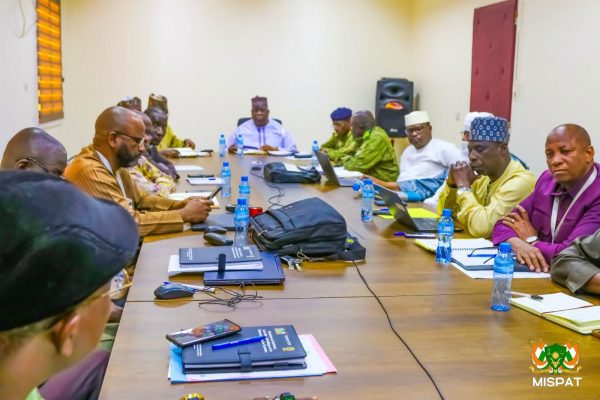
NIAMEY, August 6, 2026 — A high-stakes meeting unfolded in the Interior Ministry’s chambers, where top officials assessed the nation’s halfway progress under the Public Service Rebuilding Program. Led by the Secretary General of the Interior, Police General Ayouba Abdourahmane, the session brought together governors, agency directors, and state coordinators to scrutinize the first quarter’s outcomes with unrelenting precision.
For hours, the assembled leaders dissected the tangible impact of recent policy decisions, weighing their effectiveness against ongoing security and administrative hurdles in the country’s most remote regions. The goal was clear: to refine strategies and ensure every initiative aligns with the program’s ambitious vision for national transformation.
« Niger’s mobile civil registry has become a continental benchmark, setting a new standard for administrative innovation. »
Strategic missions shape the path forward
The second half of the year will be shaped by lessons drawn from groundbreaking diplomatic engagements. Recently concluded visits to Algiers, Moscow, and Harare underscored the nation’s growing influence in governance and security cooperation. In Zimbabwe, Niger’s mobile population registration system garnered widespread acclaim, earning recognition as a model for other African nations grappling with similar challenges.
Equally significant was the strategic dialogue in Ouagadougou, where regional partners aligned on cross-border mobility and trade security. This collaboration marks a pivotal step toward fostering a safer, more integrated West African community.
Closing the session, the Secretary General issued directives emphasizing two priorities: the relentless pursuit of public service excellence and the systematic strengthening of territorial coverage. These measures are seen as critical to sustaining national stability and reinforcing citizen trust in government institutions.