
 Boureima Amadou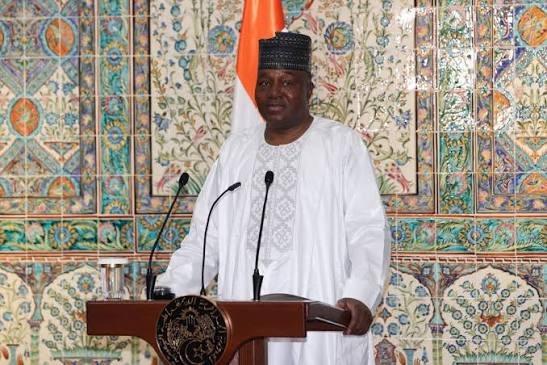
A price freeze that comes with a 28 billion FCFA invoice
Holding petrol cheap at the pump is a political choice with a financial tail, and Niger’s public accounts are now feeling the weight of it. The country’s state oil company, SONIDEP, is drifting toward a net loss of 28 billion FCFA for the 2026 financial year, caught between a domestic market that keeps expanding and import costs that keep climbing on world markets.
The mechanics of a 42 billion FCFA subsidy bill
Keeping pump prices untouched through 2026 carries an overall import subsidy cost estimated at 42 billion FCFA. That figure is then split into two very different kinds of pain for the national operator:
- 15 billion FCFA pulled straight out of SONIDEP’s price stabilisation mechanism and fund, which drains the buffer reserves it keeps for exactly this kind of shock.
- 28 billion FCFA left to close the year as a direct net loss written into the state-owned company’s books.
One line empties the safety net. The other turns a bad year into an outright deficit.
How Nigeria’s petrol reform boomeranged across the border
The roots of this squeeze sit outside Niger. When President Bola Tinubu’s administration scrapped petrol subsidies in Nigeria, a sizeable slice of regional demand simply shifted west. Fuel sold in Niger, kept artificially low by the state, suddenly looked far more attractive than what was on offer in the giant next door, and consumption at home rose while cross-border traffic intensified.
With that extra demand arriving, the Zinder refinery, SORAZ, could not stretch beyond its capped output to cover the whole national market.
Zinder’s refinery at its limit
To keep stations supplied and avoid shortages, SONIDEP had little choice but to buy large volumes of fuel abroad at premium international prices, then resell them domestically below cost. The gap between what it pays and what it charges is where the loss is born.
A dividend that never lands in the Treasury
The fallout does not stop at SONIDEP’s balance sheet. The government had pencilled in 3.3 billion FCFA in dividends from the public company’s performance, but revised projections from the International Monetary Fund bring that direct fiscal revenue down to zero. What was meant to be a contribution to the budget becomes another hole in it.
Social calm now, financial fragility later
By letting SONIDEP absorb the oil shock instead of adjusting pump prices or tightening control over cross-border flows, the authorities are buying short-term social peace. The trade-off is a harder question: how long can the country’s main fuel distributor keep sacrificing its margins and its equity to act as a tariff shield?








