Mariama Hamani
Niger’s dual health battle: confronting polio and coronavirus outbreaks
Currently grappling with a significant coronavirus epidemic, the nation of Niger is now facing a second severe health crisis: a polio resurgence, which has recently affected two children in the regions of Niamey and Tillaberi.
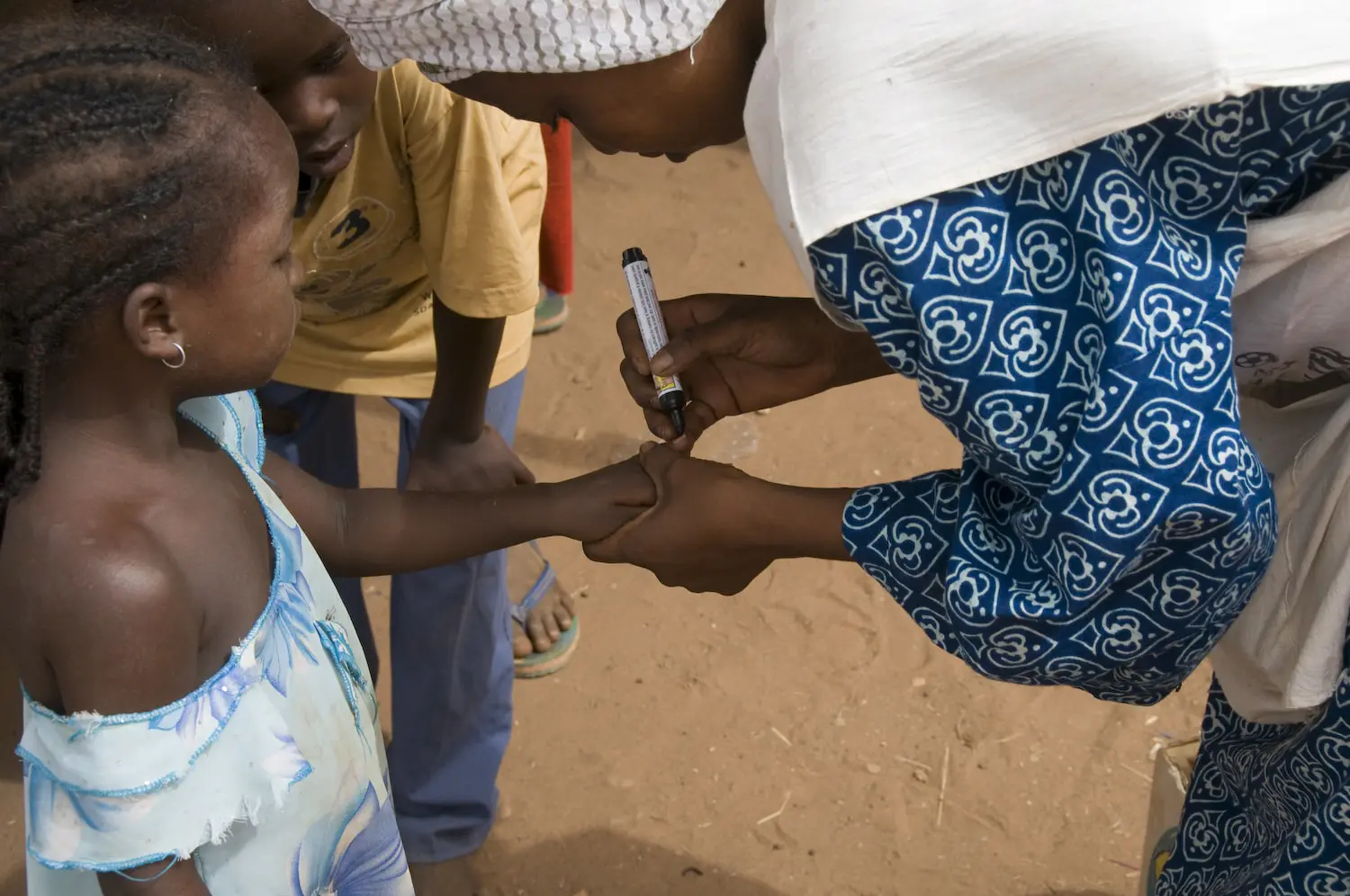
While multiple regions across Niger are battling the coronavirus, some are simultaneously experiencing a new polio epidemic. These two diseases manifest differently in their transmission; coronavirus spreads through respiratory droplets from sneezes or coughs, whereas polio typically transmits via contaminated water, soiled food (especially raw or undercooked), unwashed hands, or oral contact with an infected individual. However, they share similar initial clinical signs, including fever, headaches, and coughing.
“Niger successfully contained prior polio epidemics by implementing high-quality mass vaccination campaigns in 2019. Regrettably, this approach is currently unfeasible, as we have had to suspend mass polio vaccination efforts due to the global standards for social distancing and hand hygiene practices necessitated by the new coronavirus (COVID-19) pandemic,” explains Dr. Pascal Mkanda, the coordinator for the polio eradication program within the African Region.
Last December, this West African nation, alongside Kenya and Mozambique, declared the end of polio epidemics that had persisted for 24 months. Nevertheless, this recent transmission of vaccine-derived poliovirus, which has tragically paralyzed two children in the Niamey and Tillaberi regions, is distinct and unrelated to the outbreak that concluded last year.
the poliovirus threat persists
“The poliovirus will inevitably continue its circulation and potentially paralyze more children, given that timely, high-quality vaccination campaigns cannot currently be conducted,” stated Dr. Mkanda.
Niger has now joined the growing roster of African nations experiencing vaccine-derived poliovirus outbreaks, bringing the total to 15 countries. This list includes Angola, Bénin, Burkina Faso, Cameroon, the Central African Republic, Chad, Côte d’Ivoire, the Democratic Republic of Congo, Ethiopia, Ghana, Mali, Nigeria, Togo, and Zambia. In these affected areas, several factors, such as inadequate routine vaccination coverage, vaccine hesitancy, challenges in accessing certain populations, and suboptimal quality of vaccination campaigns, have collectively hampered efforts to immunize all children.
While region-wide mass immunization activities have been postponed indefinitely, the polio eradication program in the African Region is diligently working to uphold essential disease surveillance functions. Although there is no cure for polio, the disease is entirely preventable through a straightforward and effective vaccine. Consequently, concerted efforts are underway in Niger and numerous other countries across the continent to swiftly elevate children’s immunity levels and safeguard them from the debilitating paralysis caused by polio.


 Boureima Amadou