
 Boureima Amadou
From Promises to Reality: Niger’s $760 Million Leap Toward Accountability
The World Bank’s pledge of an additional $760 million for Niger represents more than just financial infusion—it marks a potential turning point in the country’s fight against systemic opacity. As Niamey prepares to receive a landmark investment aimed at reviving energy, agriculture, and water sectors, the critical question looms: Can Niger transform this opportunity into a catalyst for transparency, or will the funds vanish into the same governance gaps that have long plagued its institutions?
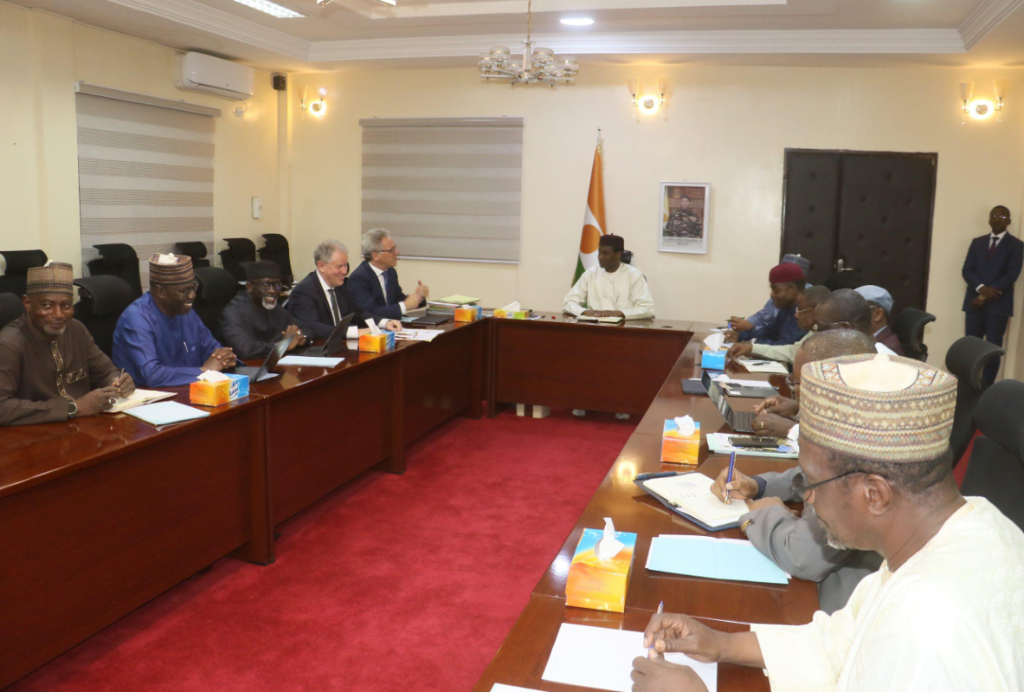
On November 12, 2026, during a high-profile announcement in Niamey, Ousmane Diagana, the World Bank’s Vice President for West and Central Africa, unveiled plans for this substantial financial package. The funds, part of a broader portfolio exceeding $4 billion, are earmarked for projects that could redefine Niger’s socio-economic landscape. Yet, the promise of progress hinges on one unanswered question: Does Niger possess the institutional backbone to ensure these resources are managed with integrity and accountability?
The Transparency Plunge: From Failing Grades to Crisis Point
The International Budget Partnership’s Open Budget Survey paints a stark picture of Niger’s deteriorating governance landscape. In 2023, the country scored a dismal 33 out of 100 in budget transparency—ranking 89th out of 125 nations assessed. By 2025, the score had plummeted to just 6/100, a catastrophic drop that places Niger among the worst performers globally.
Worse still, the survey highlights a near-total collapse in citizen participation and oversight mechanisms, with both scoring 0 out of 100. These aren’t just abstract metrics; they reflect a dangerous reality where citizens lack access to financial information, avenues for public input, and any meaningful means to scrutinize state expenditures. As Niger stands on the precipice of receiving billions in new funding, the very tools needed to track these resources are in shambles.
Shrinking Civic Space: The Silent Threat to Financial Integrity
Niger’s governance crisis extends beyond institutional failures—it is deeply entwined with a shrinking civic space. Independent media outlets face mounting restrictions, civil society organizations encounter bureaucratic roadblocks, and critical voices are increasingly silenced. Such an environment doesn’t just stifle dissent; it dismantles the mechanisms essential for holding public officials accountable.
Transparency in financial management is not a luxury—it is a necessity. Without a vibrant civil society, a free press, and active citizen oversight, the risk of misappropriation, overinvoicing, and corruption skyrockets. The World Bank’s funds, no matter how substantial, cannot thrive in an ecosystem where accountability is systematically eroded. The message is clear: a society that silences its watchdogs cannot expect to manage its resources wisely.
Who Will Keep Watch Over the $760 Million?
The responsibility to ensure fiscal accountability rests on multiple shoulders. Niger’s government must prioritize transparency by publishing detailed financial agreements, sectoral allocations, project timelines, and repayment terms—especially for loan-based components. Transparency must extend to tender processes, beneficiary enterprises, and real-time project execution reports. Independent audits, conducted regularly and without interference, are non-negotiable.
The World Bank, too, bears a shared duty. While it has stringent safeguards, the institution must ensure they are rigorously enforced. This includes anti-corruption measures, grievance mechanisms for affected communities, and proactive transparency in project oversight. The bank’s credibility in Niger will be measured not by the size of its pledges, but by the integrity of their implementation.
Sovereignty Beyond Rhetoric: The Need for Public Accountability
Niger’s leadership often champions economic sovereignty as a cornerstone of national policy. Yet true sovereignty demands more than rejecting foreign dependencies—it requires a commitment to domestic accountability. A government claiming autonomy must also demonstrate its willingness to subject financial decisions to public scrutiny.
The paradox is glaring: advocating for self-reliance while dismantling the very institutions that enable citizen oversight. The $760 million from the World Bank could transform Niger’s future—but only if it is managed under the watchful eyes of its people. Without transparency, without independent checks, and without a society empowered to demand answers, this financial lifeline risks becoming just another chapter in the cycle of failed promises.
The Moment of Truth: Can Niger Seize Its Opportunity?
Niger stands at a crossroads. The World Bank’s pledge offers a historic chance to break from decades of opacity and mismanagement. But the path forward is narrow. Success depends not on the volume of funds, but on the strength of the systems built to oversee them. Can Niger rebuild its transparency framework in time? Can it restore civic freedoms as a foundation for accountability?
The answer will determine whether these 760 million dollars become a catalyst for progress—or a footnote in the annals of wasted potential.


 Mariama Hamani




