
 Mariama Hamani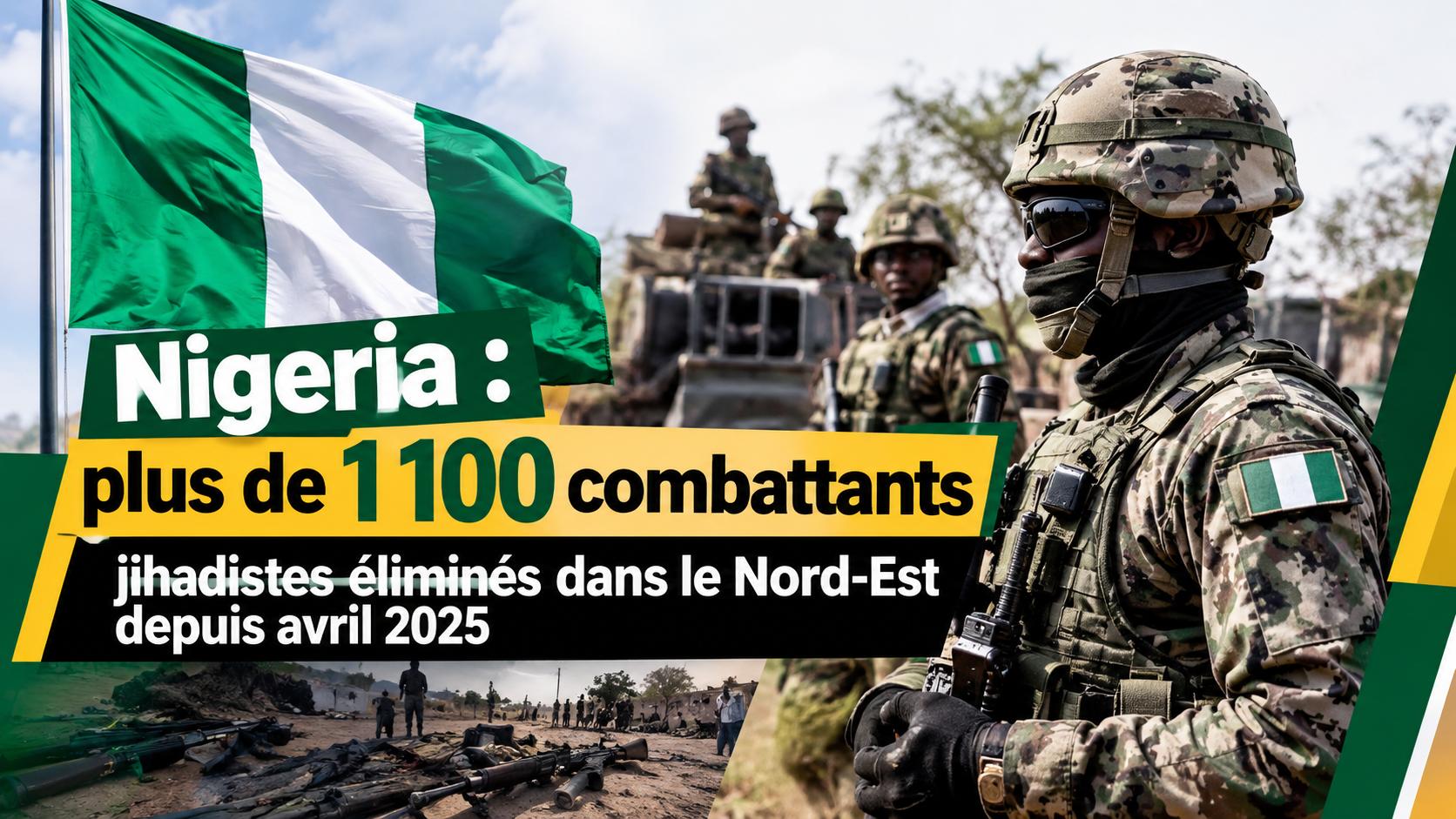
Military Commanders Reveal Staggering Casualties Among Jihadist Groups
In a landmark briefing held in Maiduguri, Nigeria’s outgoing commander of the Multinational Joint Task Force HADIN KAI, Major General Abdulsalam Abubakar, disclosed a devastating blow dealt to Boko Haram and ISWAP factions operating across the Lake Chad basin. The coordinated military surge, launched in April 2025, has resulted in the neutralization of more than 1,100 insurgents, signaling a potential turning point in the decade-long insurgency that has ravaged the region’s stability and displaced over two million people.
Human And Logistical Losses Cripple Jihadist Capabilities
The operation’s impact extends beyond mere combat losses. Military intelligence and tactical strikes have dismantled critical supply chains, disrupted command structures, and crippled the insurgents’ operational capacity. Among the recovered assets were 475 firearms—ranging from assault rifles to heavy weaponry—alongside thousands of rounds of ammunition. Additionally, explosive ordnance disposal teams successfully dismantled 295 improvised explosive devices (IEDs), which have long plagued military mobility and endangered civilian life in rural communities.
The offensive strategy didn’t stop at neutralizing combatants. Intelligence-led raids targeted the underground networks responsible for financing, arming, and sustaining the insurgents. A total of 758 logistics operatives, financiers, and sympathizers were detained, effectively severing the lifelines that sustained Boko Haram and ISWAP in remote hideouts across the Sambisa Forest, Mandara Mountains, and Lake Chad’s peripheries.
Surge in Surrenders Signals Growing Divisions Within Insurgent Ranks
In a remarkable shift, the sustained military pressure has triggered a wave of defections and voluntary disarmaments. Since April 2025, 969 individuals—including active fighters and their families—have surrendered or escaped from insurgent-controlled areas. Many have been enrolled in government-led Disarmament, Demobilization, and Reintegration (DDR) programs, aimed at transitioning former combatants back into civilian life while addressing long-term security reconstruction.
Humanitarian Breakthrough: Hundreds of Civilians Rescued
Amid the tactical victories, the military’s humanitarian interventions have yielded tangible relief for those held captive by insurgent groups. At least 638 civilians—predominantly women and children abducted during raids on remote villages—have been rescued from training camps and hidden enclosures. These survivors undergo medical and psychological assessments before being reunified with local authorities and aid organizations, paving the way for their eventual social reintegration.
Unfinished War: The Road Ahead for Nigeria’s Security Landscape
While these developments mark a significant stride forward, the threat posed by ISWAP and splinter factions of Boko Haram remains persistent. Having claimed over 40,000 lives since 2009, the insurgency has reshaped the sociopolitical fabric of the Lake Chad region, leaving deep scars on communities and economies. The leadership transition within HADIN KAI now introduces a critical phase: consolidating military gains, securing liberated zones, and fostering conditions conducive to the return of displaced populations.
The success or failure of these efforts will determine whether Nigeria and its regional partners can finally turn the page on a conflict that has defined an entire generation. As the new command takes the helm, all eyes are on the strategy they will deploy to prevent insurgent resurgence while rebuilding trust in state authority across the beleaguered northeast.
The coming months will reveal whether this decisive chapter in Nigeria’s counter-insurgency campaign represents a mere tactical advantage or the harbinger of lasting peace.


 Boureima Amadou





