Boureima Amadou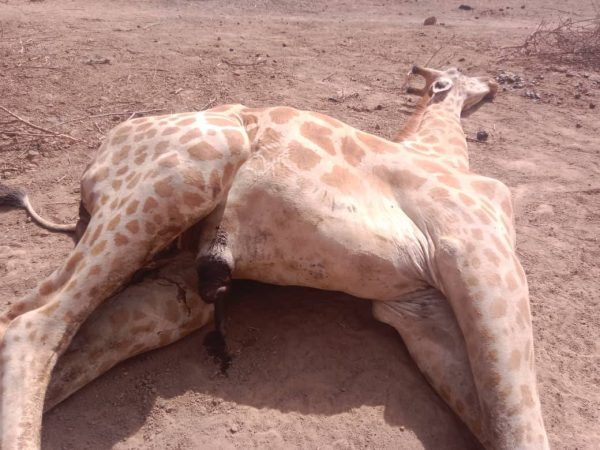
The first giraffe born in the Gadabedji Biosphere Reserve, named Abagana, passed away on May 16, 2026, from a sudden and untreated illness. The loss of this young giraffe has exposed critical gaps in veterinary care, putting one of Niger’s most precious ecological and tourism treasures at risk.
Abagana was more than just a giraffe—he symbolized hope for the region’s conservation efforts and the revival of ecotourism. As the first of his kind born locally, his presence attracted visitors and wildlife enthusiasts, making him an iconic figure in the reserve. Now, his absence leaves a void that echoes through the landscape.
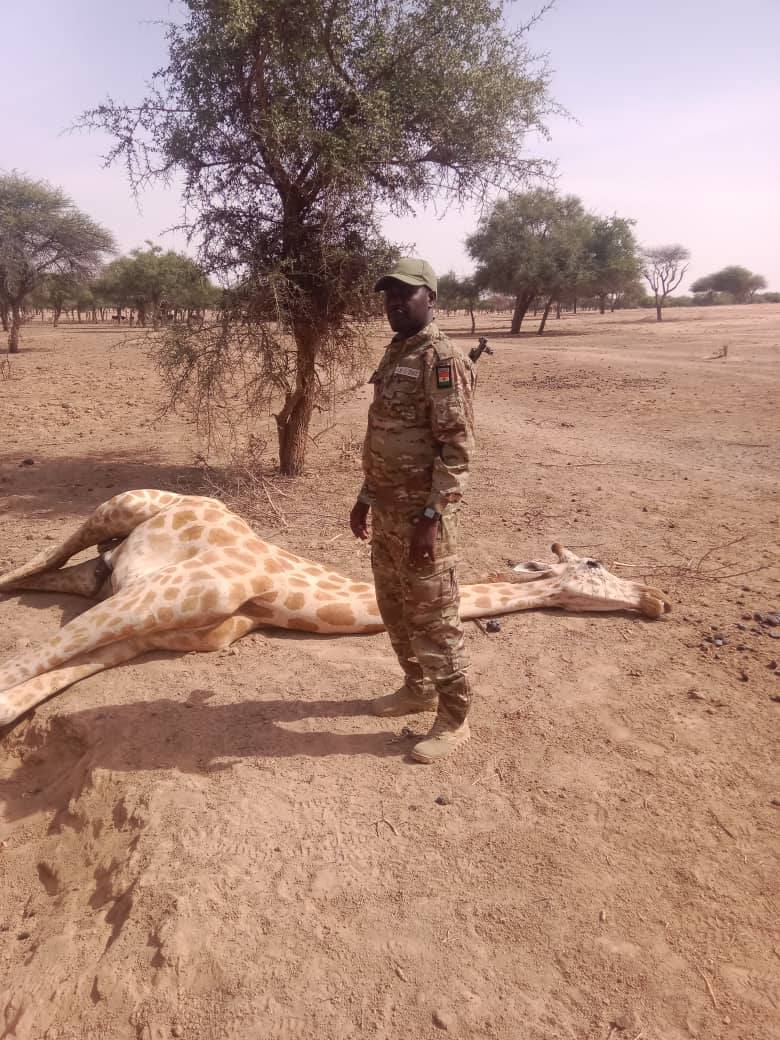
Silent suffering: the final hours of Abagana
The details of Abagana’s last moments are heartbreaking. The young giraffe suffered from a severe prolapse, a condition that left him unable to retract his penis, leading to extreme pain and an inability to urinate. Without access to proper veterinary care, his agony stretched on until his body gave out.
This tragedy is not an isolated incident. Conservation teams in Gadabedji have watched helplessly as another giraffe—a female—died recently during a difficult birth, also deprived of medical intervention that could have saved her. The desperation among wildlife rangers is palpable; their hands are tied in the face of recurring losses.
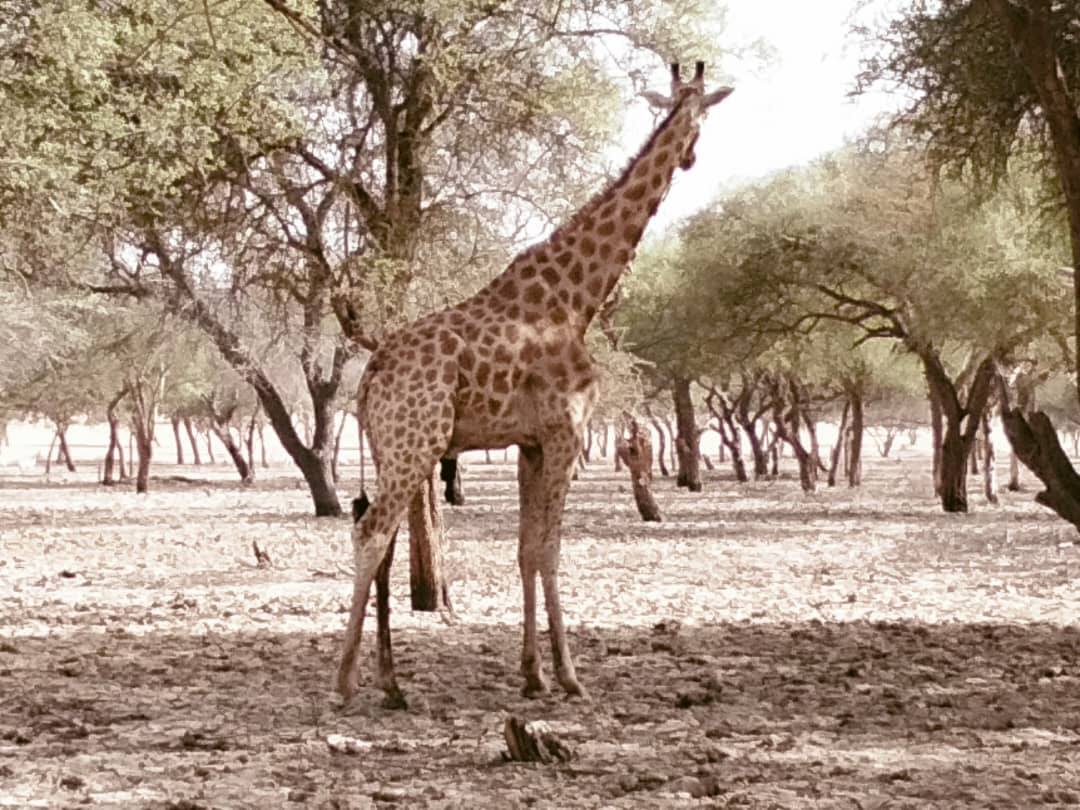
Urgent call for action: bridging the veterinary gap
The deaths of Abagana and other giraffes in the reserve are more than ecological setbacks—they represent a looming economic crisis for Niger’s tourism sector. Each giraffe is a magnet for visitors, and their loss diminishes the country’s appeal as a wildlife destination.
Frustration is growing among conservationists and local stakeholders, who are now demanding that authorities address a glaring issue: the lack of trained veterinary personnel and emergency care for wildlife. The need for immediate action has never been clearer.
“We stand by as our animals suffer and die, powerless to help,” laments a seasoned conservationist closely involved in the Gadabedji project.
The message is clear: without swift intervention—including training for rangers in wildlife first aid and anesthesia techniques—the future of Gadabedji’s giraffes, and the tourism they support, hangs in the balance. The clock is ticking, and another tragedy could strike at any moment.